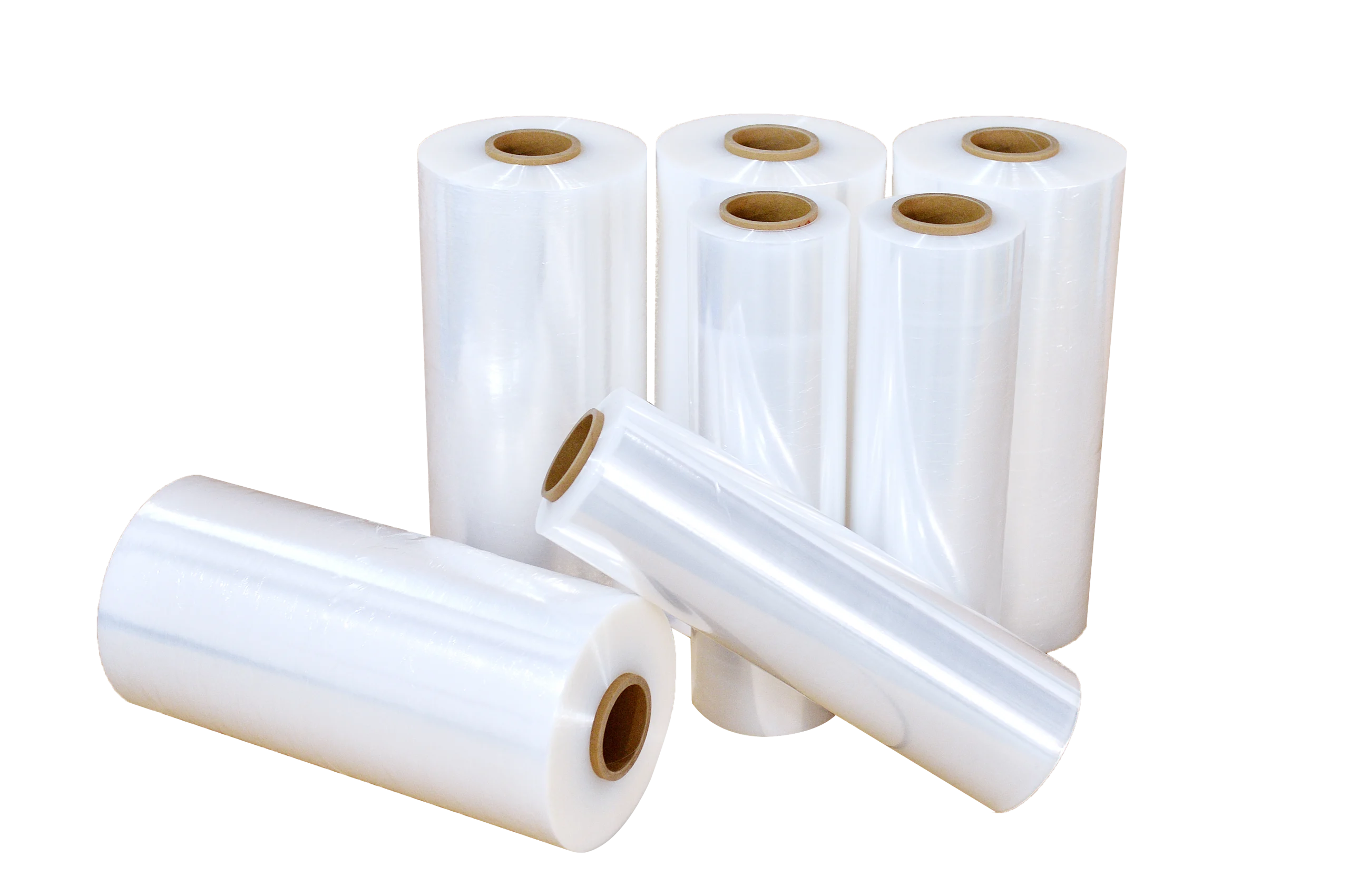
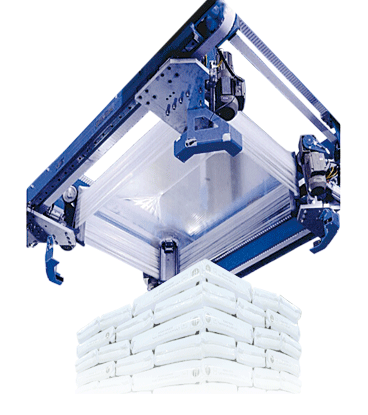
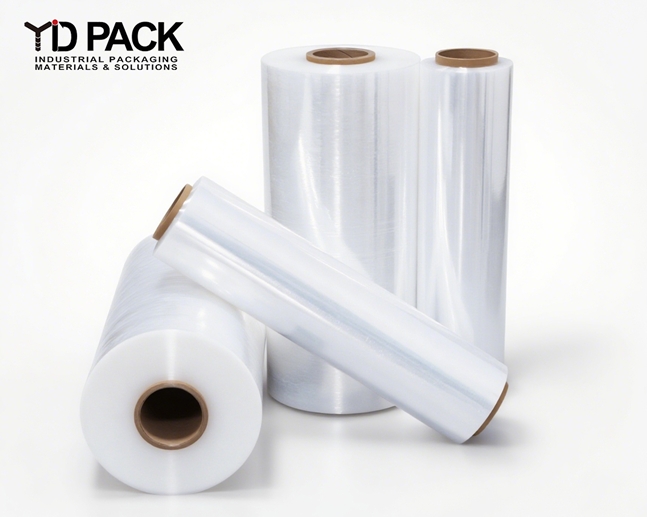
ストレッチフードパレット梱包 is a widely adopted method within the logistics and transportation industries, designed to protect goods from damage and adverse external environmental factors. When undertaking pallet packaging, selecting the appropriate film thickness is of paramount importance. The thickness of the film not only directly impacts the strength and stability of the packaging but also plays a crucial role in cost control and environmental sustainability. For newcomers to the field, understanding the advantages and disadvantages of various film thicknesses—as well as their performance in practical applications—will help optimize packaging strategies and ensure the safe and efficient transport of goods. This article explores how to select the ideal film thickness to meet your specific packaging requirements.
What Film Thickness Is Sufficiently Stable for Light-Load Pallets?
For light-load pallets (<500kg)—such as those carrying bottled beverages or cardboard boxes—a film thickness of 50–100μm is recommended. This range offers high elastic recovery and a tight wrap, effectively preventing slippage and tipping. Using film that is too thick results in a 20% waste of material costs, while film that is too thin is prone to tearing. The film’s elongation rate should exceed 300%; this option is the preferred choice for indoor, short-distance transport, offering a 30% increase in packaging speed.
How Should Film Thickness Be Increased for Heavy-Load Cargo?
For heavy loads (>1 ton)—such as construction materials or chemical drums—a thickness of 150–300μm is appropriate. This increases puncture resistance by 40% and ensures a secure fold-under at the base; for tall pallets (>1.5 meters), a thickness of 250μm is prioritized. For cargo with sharp edges or irregular shapes, it is advisable to include a 30% thickness margin to ensure zero cargo spillage during long-distance transport, potentially saving 15% annually on damage claims.
Does Ambient Temperature Affect Film Thickness Selection?
For outdoor or humid environments, select a 200μm+ UV-resistant film; this offers superior weather resistance and anti-aging properties, while reducing carbon emissions by 60%. For cold chain applications (<-5°C), increase the thickness to 250μm to resist condensation formation; for high-temperature environments (>35°C), use a high-elasticity 150μm film to prevent softening. For standard indoor use, a thickness of 120–200μm strikes the optimal balance between cost-effectiveness and performance; during winter months, preheating the film for 5 minutes yields the best results.
How Can Film Thickness Be Precisely Matched for Irregularly Shaped Pallets?
For cylindrical or irregularly shaped pallets, select a medium-to-high thickness range (100–200μm); this range is best suited for use with multi-gripper packaging machinery. Resilience Test: A successful result is defined by a tight, wrinkle-free wrap. The system utilizes a narrow-width film on a wide pallet, resulting in a 25% material savings. Real-World Application: An e-commerce warehouse switched to a standard 17μm film; wrapping 500 pallets daily led to a 10% reduction in packaging costs.
Quick Selection Guide:
|
Load Capacity/kg
|
Thickness/μm
|
Scenario
|
Elongation Rate
|
|
<500
|
50-100
|
Food
|
>300%
|
|
500-1000
|
100-150
|
E-commerce
|
>250%
|
|
>1000
|
150-300
|
Heavy Industry
|
>200%
|
When selecting the appropriate film thickness for stretch hood films, it is essential to comprehensively consider factors such as cargo type, transport conditions, and cost-effectiveness. The right film thickness ensures the safety and integrity of goods during transit while preventing unnecessary resource waste. Through scientific assessment and prudent selection, you can not only enhance packaging performance but also reduce your company’s operational costs. If you require further guidance or professional advice, please feel free to consult with our packaging experts to obtain the optimal packaging solution.