With increasing environmental awareness and advancements in packaging technology, packaging films have gained widespread attention due to their lightweight, high plasticity, and relatively low cost. Their application in food, electronics, and daily necessities is becoming increasingly common. However, traditional packaging materials such as cardboard boxes, glass bottles, and metal cans still hold an important position due to their sturdiness, recyclability, and strong protective properties. Therefore, whether packaging films can truly and completely replace traditional packaging materials while meeting functional requirements has become a hot topic of discussion in industry and academia.
Advantages and Potential of Packaging Films
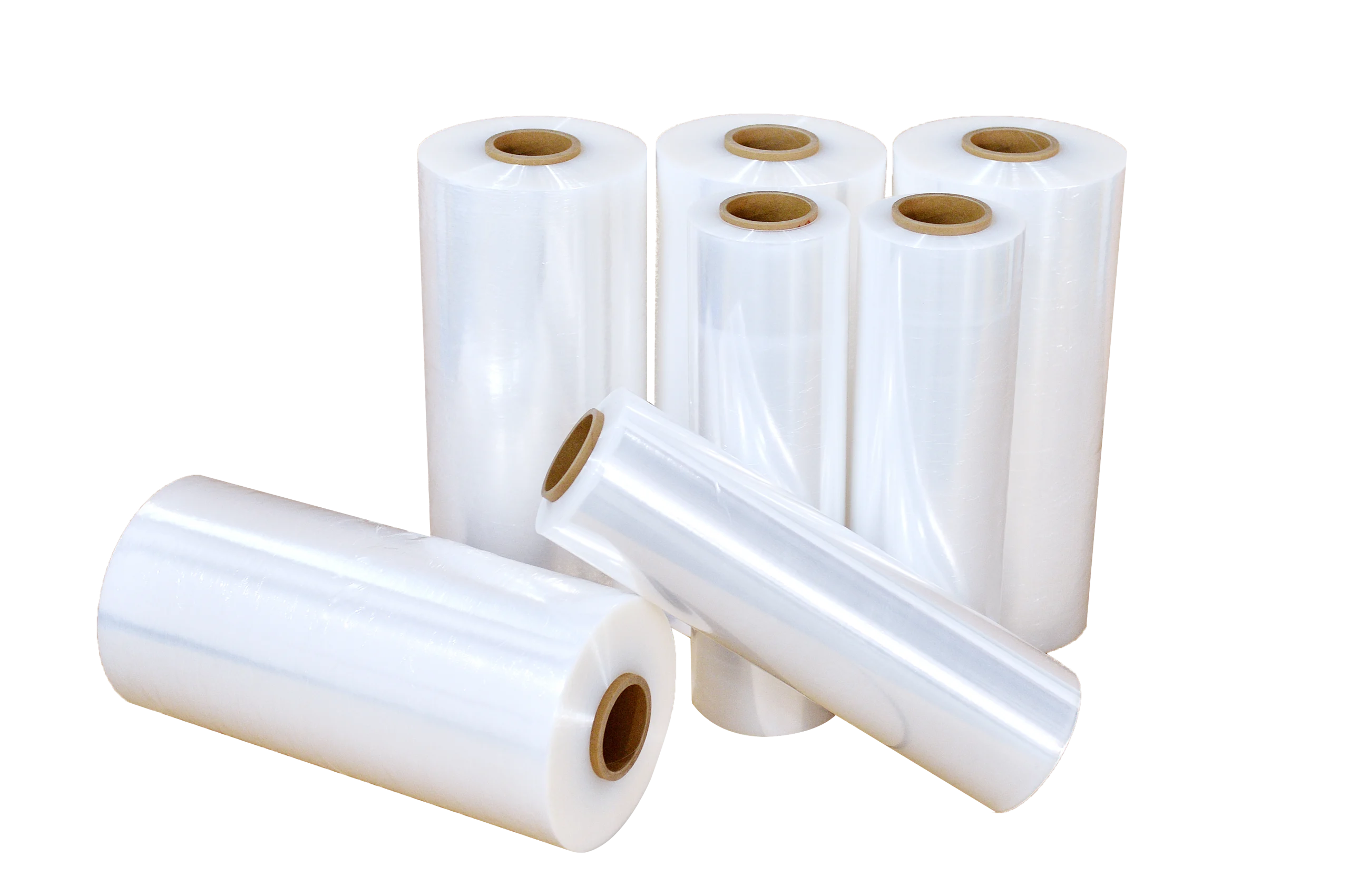
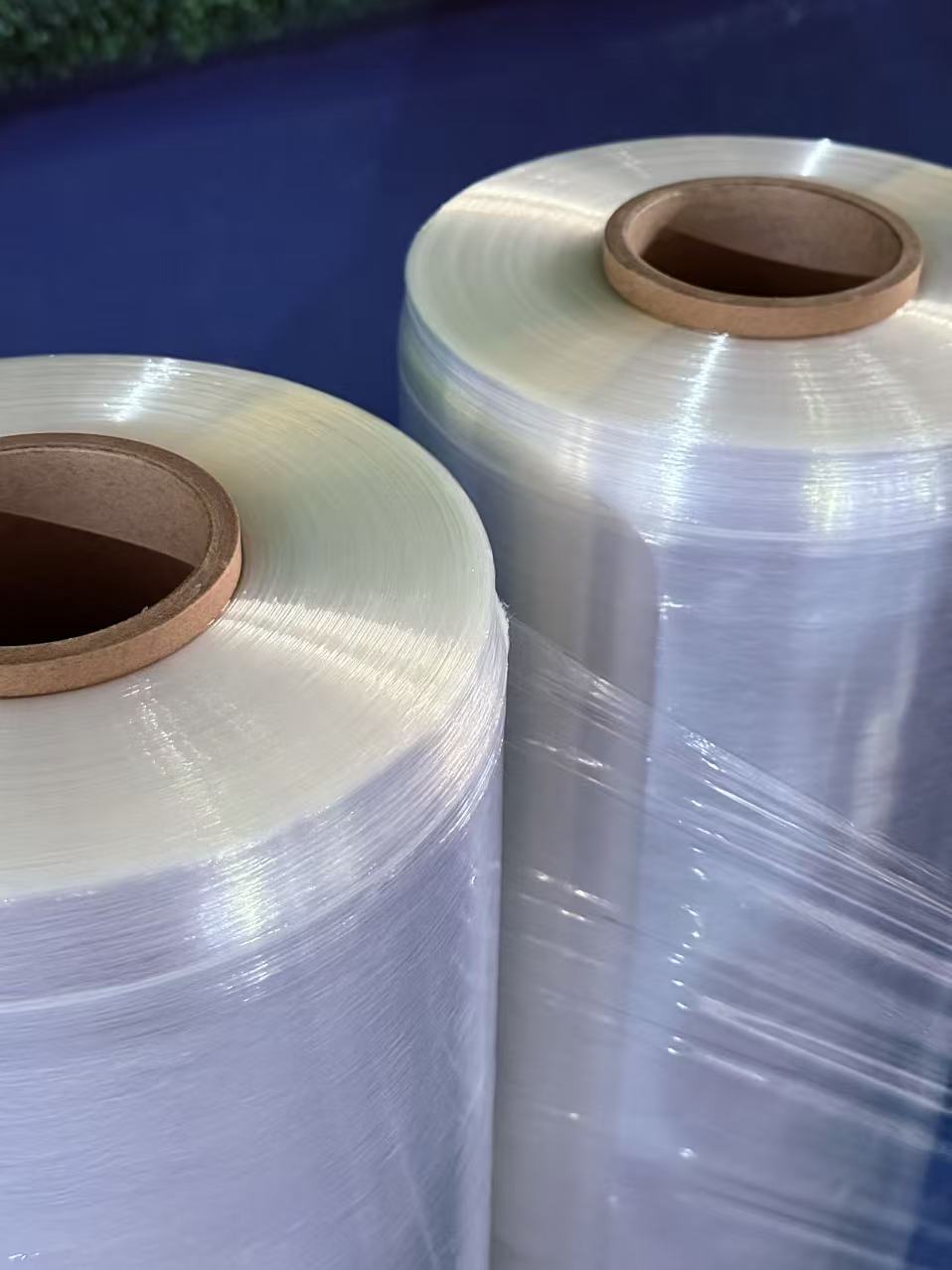
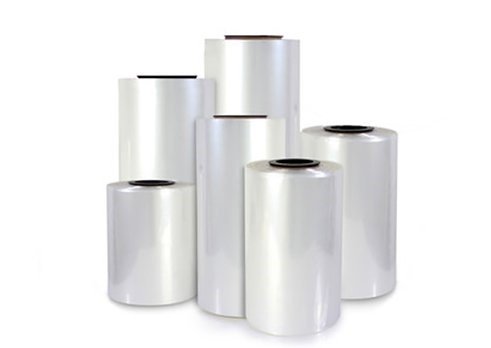
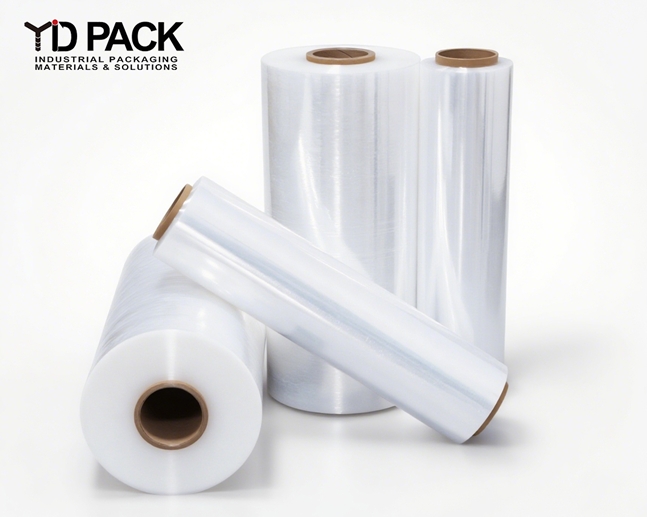
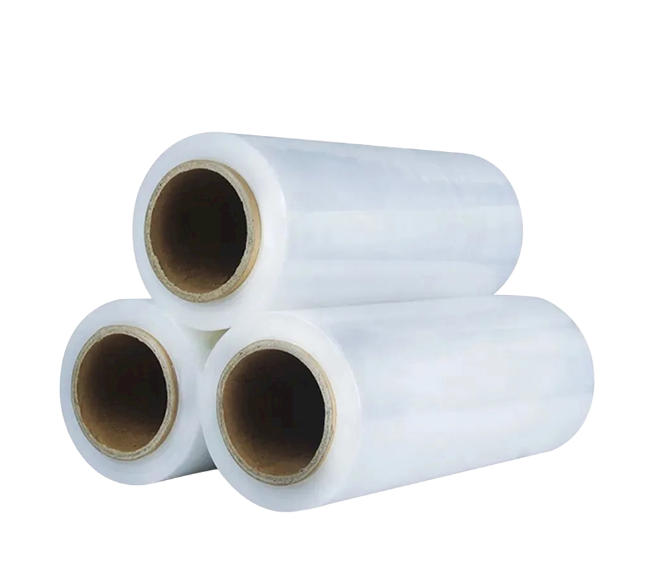
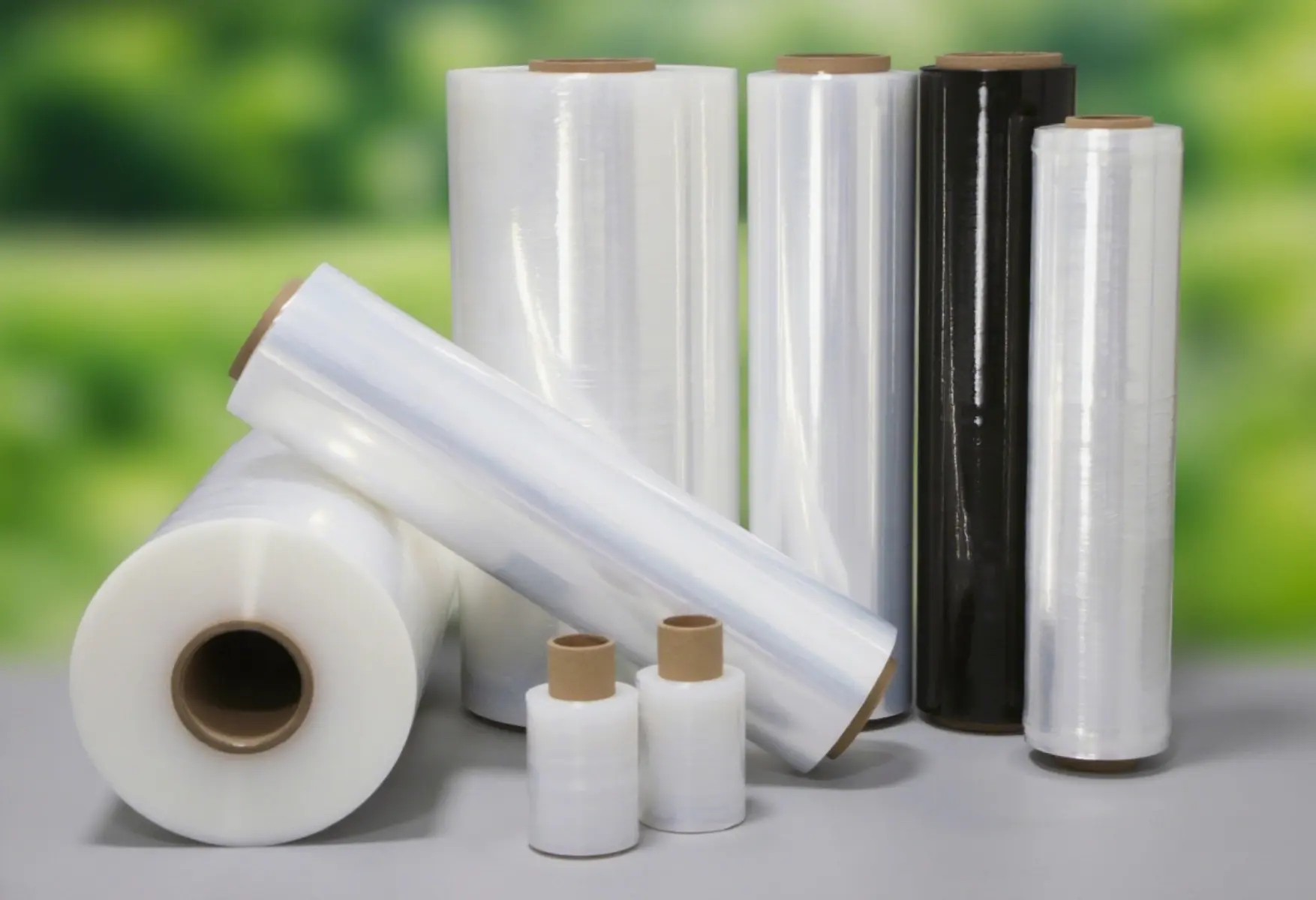
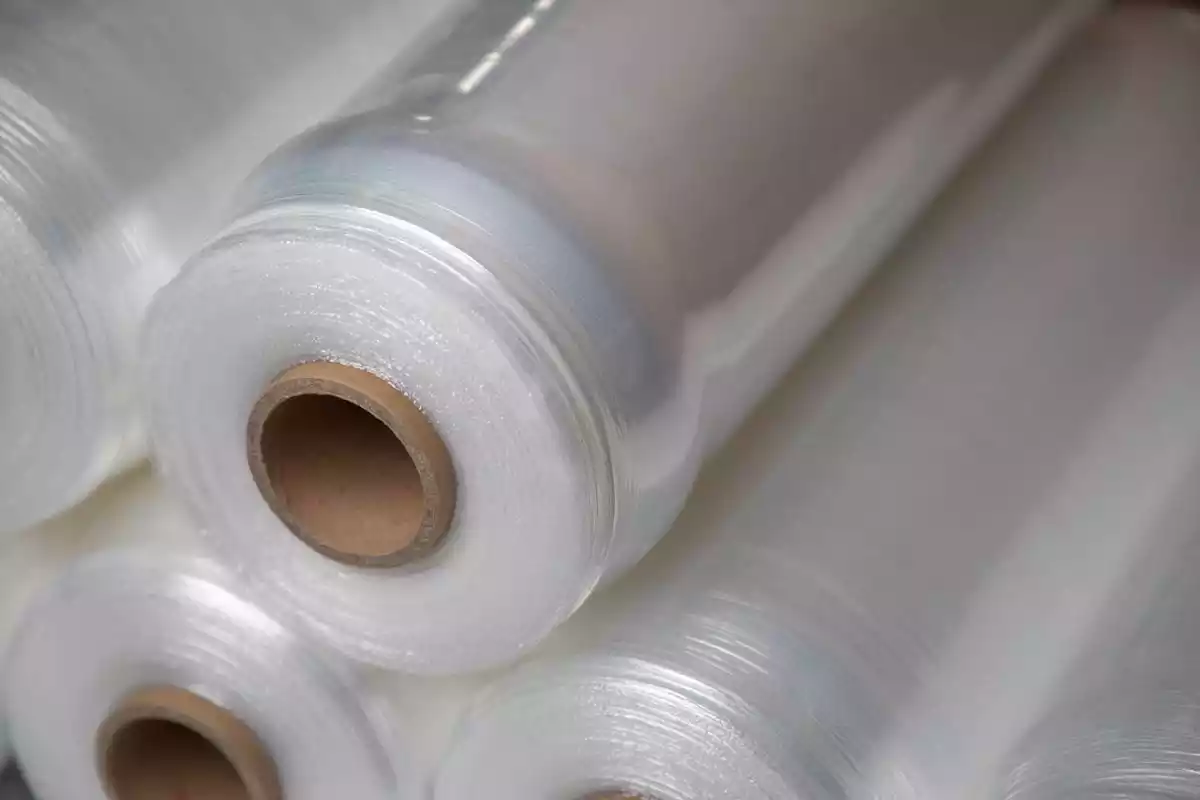
Packaging films are a form of packaging made from thin layers of plastic material, offering many significant advantages. First, their lightweight nature effectively reduces transportation costs and storage space, positively impacting logistics cost savings. Second, the excellent plasticity of film materials allows for the design of various shapes and sizes to meet diverse needs. Furthermore, many packaging films can undergo deep surface treatment, giving them excellent moisture-proof, oil-proof, and waterproof properties, greatly facilitating packaging in industries such as food and pharmaceuticals.
More importantly, with the development of biodegradable technology, some new environmentally friendly packaging films have begun to emerge. These films not only degrade rapidly after use, reducing the burden on the environment, but also rival traditional packaging materials, and even demonstrate superior performance in some applications.
Limitations and Challenges of Traditional Packaging Materials
Compared to flexible packaging films, traditional packaging materials, such as cartons, glass bottles, and metal cans, while having a long history of application and performing excellently in many fields, also have significant limitations. Paper packaging materials are susceptible to moisture, have low strength, and offer poor protection, which is particularly inadequate for packaging liquids or perishable goods. While glass bottles and metal cans offer good sealing, they are heavy, resulting in higher transportation and storage costs. Furthermore, traditional packaging materials typically require higher resource consumption and production costs, and often require longer processing and recycling times after disposal.
However, packaging films have strong potential in solving these problems. The adjustability and lightweight nature of films allow them to reduce production and transportation costs without sacrificing packaging performance.
Application Prospects of Packaging Films in Various Fields
Packaging films have a wide range of applications, covering multiple industries such as food, pharmaceuticals, cosmetics, and electronics. In the food industry, packaging films can effectively extend the shelf life of food, especially for perishable goods such as fruits, vegetables, and meats. Their air permeability, barrier properties, and moisture resistance can effectively prevent oxidation, bacterial growth, and moisture loss.
In the pharmaceutical field, packaging films can be used for single-dose packaging of medicines, ensuring the safety and efficacy of the drugs. Furthermore, the application of transparent packaging films allows consumers to easily inspect product quality, improving the consumer purchasing experience. For electronic products, the antistatic properties of packaging films make them an indispensable part of electronic product transportation.
However, despite the enormous application potential of packaging films in multiple fields, they also face some challenges. For example, most packaging films are still mainly produced using petroleum-based materials, and their environmental friendliness still needs improvement. In addition, the compressive strength and hardness of packaging films are relatively low, which may prevent them from completely replacing traditional packaging materials in some special packaging applications.
플라스틱 포장 필름 offer significant advantages in terms of lightweighting, flexibility, and production costs, but limitations remain in strength, moisture resistance, impact resistance, and recyclability. Completely replacing traditional packaging materials requires technological breakthroughs and supportive environmental policies. In the future, the packaging industry is more likely to see a trend of “complementary coexistence between films and traditional materials,” achieving a balance between environmental protection, economy, and functionality through innovative design and the application of composite materials, thereby promoting the development of sustainable packaging.