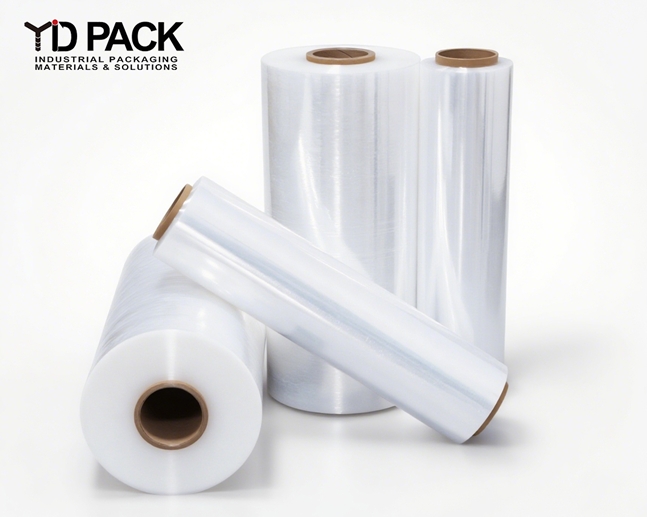
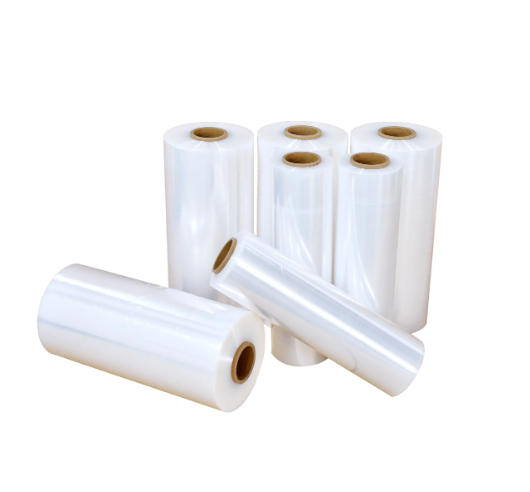
In modern logistics and warehousing, 스트레치 필름 plays an irreplaceable role as a crucial material for cargo packaging and pallet securing. However, in actual use, stretch film frequently tears or sticks, affecting packaging efficiency and potentially leading to cargo damage and transportation safety hazards. These problems are usually closely related to the choice of film material, usage methods, and storage conditions. Therefore, understanding how to correctly select stretch film, master reasonable handling techniques, and scientifically store and handle stretch film is of great significance for enterprises to reduce costs, improve packaging efficiency, and ensure cargo safety.
1. How to Choose Stretch Film Material?
Choosing high-quality 스트레치 랩 필름 material is the first step in preventing tearing and sticking problems. Different types of stretch film have different properties; the choice should be based on the needs of the packaged goods.
Stretch Film Thickness and Strength: Thicker stretch films generally have stronger tear resistance and are therefore suitable for heavy goods or long-distance transportation. While lightweight, thinner films may be more prone to tearing under high stretching conditions. For general lightweight packaging, choosing a moderate film thickness is more appropriate.
Material Composition: Common materials for stretch film include polyethylene (PE) and polypropylene (PP). Polyethylene film has good tensile strength and tear resistance, making it the most commonly used type of stretch film. To prevent adhesion problems, choosing products with anti-sticking treatments or non-adhesive films is particularly important, especially in high-temperature or high-humidity environments.
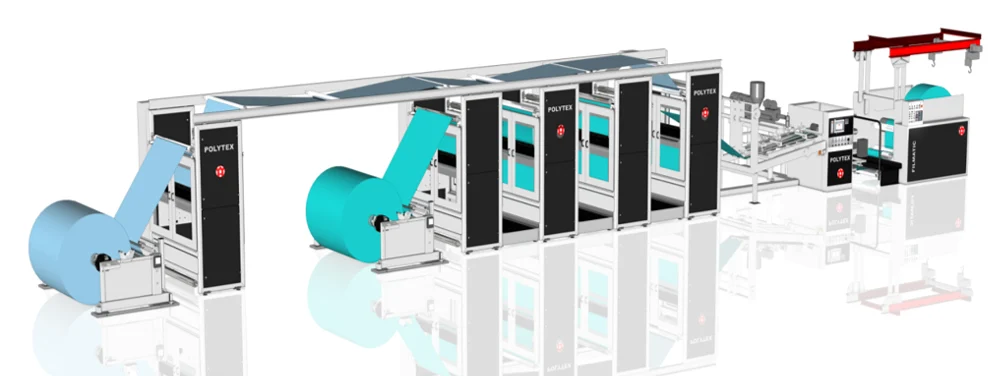
Film Types: Blow-molded vs. Cast-cast: Blow-molded stretch film has better extensibility and is suitable for withstanding greater tensile forces, often used for heavy goods. Cast-cast stretch film is more suitable for high-speed packaging and generally has better tear resistance.
2. Proper Handling Techniques for Stretch Film
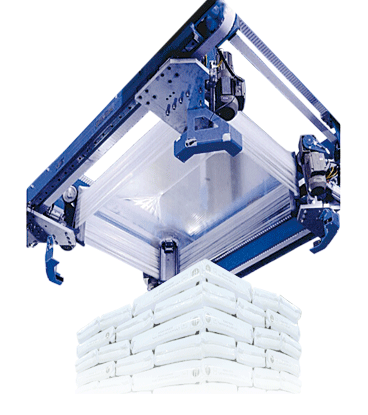
Correct usage has a crucial impact on the effectiveness of stretch film, especially during pallet wrapping. Here are some handling techniques to prevent tearing or adhesion of stretch film:
Appropriate Tension: When wrapping pallets, both excessive and insufficient tension on the stretch film can cause problems. Overstretching makes the film brittle and more prone to tearing, while insufficient tension fails to adequately secure the goods, potentially leading to loose packaging. Generally, the stretch ratio of the stretch film should be controlled between 200% and 300%.
Proper Winding Method: Pay attention to the coverage of each layer of film during winding. Ensure each layer covers evenly and is tightly wound, avoiding air bubbles or loose areas. For tall or irregularly shaped items, it is especially important to increase the number of winding layers to ensure a secure hold.
Winding Speed: Winding too fast will cause excessive tension on the film, leading to tearing. Winding too slowly will waste material and affect production efficiency. Adjusting the speed of the winding equipment to ensure a uniform and stable stretching effect helps reduce adhesion and tearing.
3. How to Store and Handle Stretch Film?
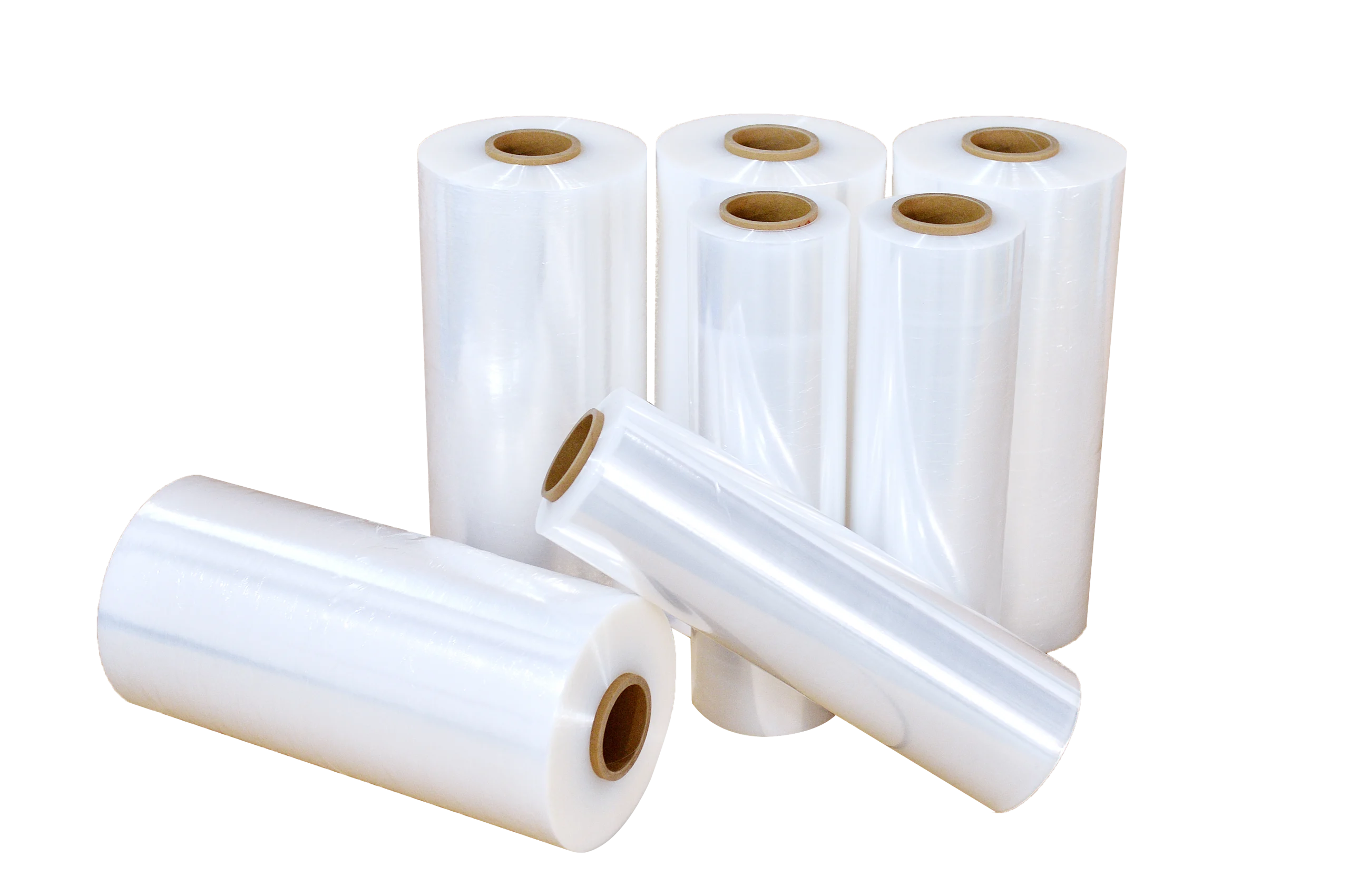
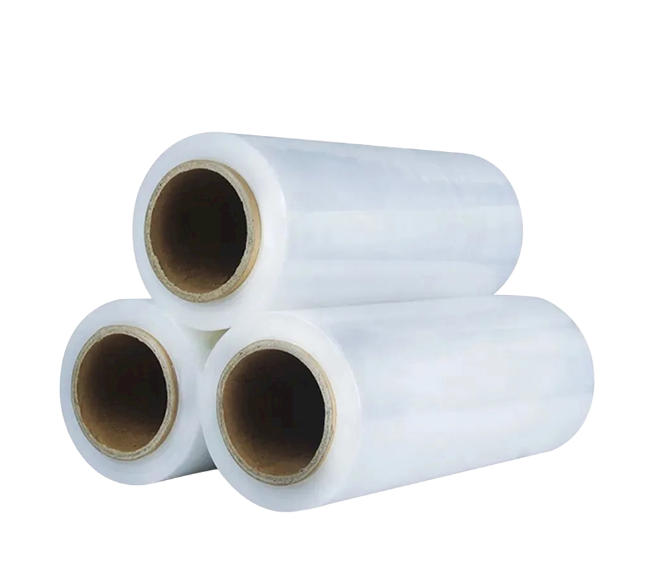
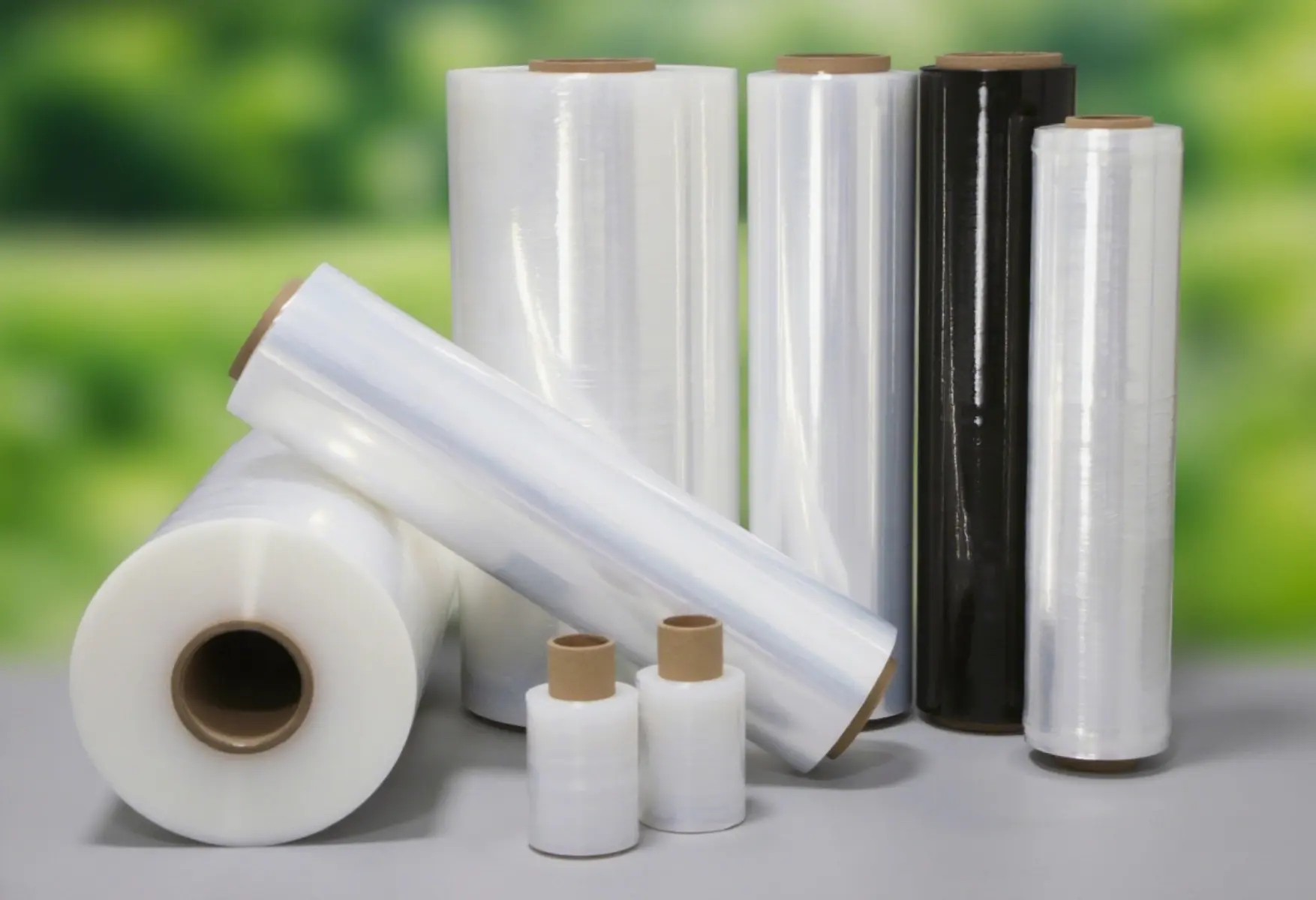
The storage and handling of stretch film roll directly affects its performance. Proper storage and handling methods can effectively prevent film damage, tearing, and adhesion problems.
Avoid High Temperatures and Humid Environments: Stretch film should be stored in a dry, cool place, avoiding direct sunlight and high temperatures. High temperatures and ultraviolet radiation will cause the film material to age, reducing its tensile strength and even causing adhesion on the film surface. Maintain moderate humidity; excessive humidity can also cause adhesion on the film surface.
Proper Stacking Method: When storing stretch film, avoid placing heavy objects directly on the film rolls. Excessive pressure can deform the film surface, reducing its quality. During handling, avoid violent collisions to prevent damage to the stretch film surface.
Pay Attention to Packaging Labels and Dates: Stretch film usually has a production date and shelf life. Regularly check inventory and use only newly produced film to avoid prolonged storage that could degrade material performance.
To effectively prevent tearing or sticking of stretch film during use, companies need to focus on three aspects: First, select stretch film of suitable material and thickness to ensure good tensile and tear resistance; second, master correct handling techniques, including controlling stretching force, number of wrapping layers, and wrapping speed; and finally, pay attention to the storage and handling of stretch film, avoiding adverse environments such as high temperatures, humidity, and compression. These measures can significantly improve packaging efficiency, ensure cargo safety, and reduce waste. Huangshan Yuandian Company has accumulated rich experience in stretch film materials and application solutions and can provide professional guidance and support to companies.