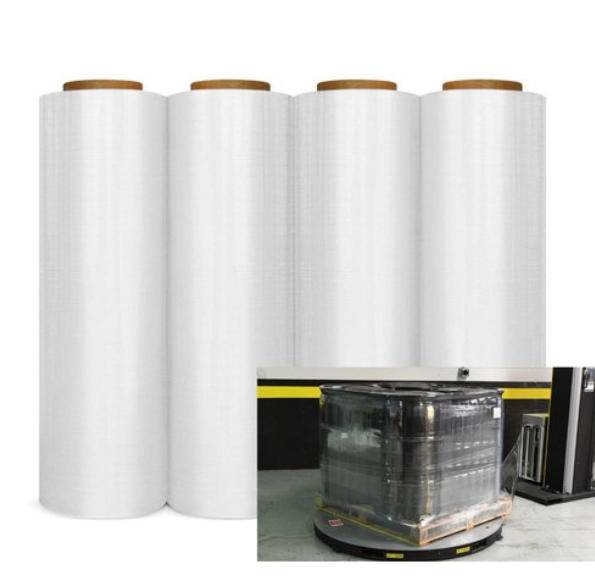
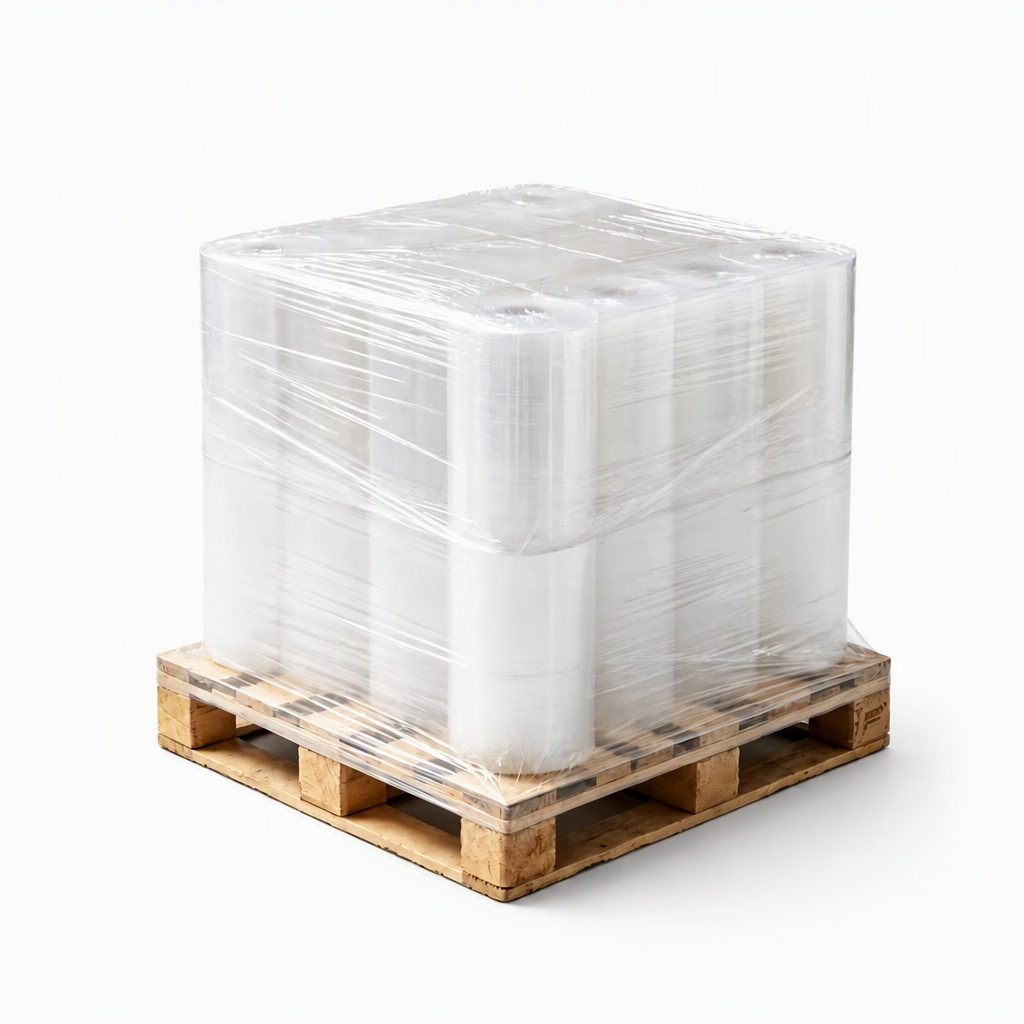
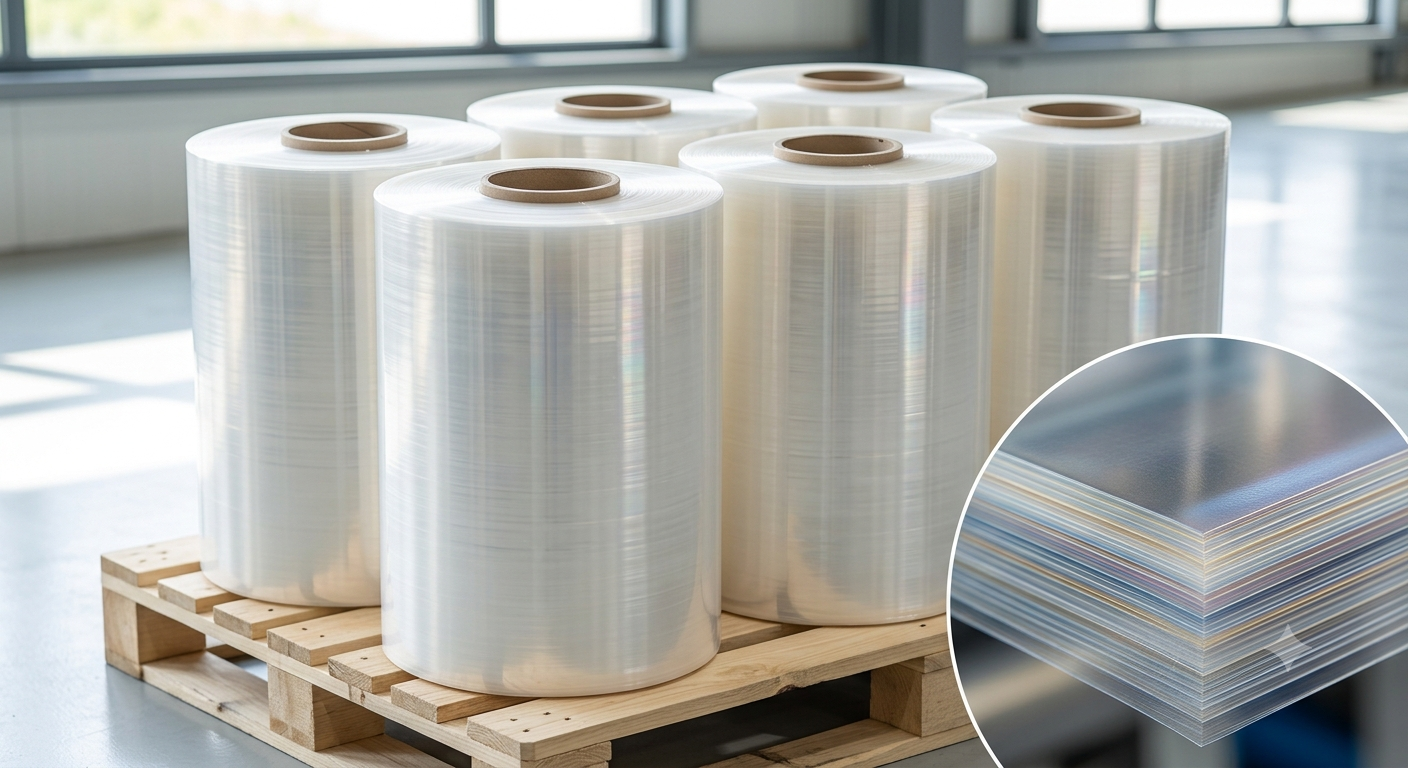
Choosing between nano stretch film and pre-stretched film depends on your packaging requirements, load characteristics, and operating costs. By comparing film performance, material consumption, wrapping efficiency, and load stability, buyers can identify the most suitable solution for their applications. Working with an experienced stretch film supplier also helps ensure consistent quality, reliable supply, and customized specifications. Before placing a bulk order, request samples and conduct packaging tests to verify performance under real working conditions and achieve a better balance between cost and efficiency.
What Are the Differences Between the Two?
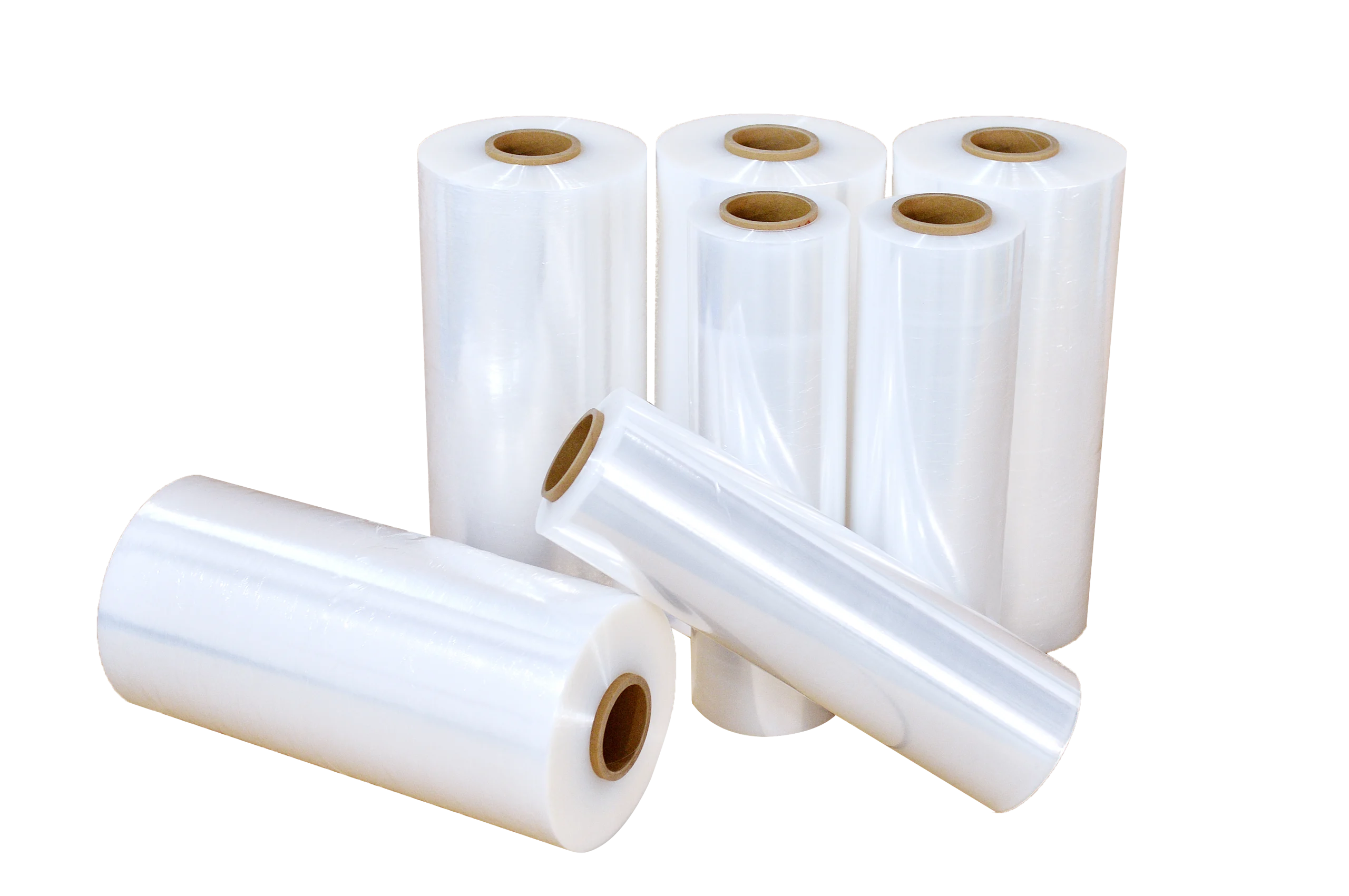
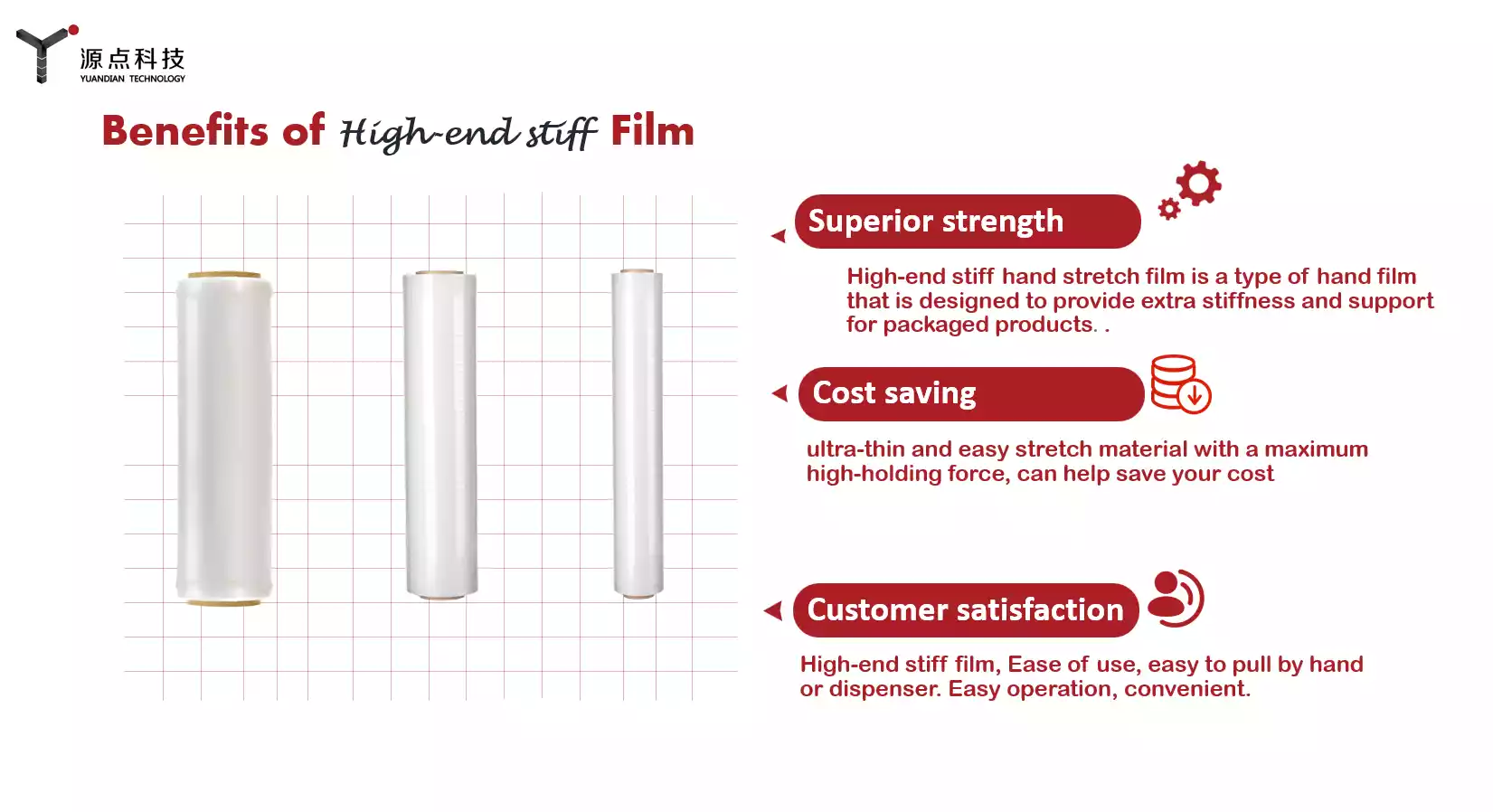
Nano stretch film typically emphasizes a multi-layered structural design, aiming to provide high packaging strength and superior material efficiency—even at a reduced thickness. Pre-stretched film, by contrast, undergoes mechanical stretching during the manufacturing process before being wound onto rolls; it requires less tension during application, making it particularly convenient for manual wrapping.
It is important to note that these categories are not mutually exclusive: "nano" refers to structural design, while "pre-stretched" refers to a specific processing treatment. Therefore, you cannot determine which is "better" based solely on the name; you must examine the specific technical specifications and application requirements.
Manual vs. Machine Wrapping: How to Choose?
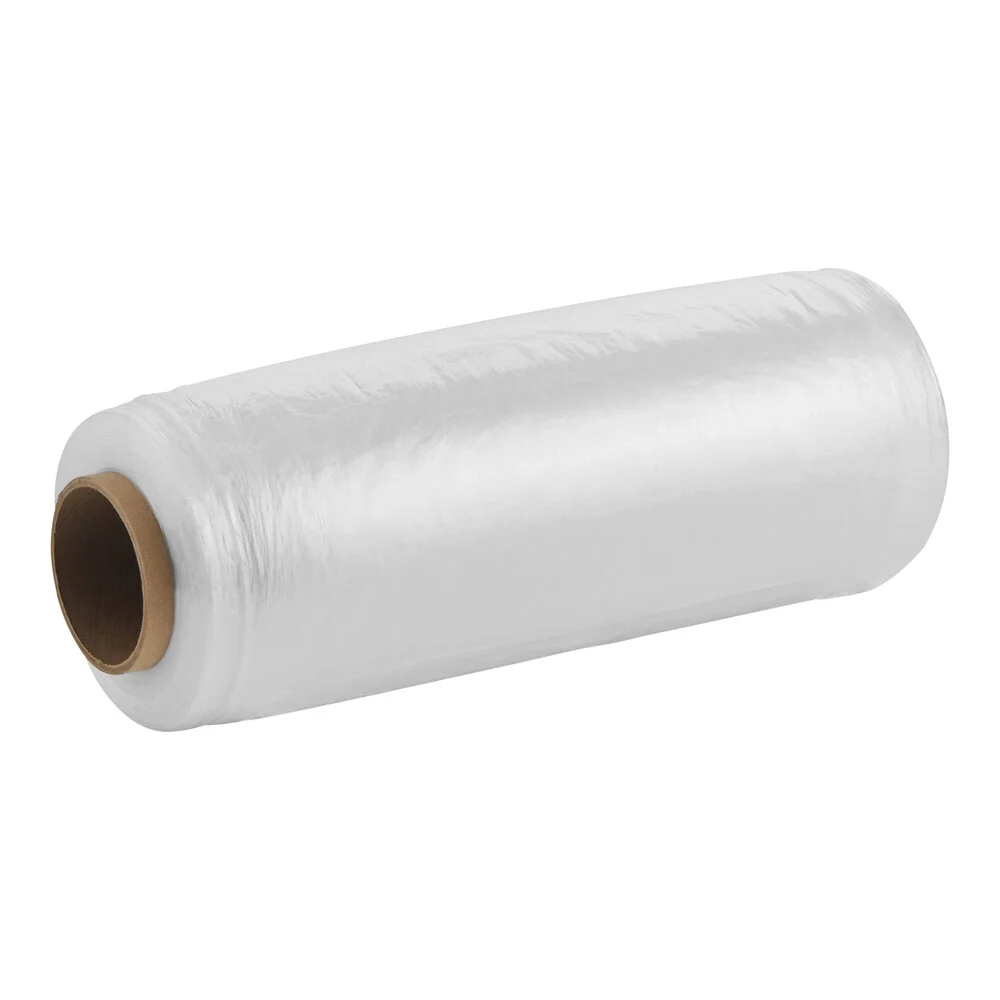
For manual wrapping, focus on factors such as the tension required for application, the weight of the film roll, and the consistency of the wrap. If operators frequently wrap pallets by hand, pre-stretched film is an excellent option to reduce the physical strain of manual stretching.
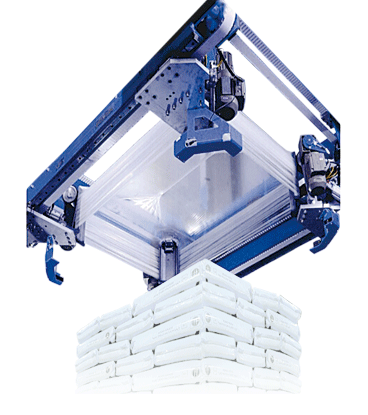
For machine wrapping, first confirm your equipment type, pre-stretch settings, and the specific film materials compatible with your machinery. Be careful to distinguish between "film that is pre-stretched during manufacturing" and "film designed for use with powered pre-stretch equipment"—the similar terminology can sometimes lead to selecting the wrong product.
What Should You Consider for Heavy or Sharp-Edged Loads?
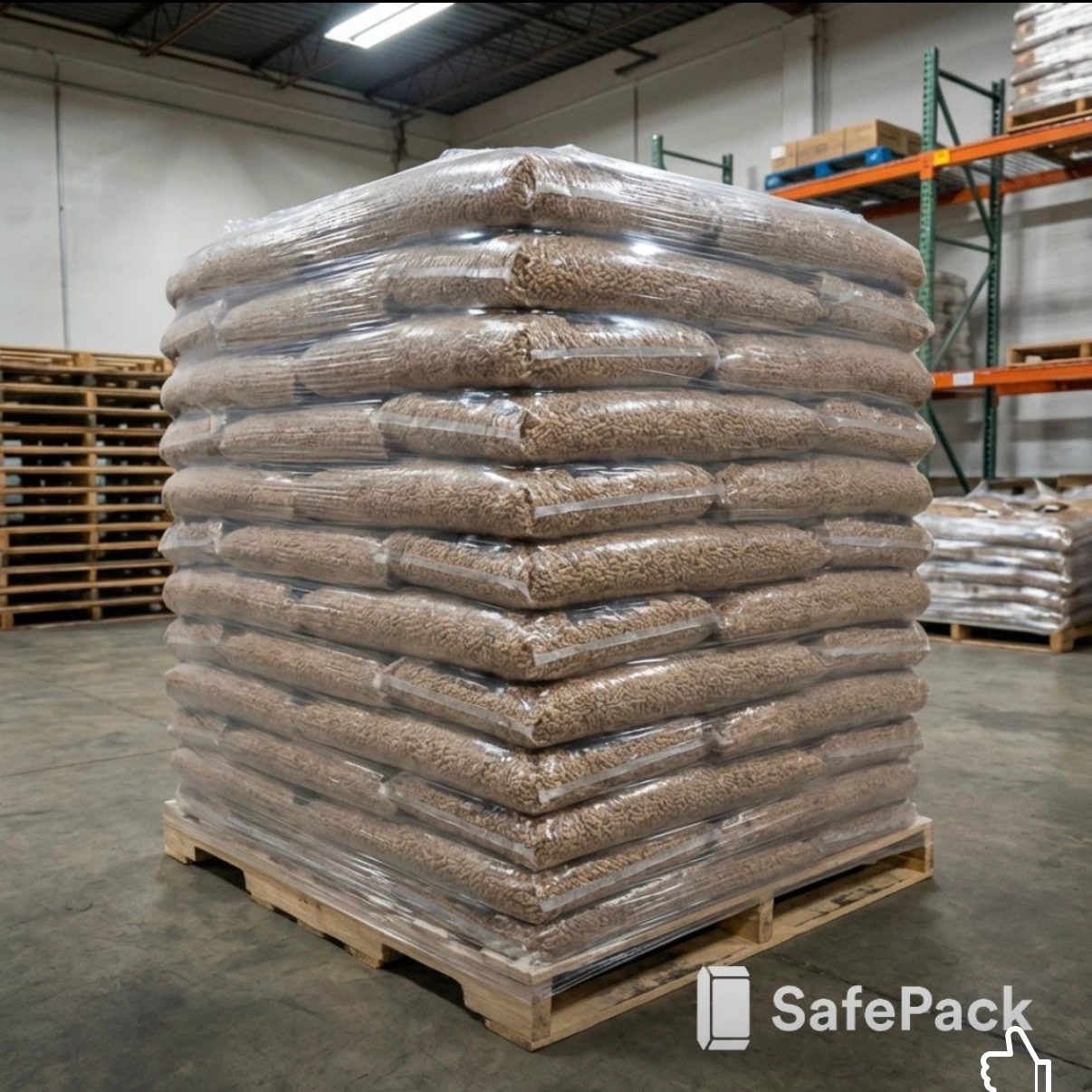
Standard cartons, bagged products, and industrial parts with sharp edges all place different demands on stretch film. When sourcing, do not simply assume that nano film is always the best choice for heavy loads, or that pre-stretched film is only suitable for lighter items. A more reliable approach is to conduct a trial wrap using the actual goods. Observe whether the film tears at the corners, if the load becomes loose after handling, or if the goods shift position. For irregularly shaped items or long-distance transport, the evaluation should also incorporate the use of edge protectors, specific wrapping techniques, and comprehensive reinforcement strategies.
Which packaging option is more cost-effective?
A lower price per roll does not necessarily mean a lower packaging cost per pallet. When comparing two types of film, you should track the actual weight of the film used, while also accounting for labor time, the frequency of roll changes, film breakage, and losses resulting from the need for rework.
The material cost per pallet can be calculated as: "weight of film used per pallet × purchase price of the film per kilogram." Such comparisons are only valid if both options meet the same load-securing requirements; otherwise, a reduction in the amount of film used does not equate to genuine cost savings.
Choosing between nano-stretch film and pre-stretched film is not a matter of which is "more advanced," but rather which is best suited to your specific cargo, packaging equipment, and operational processes. When evaluating your options, do not simply compare film thickness or the price per roll; instead, focus on load stability, actual film consumption, and equipment performance to determine the total packaging cost per pallet.
Rather than relying solely on product specifications, test the candidate films under actual packaging conditions. The goal is to strike the right balance between material consumption and packaging efficiency, all while ensuring your cargo remains stable during transport.
Are you in the process of selecting the right stretch film for your packaging operations? Reach out to YD PACK—share details about your cargo type, current film specifications, and packaging equipment, and let our team help you identify a packaging solution tailored to your business needs.