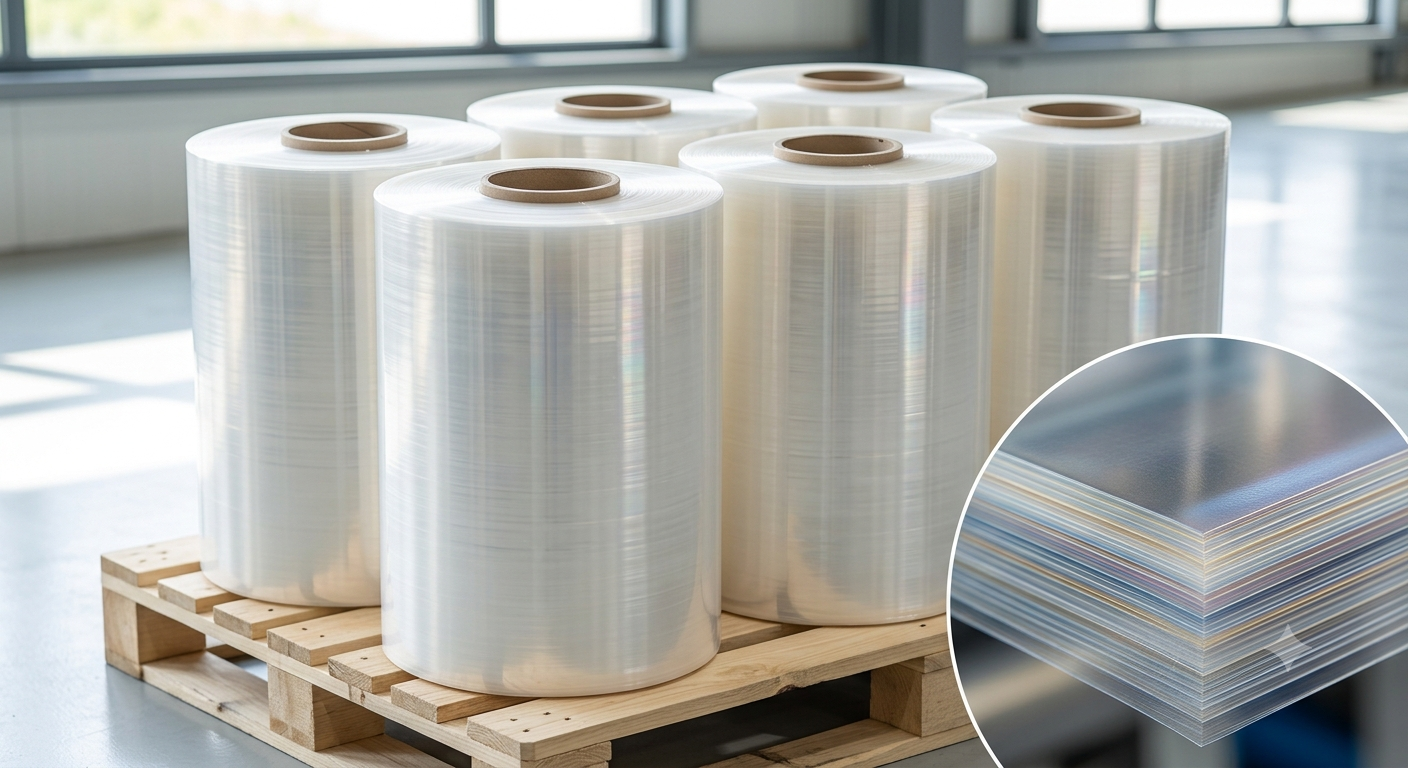
As businesses increasingly focus on sustainable packaging and the circular economy for plastics, PCR (Post-Consumer Recycled) stretch film is finding applications in logistics, warehousing, manufacturing, and export packaging. Unlike traditional stretch film, PCR stretch film incorporates a specific proportion of post-consumer recycled material during production, thereby reducing reliance on virgin plastic. For companies aiming to balance load stability, packaging efficiency, and sustainability goals, understanding the types, uses, and selection criteria for PCR stretch film helps in choosing the material that best fits their specific needs.
What is PCR Stretch Film?
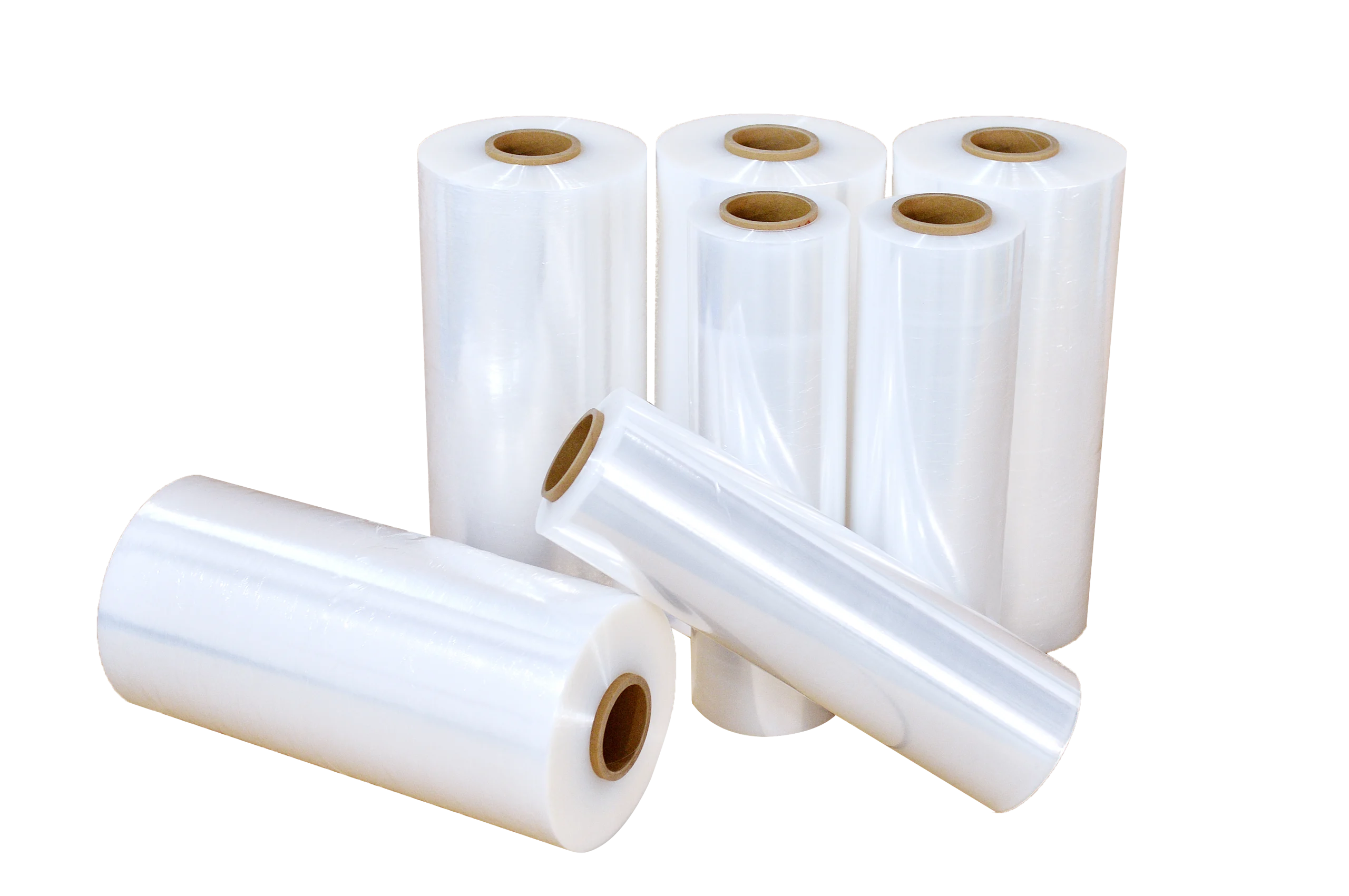
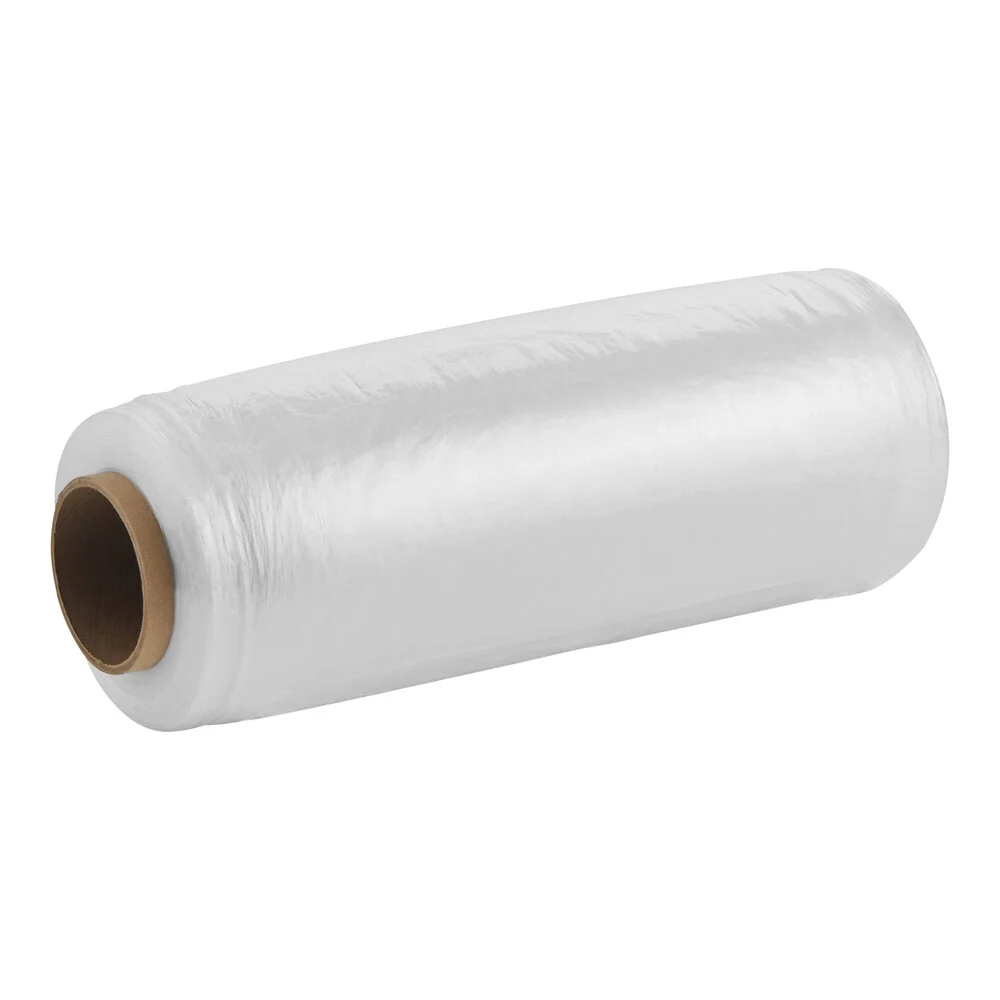
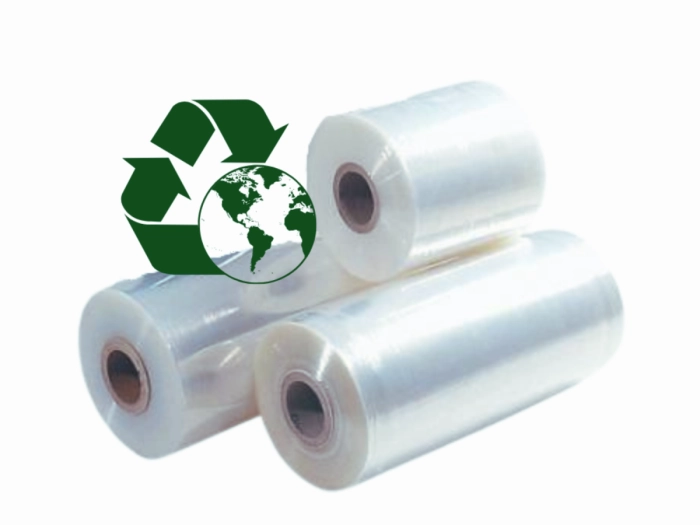
PCR stretch film is a stretch packaging film made from polyethylene (PE) blended with a certain percentage of PCR recycled material. Depending on the product formulation and customer requirements, the PCR content can range from 30% to 50% or even higher.
In the marketplace, "30% PCR stretch film" and "50% PCR stretch film" are common specifications. Since the PCR ratio affects material composition, mechanical properties, transparency, and overall packaging performance, product suitability cannot be determined solely by the PCR content; factors such as cargo weight, pallet structure, transport distance, and packaging equipment must also be considered.
What are the main types of PCR stretch film?
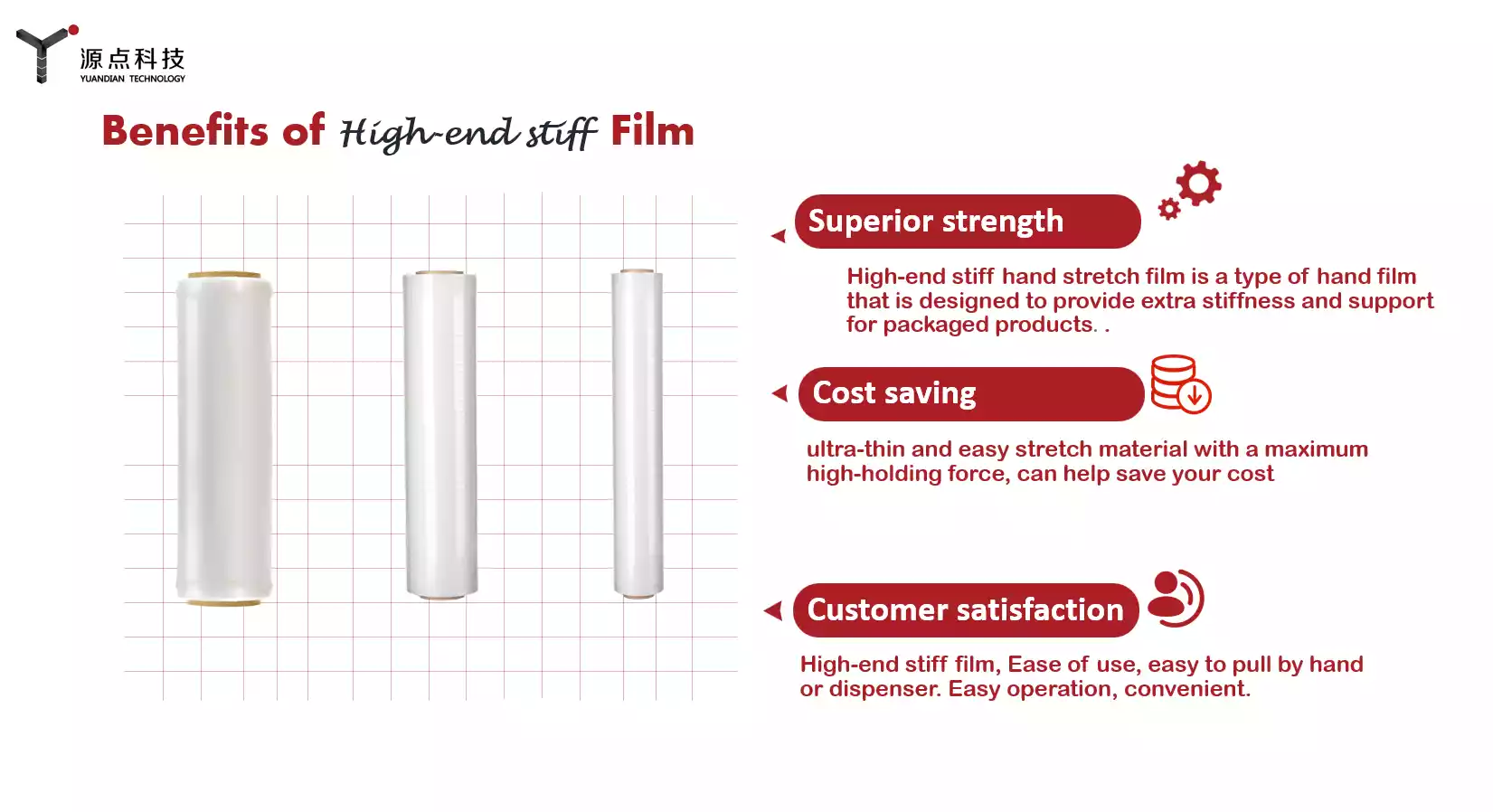
PCR stretch films roll can be categorized by their PCR content into 30% PCR, 50% PCR, and other custom-ratio products. 30% PCR stretch film is typically used for standard pallet wrapping where both load stability and the use of sustainable materials are required. 50% PCR stretch film is better suited for packaging projects where companies aim to increase their usage of recycled materials.
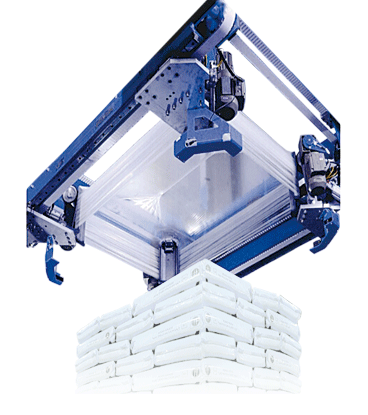
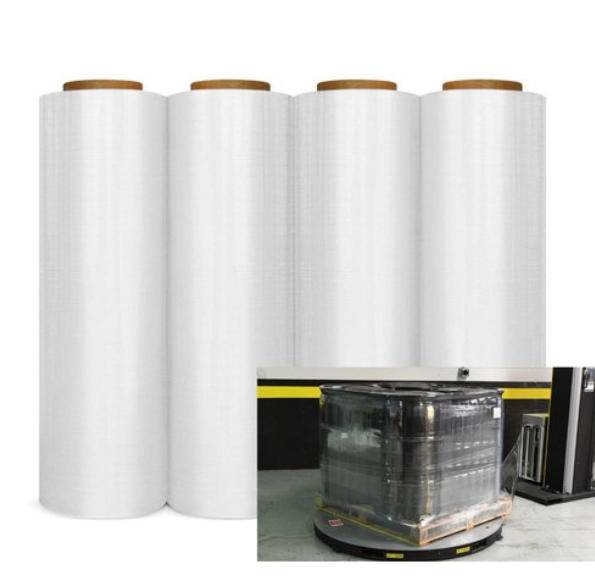
In terms of application method, PCR stretch film is classified into hand-grade and machine-grade films. Hand-grade film is primarily used for small-to-medium volume packaging and manual wrapping operations. Machine-grade PCR stretch film, however, is designed for use with automatic or semi-automatic wrapping equipment and generally demands higher standards for pre-stretch performance, thickness uniformity, and roll stability.
Where can PCR stretch film be used?
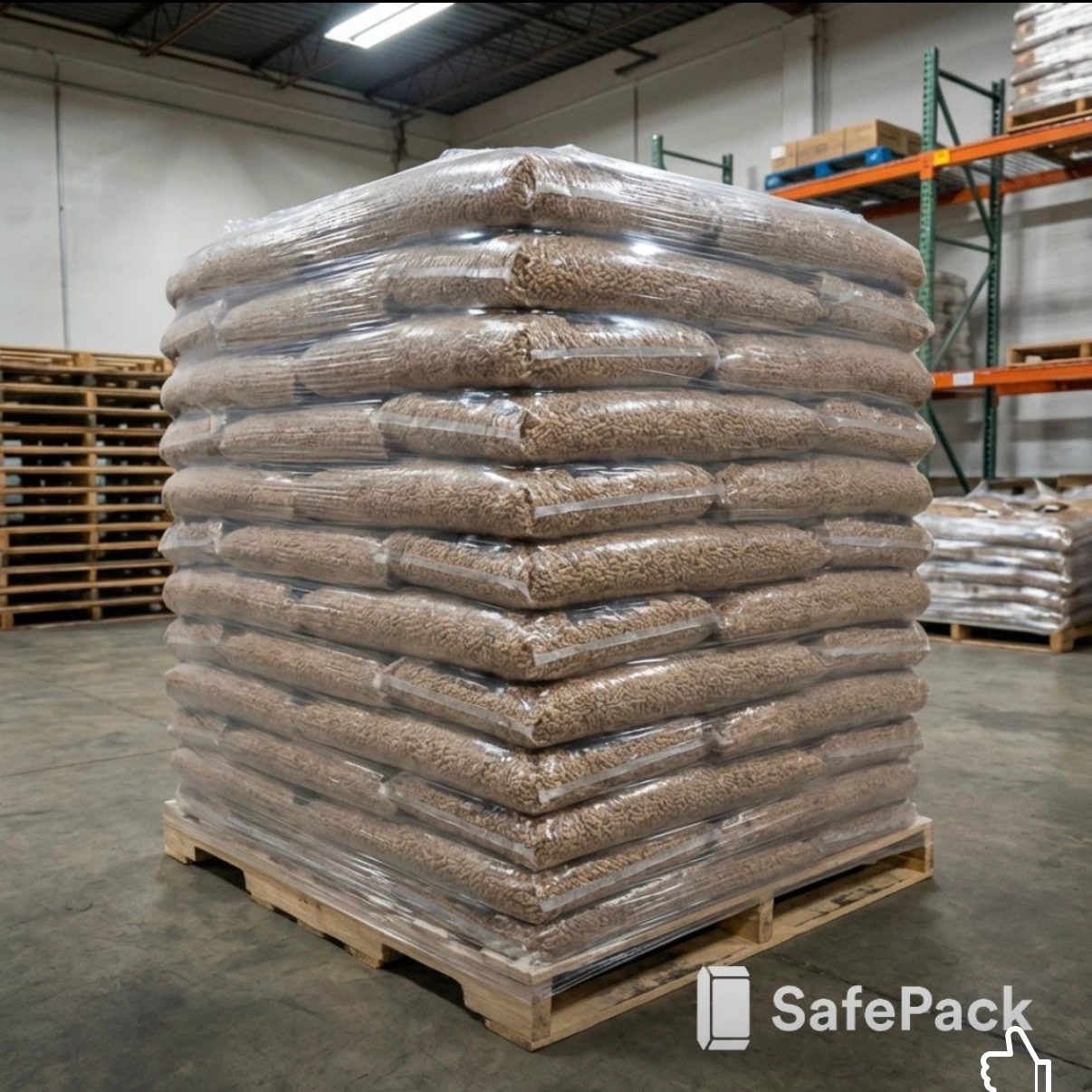
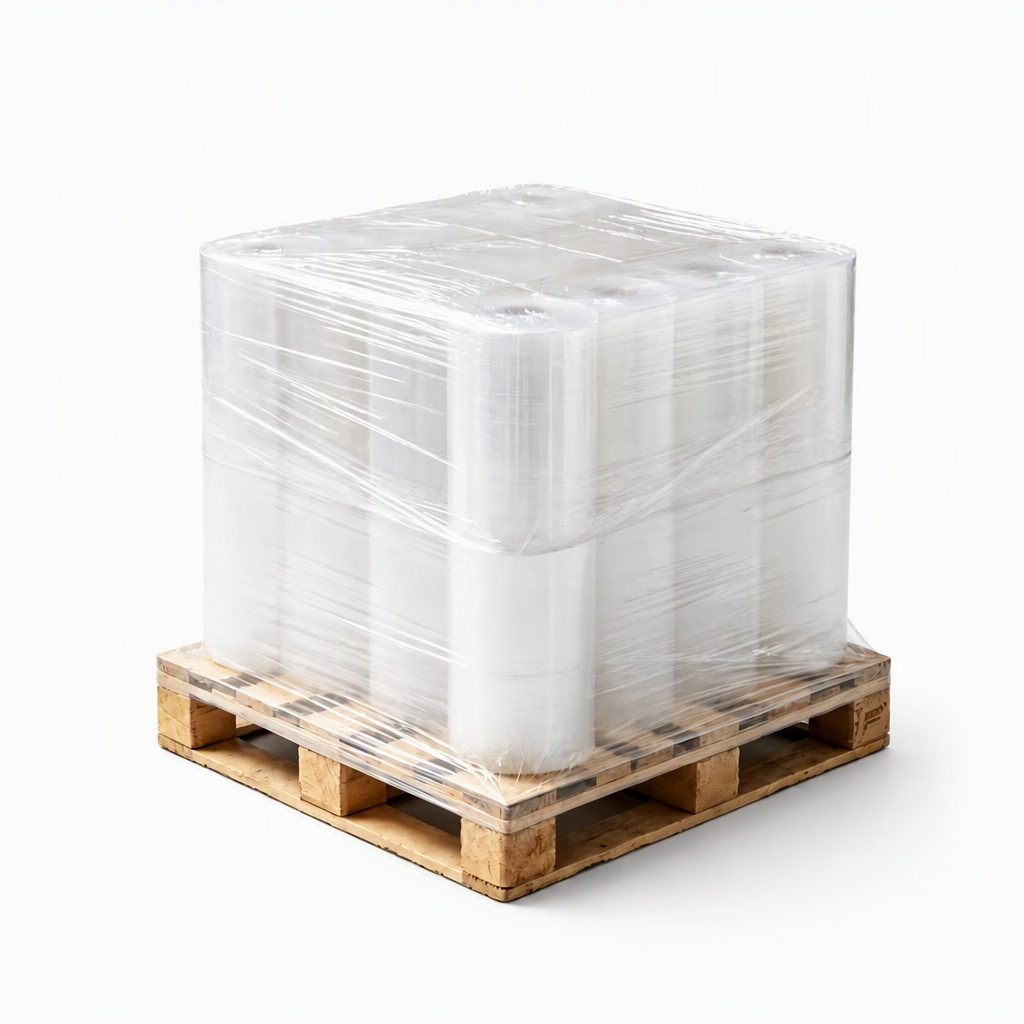
Logistics and warehousing packaging are among the most common application scenarios for PCR stretch film. For cartons, plastic crates, bagged products, and other palletized goods, stretch film can be used to secure multiple packaging units together, minimizing load shifting during transport and handling.
In industrial packaging, PCR stretch film is also suitable for securing palletized loads of mechanical parts, hardware, construction materials, and other industrial goods. For heavy loads, priority should be placed on tensile strength, puncture resistance, and load retention rather than focusing solely on the PCR content percentage.
For export and long-distance transport, packaging materials must withstand extended transit times, multiple loading and unloading operations, and varying environmental conditions. Therefore, when selecting PCR stretch film, factors such as film thickness, tear resistance, load stability, and the overall pallet structure should be considered holistically.
Additionally, for companies prioritizing sustainable packaging, PCR stretch film can be used for the outer packaging of food and beverages, daily consumer goods, electronics, and e-commerce logistics. Specific applications should be evaluated against product contact requirements and local regulations.
Choosing between 30% and 50% PCR stretch film?
PCR content is not the sole criterion for selection. For standard warehousing and logistics pallet wrapping, companies might choose a 30% PCR product based on load weight, wrapping frequency, and cost considerations. If a company places greater emphasis on the proportion of recycled material—and the supplier can maintain consistent packaging performance through formulation and production processes—then a 50% PCR stretch film may be a suitable option.
When purchasing, compare products based on PCR content, thickness, stretch ratio, puncture resistance, tear strength, load retention, transparency, and roll specifications. It is also advisable to conduct sample testing to verify that the film meets load-securing needs and equipment operational requirements.
What else should be considered when purchasing PCR stretch film?
Beyond product specifications, consider the supplier's production capacity, PCR raw material sources, batch consistency, and quality testing capabilities. For long-term procurement, it is recommended to verify whether the supplier can provide proof of PCR content, product specification sheets, and relevant test reports.
If using automatic wrapping equipment, provide details such as the equipment model, pre-stretch ratio, wrapping speed, and load dimensions in advance. This allows the supplier to recommend the appropriate PCR stretch film specifications based on actual operating conditions. The core value of PCR stretch film lies not only in the use of recycled materials but also in striking a balance between sustainability, packaging performance, cost-efficiency, and practical application requirements. Stretch films with 30% and 50% PCR content cater to different procurement needs; businesses should make informed decisions based on factors such as cargo type, pallet weight, transportation mode, packaging equipment, and environmental goals. For long-term procurement projects, it is recommended to finalize specifications through sample testing and technical consultation with the supplier, rather than basing the choice solely on PCR content.
Why Choose YD PACK?
For companies looking to source PCR stretch film, the ability to maintain consistent packaging performance while meeting environmental standards is a crucial factor in supplier selection. YD PACK specializes in stretch films and packaging materials, offering tailored PCR stretch film solutions—including various PCR content levels, film thicknesses, and specifications—to suit diverse palletized loads, packaging methods, and operational needs. For buyers interested in 30% or 50% PCR content, YD PACK assists in identifying the right product by evaluating material formulations, performance characteristics, and specific packaging requirements. Whether for warehousing and logistics, industrial palletizing, or export shipping, choosing YD PACK ensures access to targeted packaging material support and reliable products that advance corporate sustainability goals.