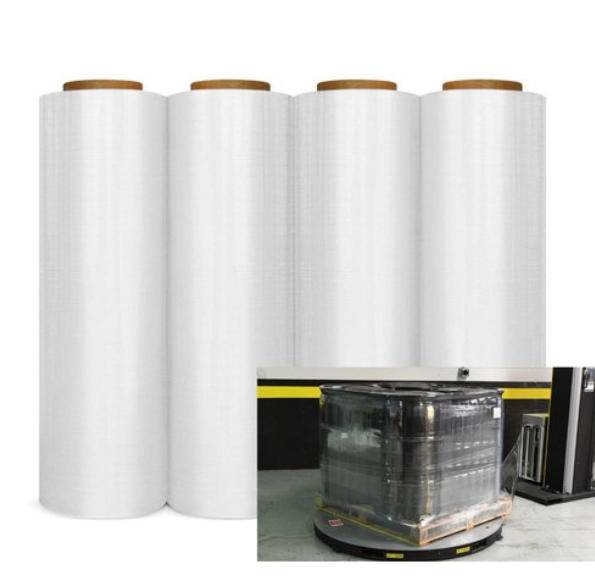
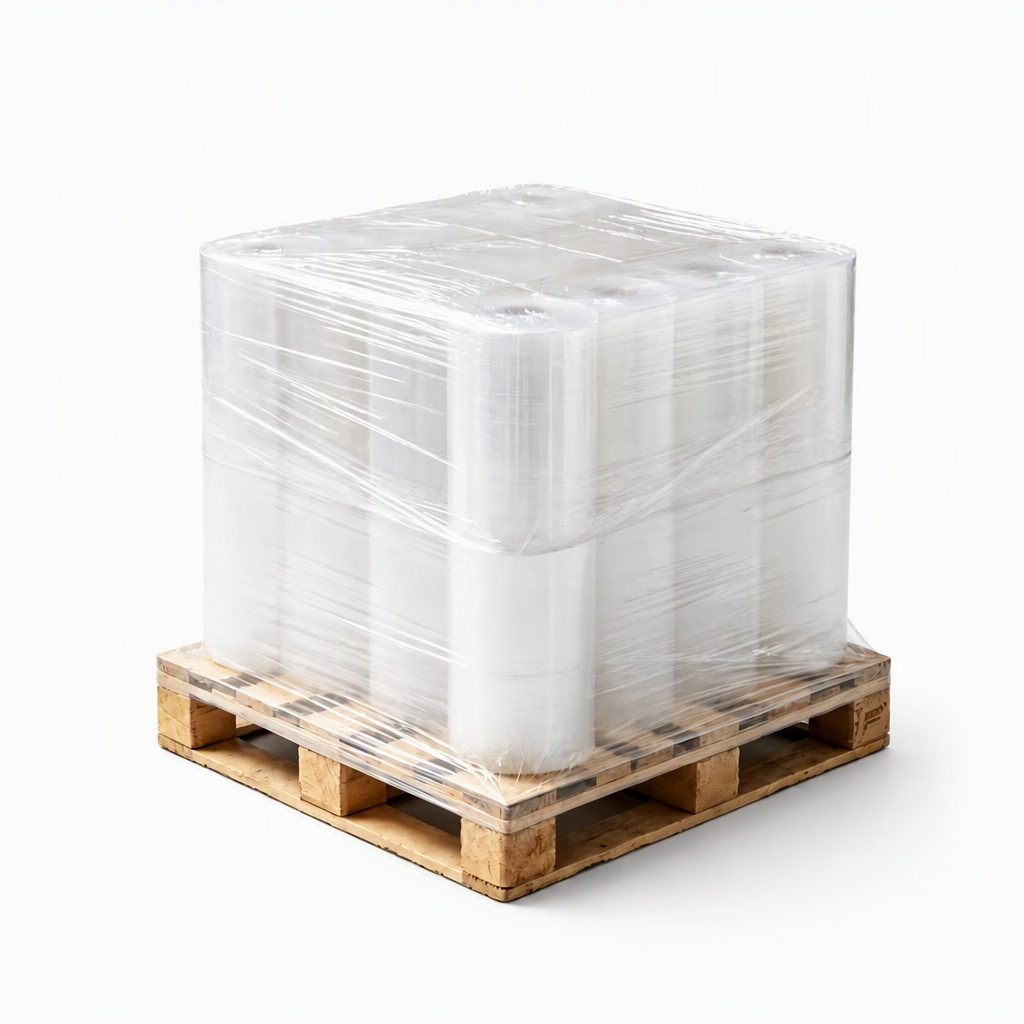
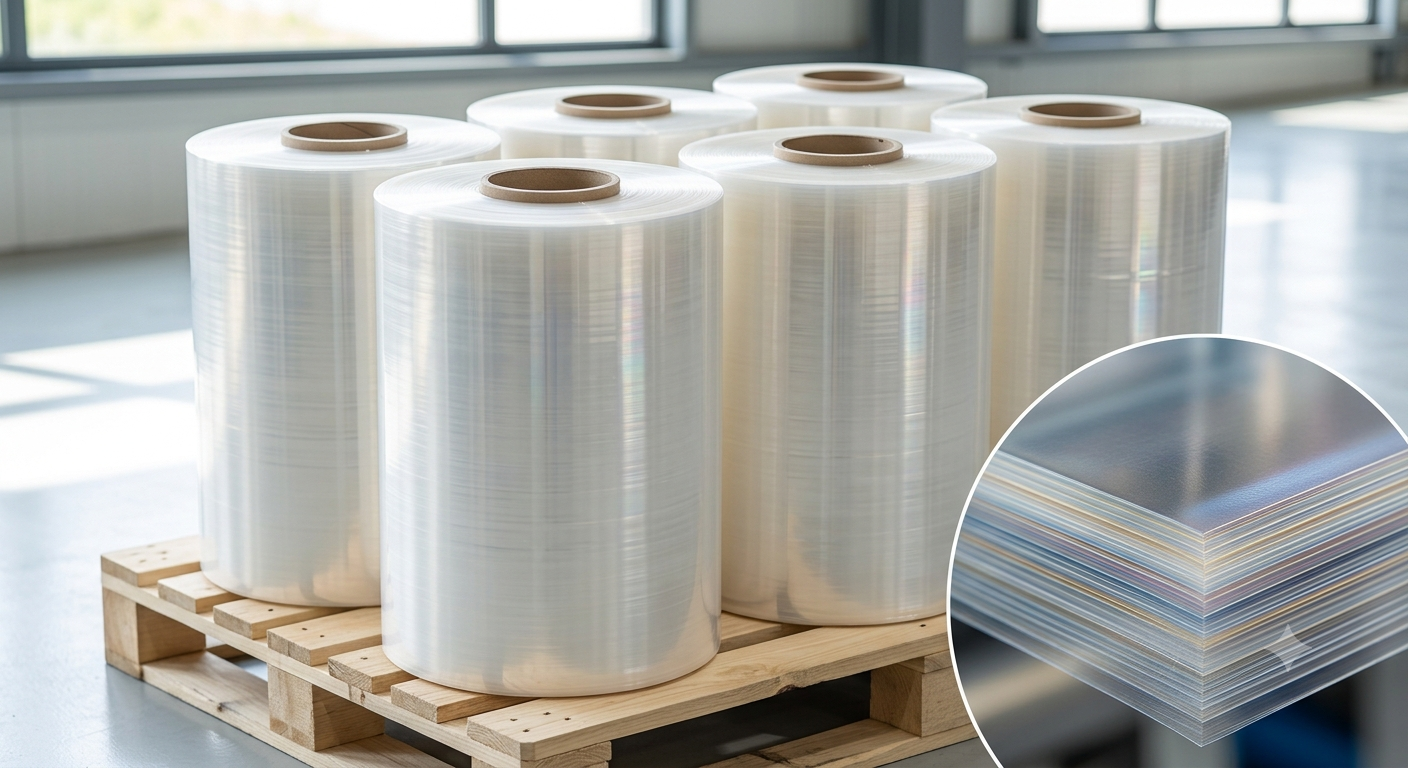
With the increasing demand for sustainable packaging, PIR and PCR have become important recycled materials for stretch film and industrial flexible packaging. They differ in their sources, stability, and application value: PIR is suitable for balancing performance and processing stability, while PCR better reflects post-consumer recycling. When choosing, a comprehensive consideration should be given to the recycled content, film strength, equipment compatibility, and transportation scenarios to achieve a balance between environmental protection and packaging reliability.
As packaging plastic reduction, recycling, and regulatory compliance requirements continue to increase, PIR and PCR have become important material terms in the plastic packaging industry. For manufacturers of stretch film, PE film, pallet packaging film, and other flexible packaging products, customers are no longer just asking about film thickness, elongation, and puncture resistance, but are increasingly concerned about the source of recycled materials, recycled content, recycling pathways, and whether the product meets local sustainable packaging requirements.
Both PIR and PCR are recycled plastics, but their raw material sources, performance stability, application scenarios, and procurement value differ. Understanding these differences helps companies develop more rational material selection, product development, and sustainable packaging solutions.
What is PIR?
PIR stands for Post-Industrial Recycled, generally referring to plastic materials generated and recycled during industrial production processes, also often called pre-consumer recycled material. Its sources include scraps, trimming waste, start-up materials, production by-products, or non-conforming products from film production.
Because PIR materials typically originate from relatively controlled industrial production environments, their raw material types are more clearly defined, the risk of contamination is lower, and batch stability is relatively better. Therefore, in scenarios requiring a balance between recycled content and film performance, PIR is often a relatively easy solution to implement.
For stretch film manufacturers, PIR can be used in formulations for some hand-operated films, machine-operated films, packaging films, and non-food contact PE films. By rationally controlling the addition ratio, melt index, impurity levels, and multilayer co-extrusion structure, companies can increase the recycled content while maintaining the tensile properties, puncture resistance, and self-adhesive properties of the film as much as possible.
What is PCR?
PCR stands for Post-Consumer Recycled, referring to plastic materials that are recycled, sorted, cleaned, and reprocessed after use by consumers or end-users. For example, discarded plastic packaging, supermarket recycled film, household recyclables, and used plastic containers can all be sources of PCR.
Compared to PIR (Post-Consumer Recycled), PCR more directly reflects the value of post-consumer waste re-entering the production cycle, thus possessing stronger market communication value in ESG (Environmental, Social, and Governance) projects, the circular economy, and branded sustainable packaging. Promoting PCR helps reduce plastic waste entering the environment or landfill systems and promotes a closed-loop model of "post-use recycling—reprocessing—reuse in packaging."
However, PCR requires more stringent requirements for recycling, sorting, cleaning, and regeneration processes. Its sources are more complex, potentially involving foreign matter, odor, color fluctuations, and performance instability. Therefore, when using PCR in stretch film products, one should not only focus on "how much is added," but also simultaneously evaluate the mechanical properties of the final film material and the reliability of the packaging.
PIR vs. PCR: How to Choose?
PIR is better suited for projects emphasizing material stability, processing stability, and performance balance; PCR is better suited for brand clients, retail supply chains, export packaging, and sustainable sourcing projects with specific requirements for post-consumer recycled content.
From an application perspective, PIR and PCR are not mutually exclusive options. Many companies develop differentiated solutions using PIR, PCR, or a PIR+PCR blend, depending on their product lines, customer requirements, packaging applications, and performance goals.
PIR vs. PCR: Selection Guide
|
Selection Criterion
|
PIR Solution
|
PCR Solution
|
|
Material source
|
Industrial production scrap, edge trim, and surplus material
|
Post-consumer plastic waste after end use
|
|
Feedstock consistency
|
Generally higher
|
More affected by collection systems and sorting quality
|
|
Sustainability value
|
Reduces industrial production waste
|
Supports post-consumer plastic circularity
|
|
Performance control
|
Relatively easier
|
Requires stricter formulation and quality control
|
|
Typical applications
|
Non-food packaging films, industrial packaging, stretch films
|
Non-food packaging, sustainable packaging programs, brand procurement projects
|
|
Primary marketing message
|
Industrial waste reduction
|
Post-consumer circularity
|
Recycled Material Solutions for Stretch Films
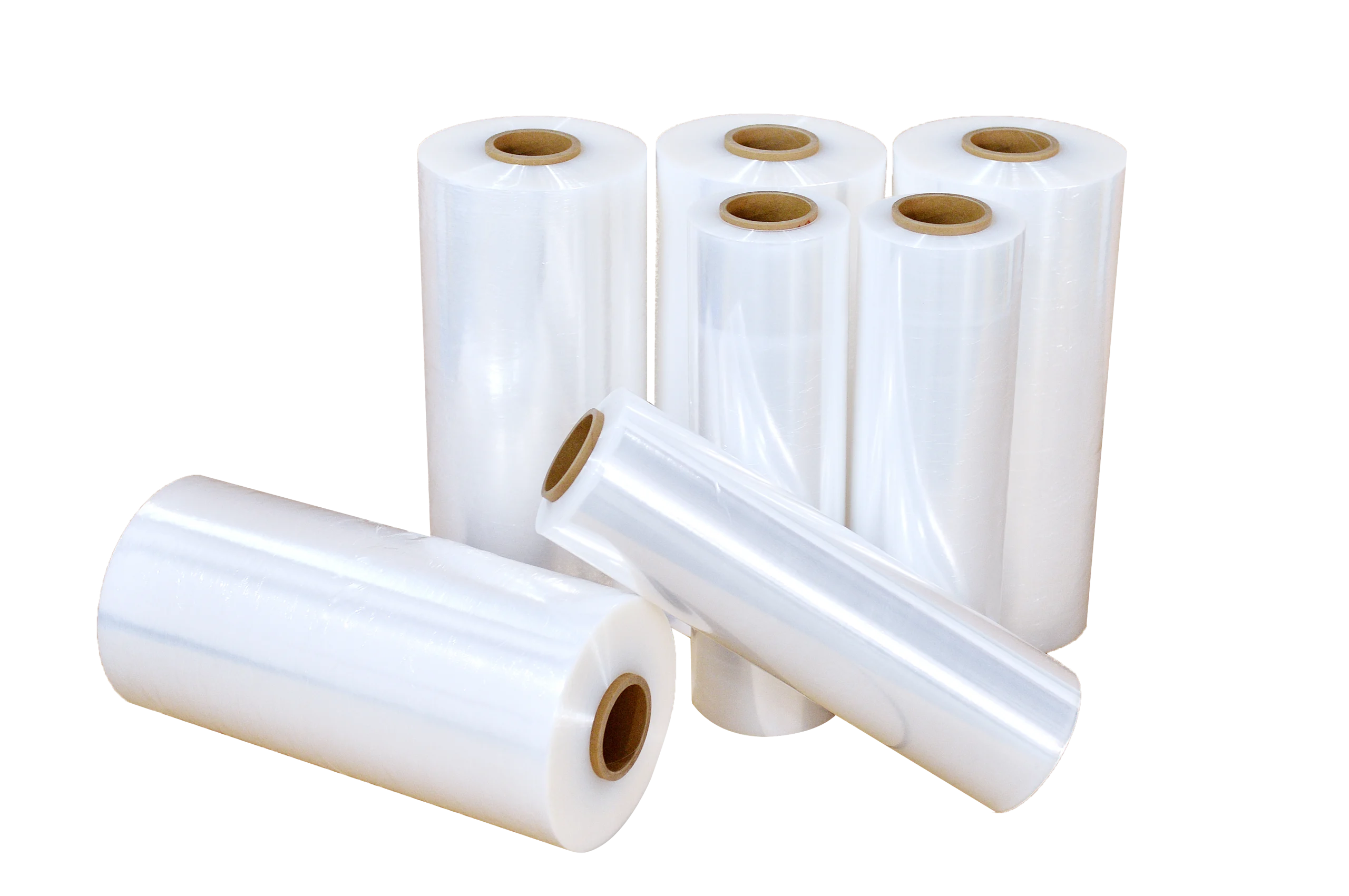
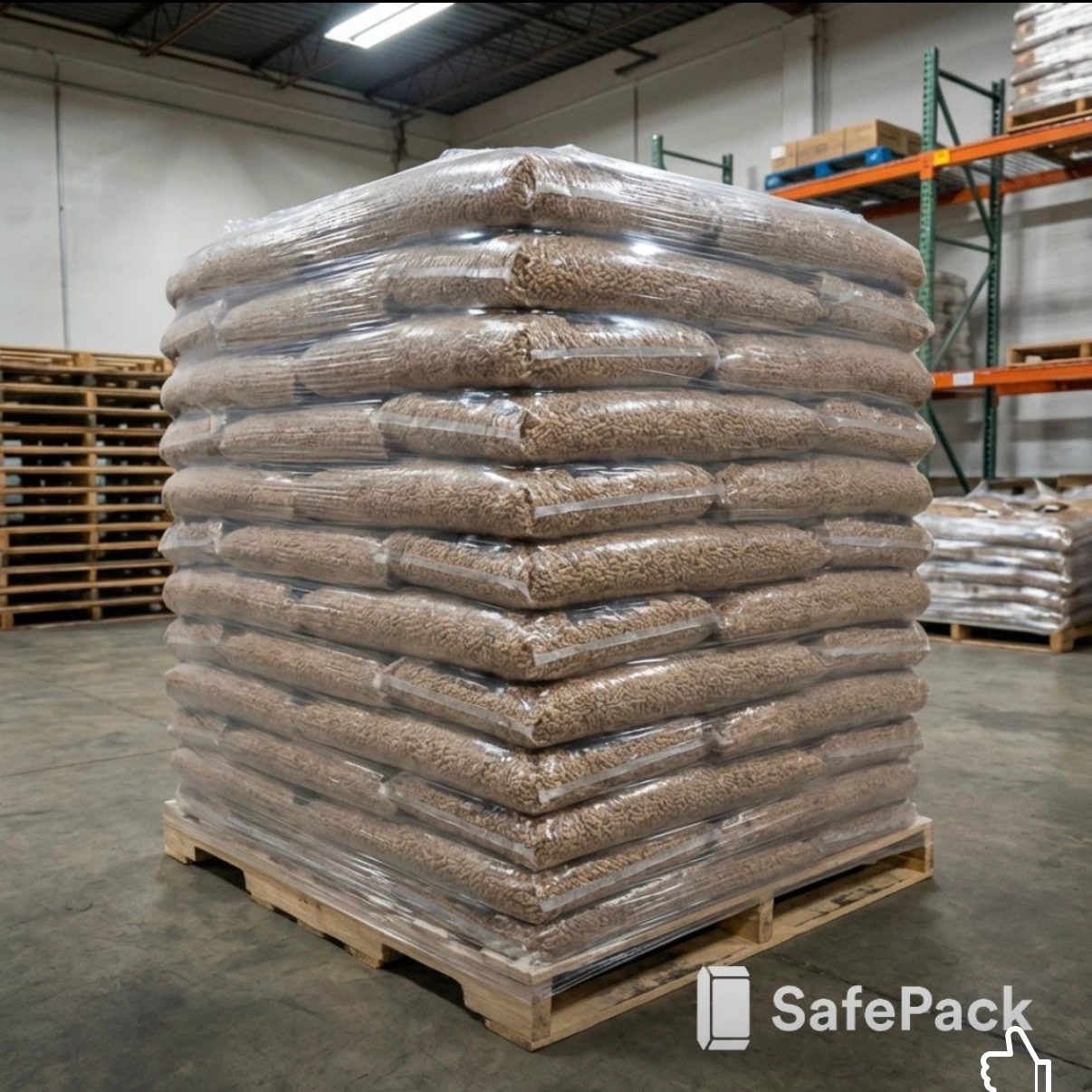
For pallet stretch film, the most critical issue is not "whether it contains recycled materials," but rather "whether it can still reliably protect goods after containing recycled materials."
A sustainable stretch film solution should consider the following factors:
Recycled material type: PIR, PCR, or a combination of both
Recycled material content: e.g., 10%, 30%, or higher
Film structure: Single-layer, three-layer, five-layer, or more co-extruded designs
Core properties: Puncture resistance, tensile strength, load-bearing capacity, self-adhesion, and tear resistance
Cargo conditions: Regular cartons, heavy-duty pallets, products with sharp corners, or irregular industrial parts
Usage scenarios: Manual wrapping, semi-automatic wrapping, or high-speed automated packaging lines
Recycling pathway: Local availability of PE film collection, sorting, and recycling facilities
For example, for ordinary cartons and pallets, conventional machine-grade film with a certain PIR or PCR content can be used; for metal parts, sharp-cornered goods, long-haul sea freight, or high-pre-stretch packaging lines, mLLDPE high-performance resin can be blended with recycled materials, and a multi-layer co-extrusion structure can be used to place the high-performance raw materials in key functional layers to maintain puncture resistance and load-bearing capacity.
From "Recycled Content" to "Verifiable Recyclable Packaging"
Companies should avoid using vague terms like "eco-friendly film," "green packaging film," or "100% sustainable." A more professional approach is to clearly specify the source of recycled materials, their proportion, applicable products, performance limits, and recycling conditions.
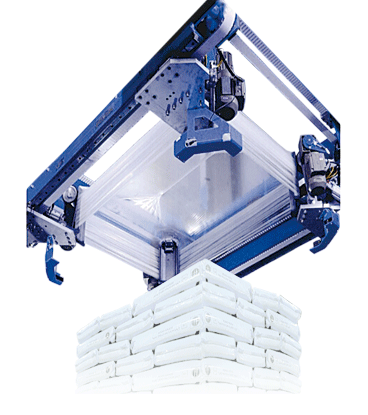
In stretch film and pallet packaging applications, companies should not only focus on "whether recycled materials are added" or "what the recycling ratio is," but also comprehensively assess cargo weight, the severity of sharp corners, transportation distance, stacking conditions, wrapping method, equipment pre-stretching capacity, and target film thickness. For regular cartons and standard logistics pallets, standard stretch film solutions containing PIR or PCR should be prioritized; for heavy cargo, products with sharp corners, irregular pallets, export sea freight, or high-speed automated stretching lines, a balance should be achieved between recycled content and puncture resistance, load-bearing capacity, and breakage risk through high-performance resins, multi-layer co-extrusion structures, and targeted formulation design.
YD PACK assists companies in optimizing stretch film solutions to meet their specific packaging needs. Whether you need to improve pallet stability, reduce film consumption per pallet, assess the feasibility of introducing recycled materials, or find more suitable industrial packaging materials for your existing product lines, YD PACK can work with you to analyze cargo type, packaging method, equipment used, and performance targets, and provide corresponding optimization suggestions. Its services include collaborating with established companies with stable usage to match suitable packaging materials to their product lines and optimize packaging processes.
You can contact YD PACK to further discuss the following solutions:
Feasibility assessment of stretch film containing PIR or PCR recycled materials
Selection of hand-operated film, machine-operated film, and high-performance pre-stretch film
High puncture-resistant packaging solutions for heavy-duty, sharp-cornered, or irregularly shaped goods
Solutions to reduce film consumption per pallet through thinning and high-performance formulations
Film material optimization suggestions for semi-automatic or automatic stretching equipment
Pallet stabilization solutions for export transportation, warehousing stacking, and long-distance logistics
Implementing sustainability goals in actual packaging requires more than just recycled materials; it also requires proven performance design and application matching. Contact YD PACK for stretch film solutions better suited to your product line, packaging equipment, and logistics scenarios.