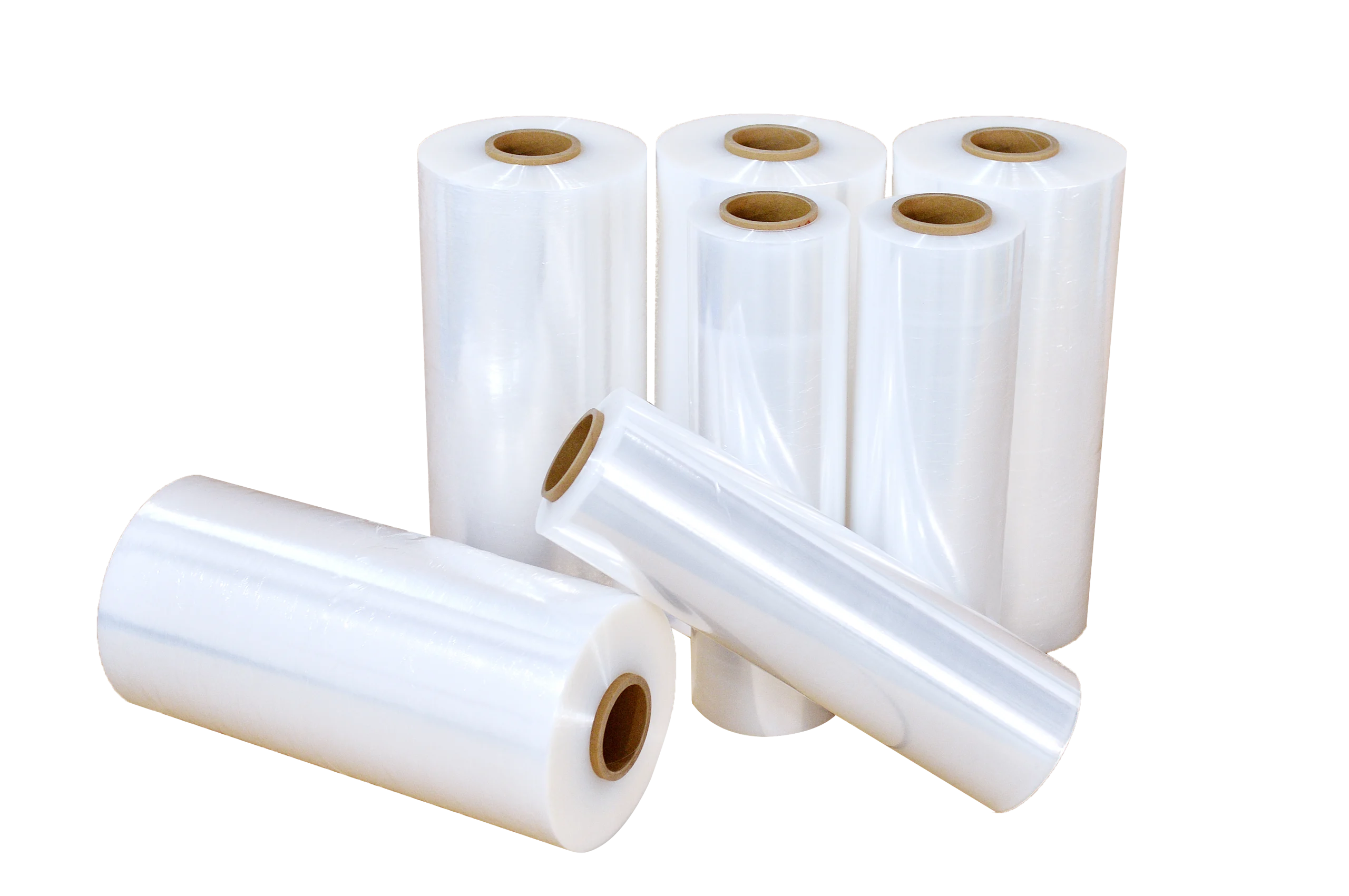
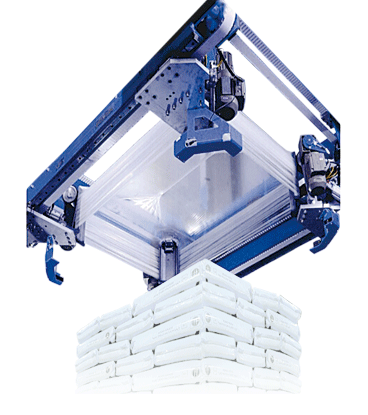
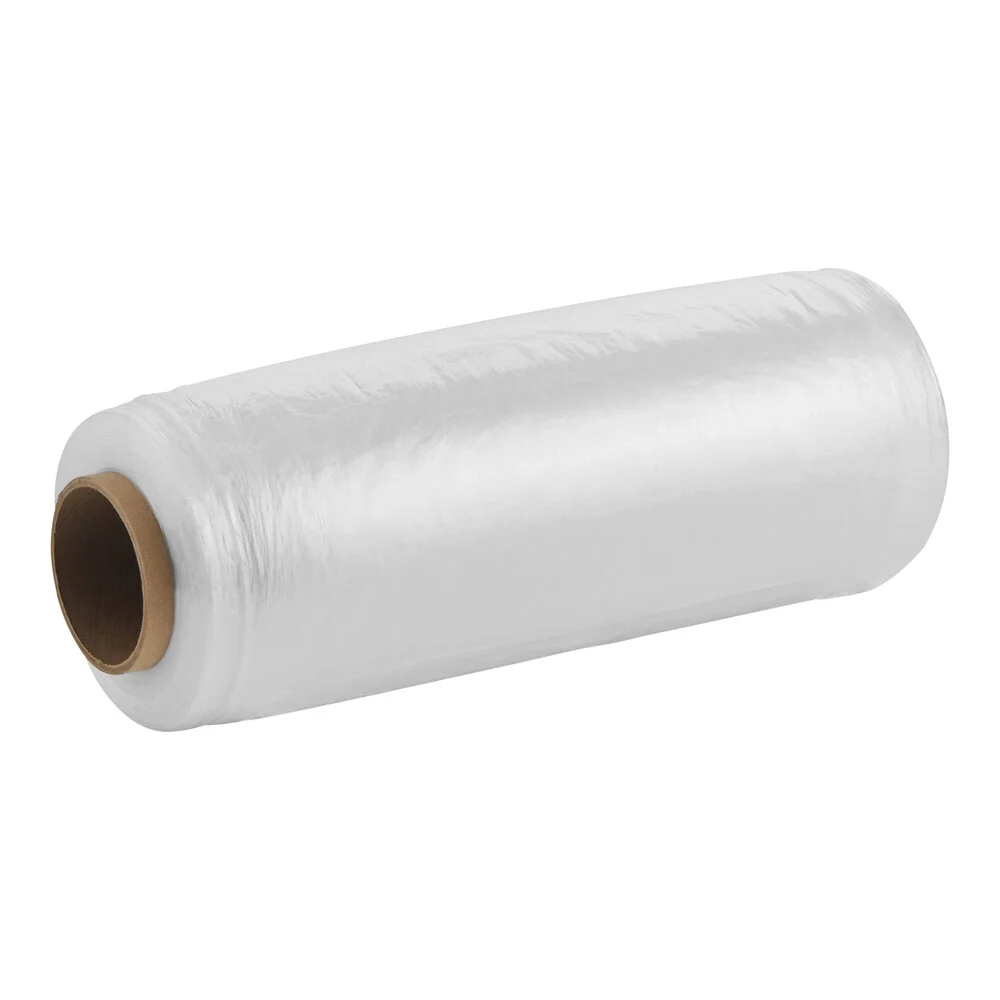
In warehousing, distribution, factory shipping, and export logistics, the stability of palletized goods directly impacts product damage rates, labor efficiency, and overall packaging costs. Pre-stretched film undergoes a pre-stretching process, requiring less tension during application; this enables operators to wrap pallets more efficiently while utilizing the film's elastic recovery to secure the load firmly to the pallet. Rather than simply comparing the price per roll, businesses should evaluate options based on factors such as film consumption per pallet, film breakage rates, wrapping efficiency, load stability, and transport risks. This article explores cost, stability, and procurement specifications to help you select the most suitable pre-stretched stretch film solution. Pre-stretched film is generally characterized by reduced material usage, improved packaging efficiency, and enhanced load stability.
I. Why Consider Pre-Stretched Film for Pallet Packaging?
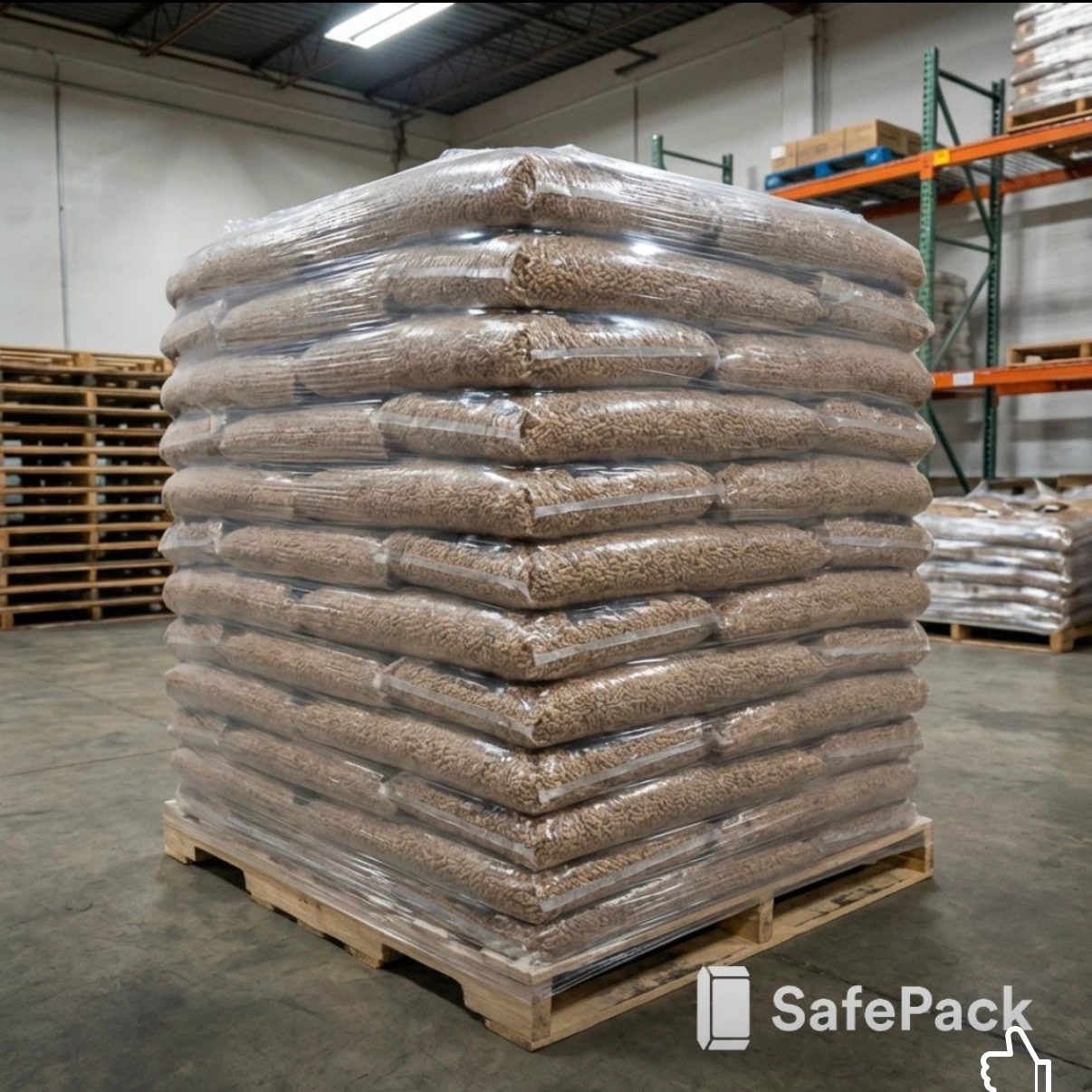
Palletized goods are subject to vibration, impact, and lateral movement during handling, loading/unloading, and transport. If the stretch film fails to provide sufficient wrapping force, cartons may shift, potentially leading to the collapse of the pallet load.
The primary functions of pre-stretched film include:
Securing palletized goods: Creating a stable packaging structure through continuous wrapping.
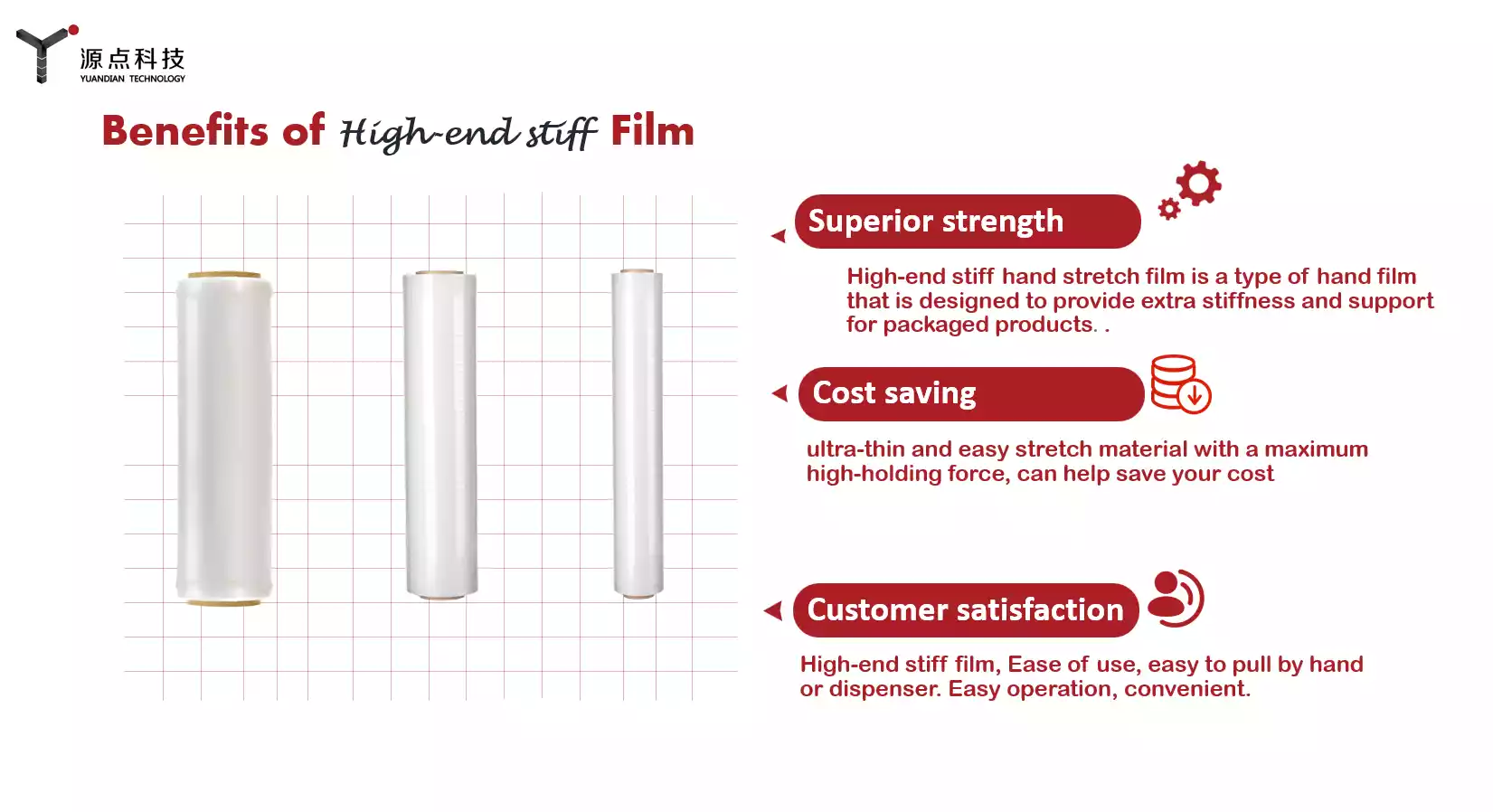
Reducing packaging material usage: The pre-stretched structure minimizes actual film consumption during the wrapping process.
Improving packaging efficiency: The film’s high elasticity makes it ideal for continuous pallet wrapping operations.
Reducing physical strain: For manual wrapping, pre-stretched film typically requires less pulling force.
Protecting goods: It offers protection against dust, minor moisture, and various external factors encountered during transport.
II. How Should the Cost of Pre-Stretched Film Be Calculated?
Purchasers should not base cost assessments solely on the unit price per roll. For pallet packaging, the cost per pallet and the packaging cost per unit of cargo provide more meaningful metrics.
Actual costs are typically influenced by the following factors:
Film thickness: Thicker film generally results in a higher material cost per roll but may be suitable for heavier loads. Film width and length: For products of the same weight, differences in film utilization efficiency will result in a different number of pallets being wrapped.
Pre-stretch ratio: Appropriate pre-stretching can improve material utilization, but it must be compatible with the cargo weight and packaging equipment.
Film usage per pallet: The number of wraps, pallet height, and cargo shape all influence final consumption.
Labor costs: For manual wrapping scenarios, operational efficiency should also be factored into the total cost calculation.
Therefore, when purchasing, it is recommended to compare costs based on "actual film usage per pallet × unit price of the film" rather than simply comparing the price per roll.
III. How does pre-stretched film affect pallet load stability?
For pallet packaging, load stability is a more critical metric than mere material savings.
Pre-stretch film requires a balance between saving material and providing sufficient holding force. If the film is too thin or lacks adequate pre-stretch performance, it may fail to effectively secure heavy or irregularly shaped loads; conversely, using too many wraps can increase material consumption and packaging time.
Key factors affecting pallet stability include:
Tensile strength of the film
Pre-stretch performance
Retraction force (memory)
Puncture resistance
Cargo weight and shape
Pallet height and stacking method
Stretch and wrap parameters of the packaging equipment
For heavy industrial products, irregular loads, and goods destined for long-distance transport, actual packaging tests should be conducted to verify whether the film maintains sufficient load stability.
IV. How do you choose the right pre-stretched film for different pallet packaging scenarios?
| Application Scenario |
Key Parameters to Consider |
Selection Priorities |
| Food & Beverage Pallet Packaging |
Stability, transparency, packaging efficiency |
Continuous wrapping, load securing |
| General Warehousing & Logistics |
Material efficiency, cost |
Reduced film consumption, improved efficiency |
| Industrial Product Pallets |
Strength, puncture resistance |
Securing heavy loads |
| Export & Sea Freight Pallets |
Stability, tear resistance |
Safe long-distance transportation |
| Irregular-Shaped Loads |
Stretchability, wrapping performance |
Improved overall load stability |
| High-Frequency Automatic Wrapping |
Pre-stretch performance, equipment compatibility |
Stable operation, reduced downtime |
The key to selecting pre-stretched film lies not in blindly pursuing thinner gauges or lower unit prices, but in verifying the actual cost-per-pallet and load-securing effectiveness based on pallet dimensions, cargo weight, corner shapes, transport distance, and whether manual or machine wrapping is used. Huangshan Yuandian specializes in industrial packaging solutions, offering products and application support that include nano stretch film, hand-wrap film, machine-wrap film, and pre-stretched film. Leveraging its load safety laboratory and testing capabilities, the company helps customers evaluate stretch performance, puncture resistance, and packaging stability. Its 55-layer nano stretch film is produced on advanced cast-film lines; it offers tailored packaging recommendations based on specific cargo and transport requirements, helping customers balance material savings, operational efficiency, and transport safety.
V. Which types of cargo are best suited for pre-stretched film?
Pre-stretched film is generally suitable for the following scenarios:
Pallets of cartons with relatively regular dimensions and neat stacking.
Light-to-medium-load goods for warehouse handling and turnover.
E-commerce warehouses, distribution centers, and production workshops requiring frequent manual wrapping.
Products requiring rapid packaging, such as food, beverages, personal care products, household goods, and retail cartons.
Enterprises seeking to reduce the physical burden on staff and minimize film waste.
Export goods requiring a neat pallet appearance, clear visibility of contents, and barcode readability.
Pre-stretched film can still be used for heavy machinery parts, goods with sharp metal edges, extra-high pallets, or loads with loose cartons or significantly offset centers of gravity, but on-site verification is mandatory. Such loads may require higher-strength film, increased wrapping layers at the base and middle sections, and the use of edge protectors, strapping, or other reinforcement methods.
The key to selecting pre-stretched film lies not in blindly pursuing thinner gauges or lower unit prices, but in verifying the actual cost-per-pallet and load stability based on pallet dimensions, cargo weight, edge/corner shapes, transport distance, and whether manual or machine wrapping is used. Huangshan Yuandian specializes in industrial packaging solutions, offering products and application support that include nano stretch film, hand-wrap film, machine-wrap film, and pre-stretched film. Leveraging our load safety laboratory and testing capabilities, we evaluate stretch performance, puncture resistance, and packaging stability for our customers. Our 67-layer nano stretch film is produced on advanced cast-film lines, allowing us to provide tailored packaging recommendations for diverse cargo and transport needs, helping customers balance material savings, operational efficiency, and transport safety.