



2026-09-24
Meta Description: Learn what Stretch Hood is, how automated hooding works, and how it improves pallet stability, packaging speed, protection, and material efficiency.
Why Is Stretch Hood Becoming More Popular?
Industrial packaging is becoming more automated.
Factories are looking for faster packaging, better load stability, and lower material consumption.
Traditional packaging methods still work well in many applications. However, high-volume production lines need more consistent and automated solutions.
This is where Stretch Hood comes in.
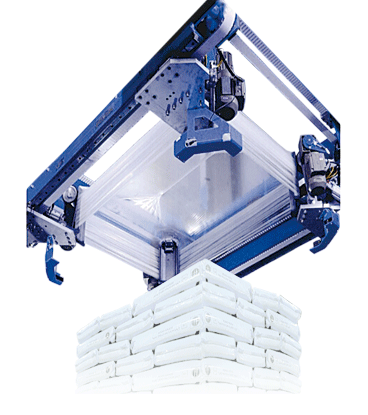
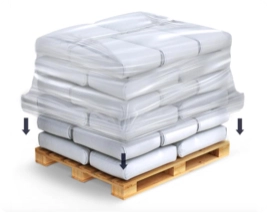
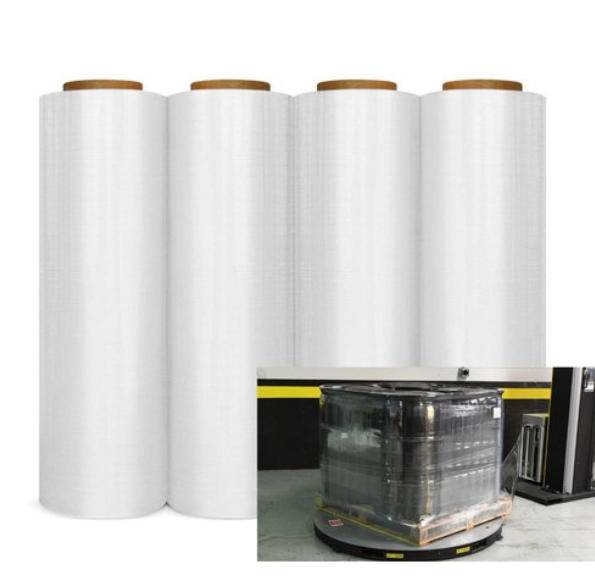
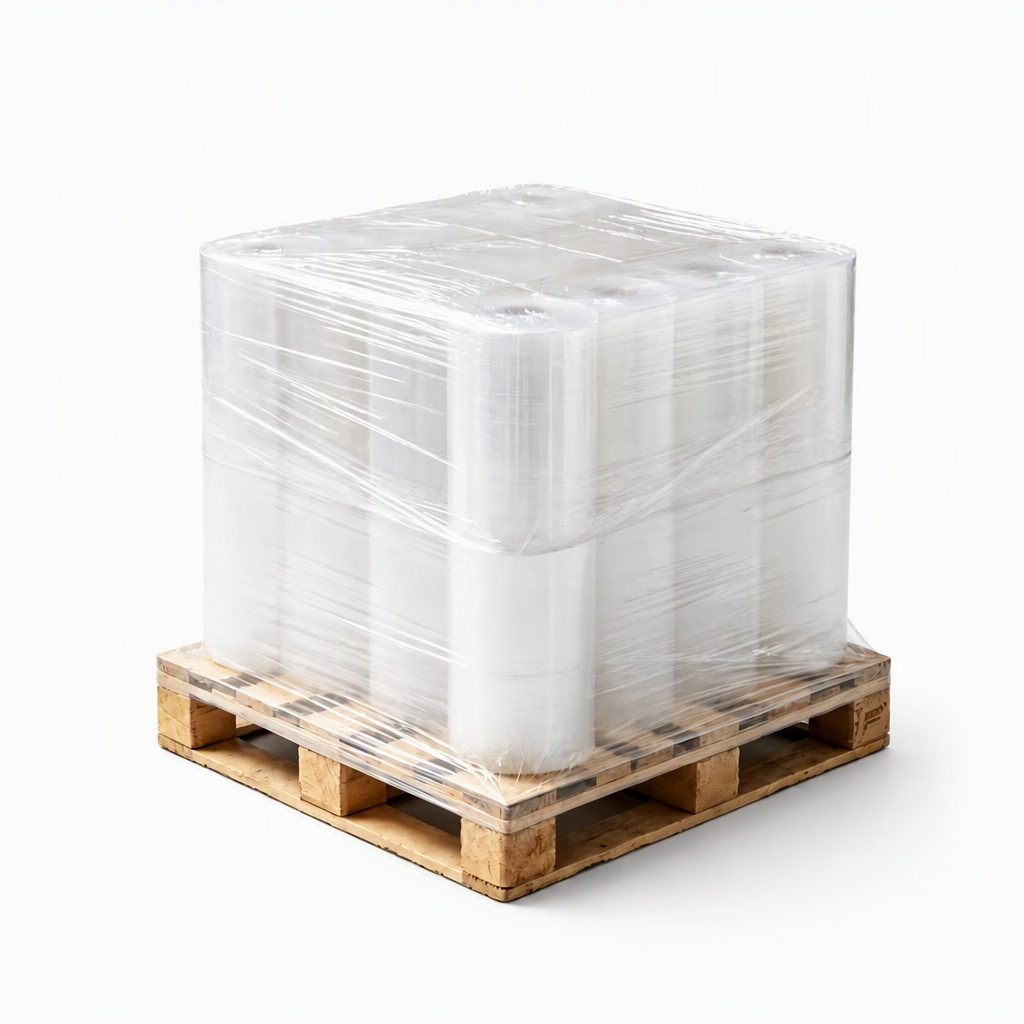
Stretch Hood is designed for automatic pallet packaging. It uses the elastic properties of PE film to secure the load and provide a protective cover.
In this article, we will explain what Stretch Hood is, how it works, and what makes it suitable for automated packaging.
What Is Stretch Hood?
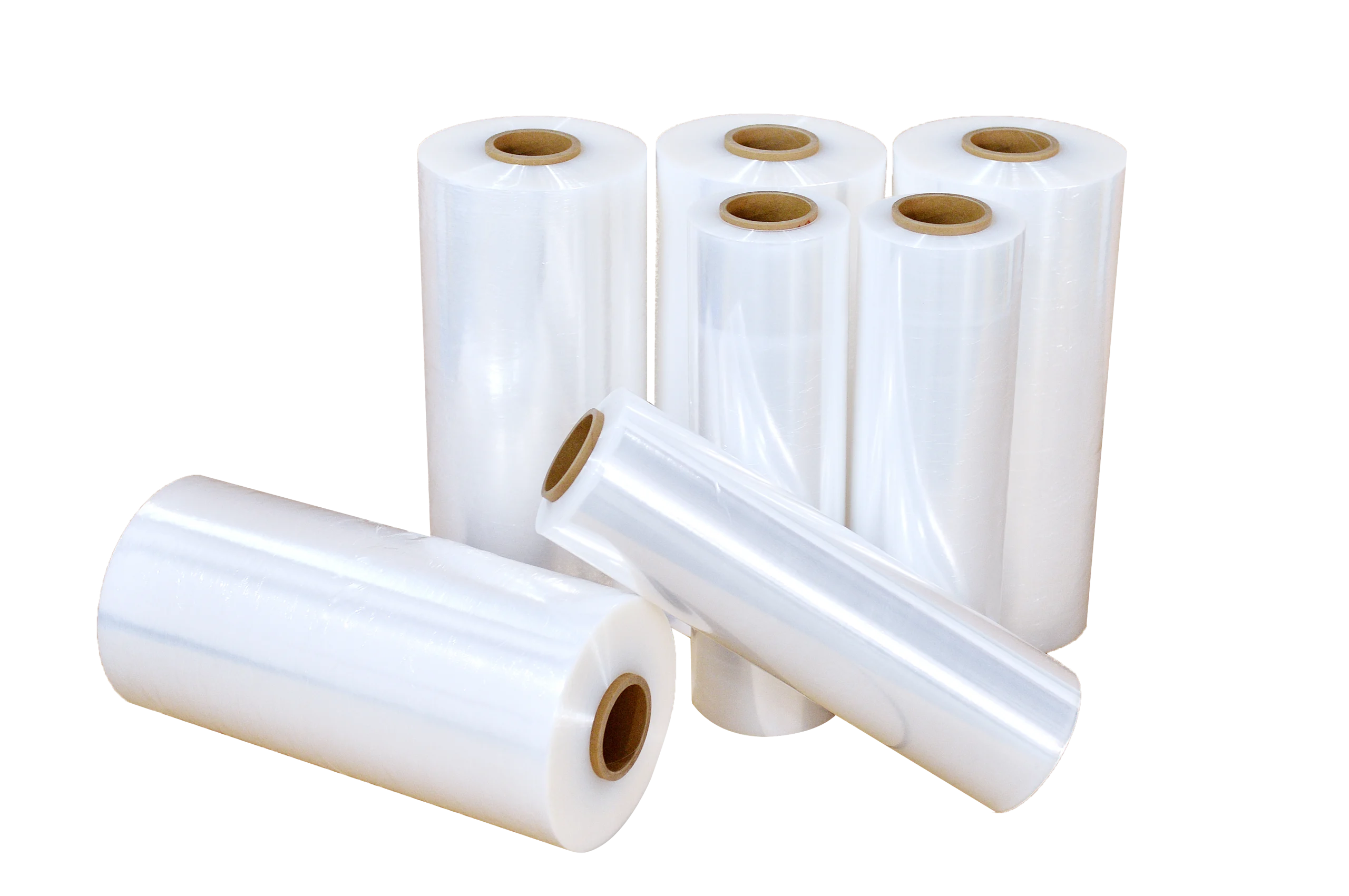
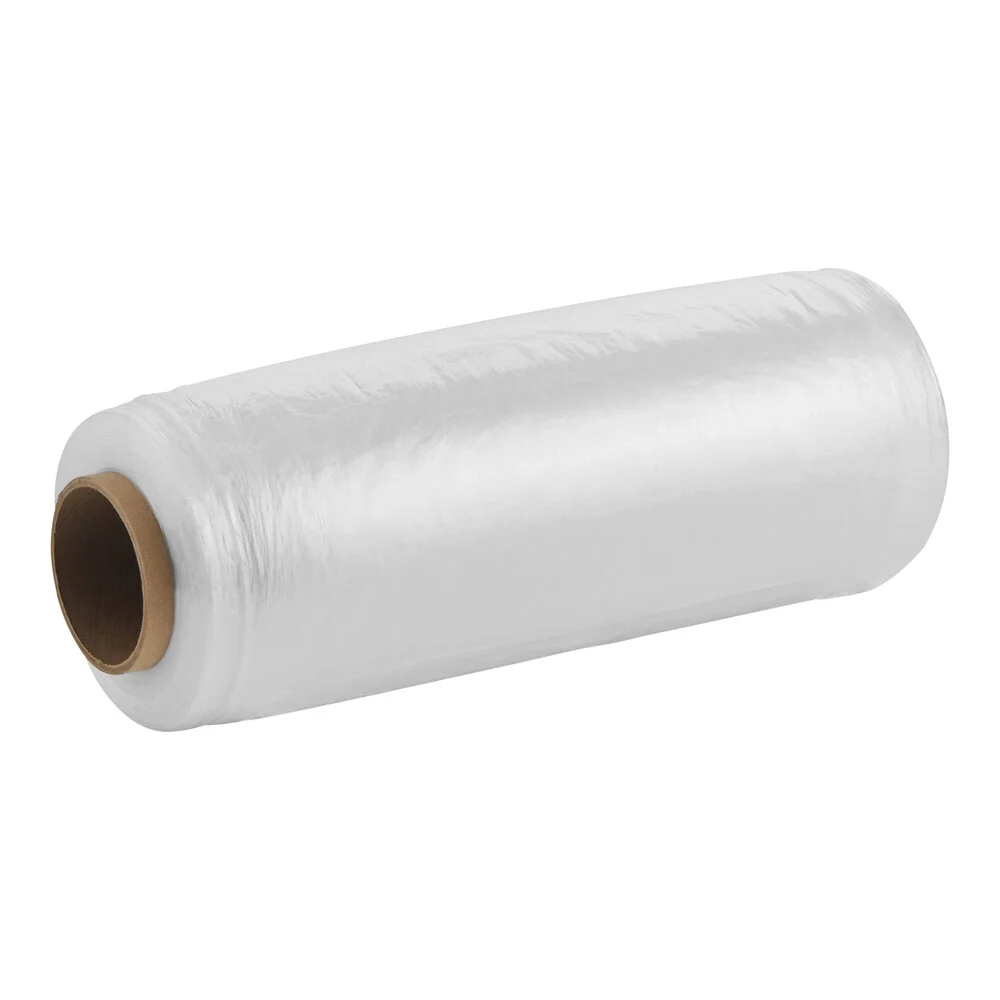
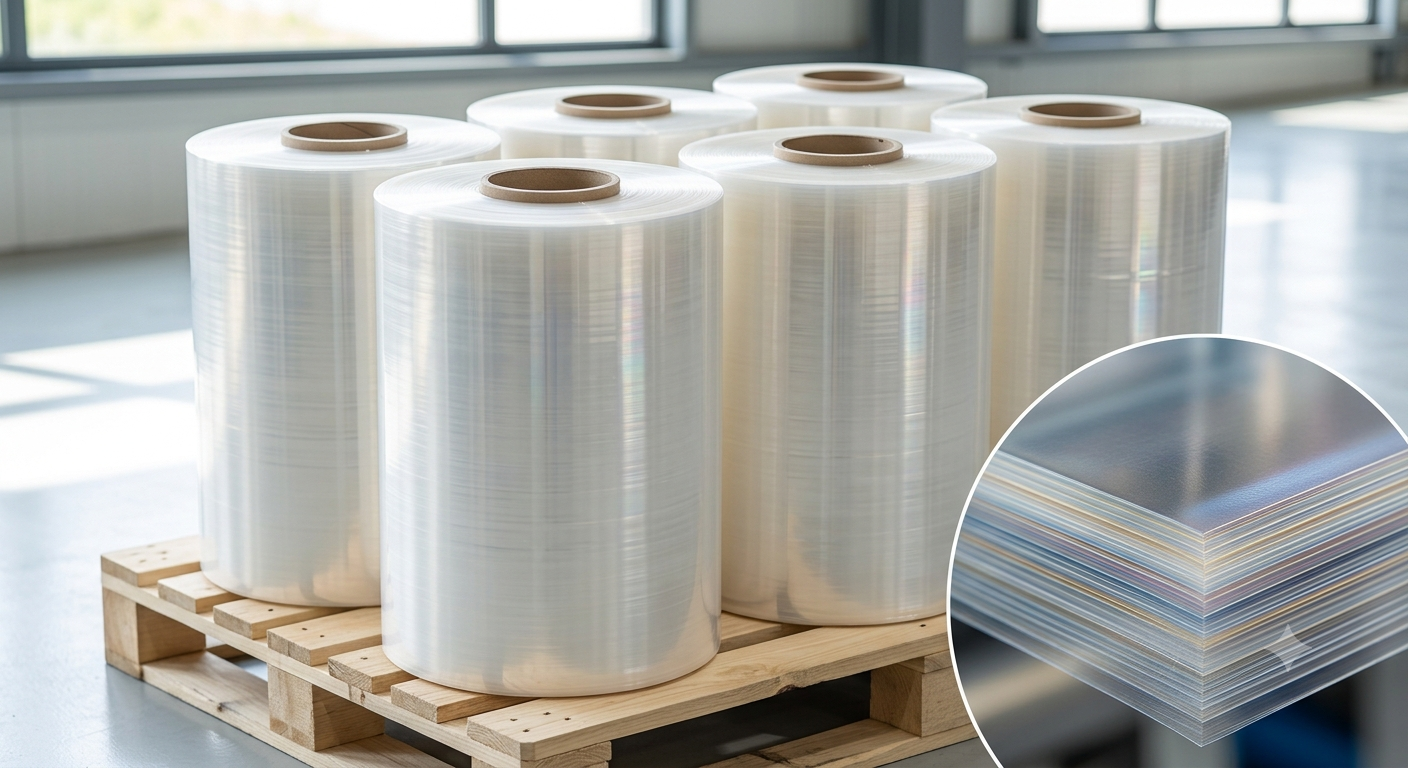
Stretch Hood is a tubular, highly elastic polyethylene (PE) film.
It is designed specifically for automatic Stretch Hood machines.
The machine stretches the film before applying it to the pallet.
After the film is released, it contracts through its natural elastic memory.
This creates a continuous holding force around the load.
The same film can also provide:
The tubular structure allows the film to cover the pallet in a single application.
What Makes a Good Stretch Hood Film?
Film quality is important for automated packaging.
YD Pack Stretch Hood Film is produced with virgin PE raw materials and advanced tubular blown film technology.
This helps achieve:
These properties help the film run smoothly on automated packaging equipment.
Can Stretch Hood Film Be Customized?
Yes.
Different products and transportation conditions require different film properties.
YD Pack can develop film specifications for specific applications.
Available options can include:
How Does the Stretch Hood Packaging Process Work?
The Stretch Hood process is fully automated, ensuring a consistent and highly repeatable packaging cycle that typically unfolds in five seamless steps:
What Are the Main Benefits of Stretch Hood Film?
Stretch Hood Film can improve pallet packaging in several areas.
Better Load Stability
The film creates a continuous holding force around the load.
This helps reduce:
This is useful for long-distance transportation and frequent handling.
Faster Automated Packaging
Stretch Hood systems are designed for high-volume production.
A typical automated cycle can take around 10–25 seconds per pallet, depending on the machine and application.
The system can also integrate with:
This reduces manual packaging work and improves production efficiency.
Five-Sided Protection
Stretch Hood can cover the top and sides of the pallet.
It can also provide bottom-edge coverage in suitable configurations.
This creates a more complete protective barrier.
Depending on the film specification, it can help protect products from:
Better Material Efficiency
Stretch Hood does not require multiple overlapping wrapping layers.
Depending on the specification and application, one roll can package approximately 800–1,200 pallets.
This can reduce film consumption and packaging costs.
Clean Packaging Appearance
Stretch Hood creates a tight and smooth package.
The transparent film also keeps product information and labels visible.
This can be useful for export shipments, retail distribution, and warehouse handling.
Is Stretch Hood Right for Automated Packaging?
Stretch Hood is particularly suitable for factories with:
For these applications, the combination of automation, elastic load containment, and material efficiency can provide significant value.
What Comes Next?
Stretch Hood Film is not only about the film itself.
The right solution also depends on the application, packaging equipment, load characteristics, and transportation conditions.
In Part 2, we will look at:
More News

2026-10-20
2026-10-09
2026-09-24
2026-09-24
2026-09-22
2026-09-10
2026-08-31
2026-08-31


