As industrial packaging demands increasingly lighter weight, higher strength, and better material utilization, nano-multilayer co-extruded film and nano stretch film are gaining market attention. While there is some overlap in their practical applications, their product positioning, structural design, production processes, and application focuses are not entirely the same. Understanding these differences helps companies choose the most suitable nano packaging film product based on the type of goods, packaging method, and transportation environment.
I. What is Nano-Multilayer Co-extruded Film?
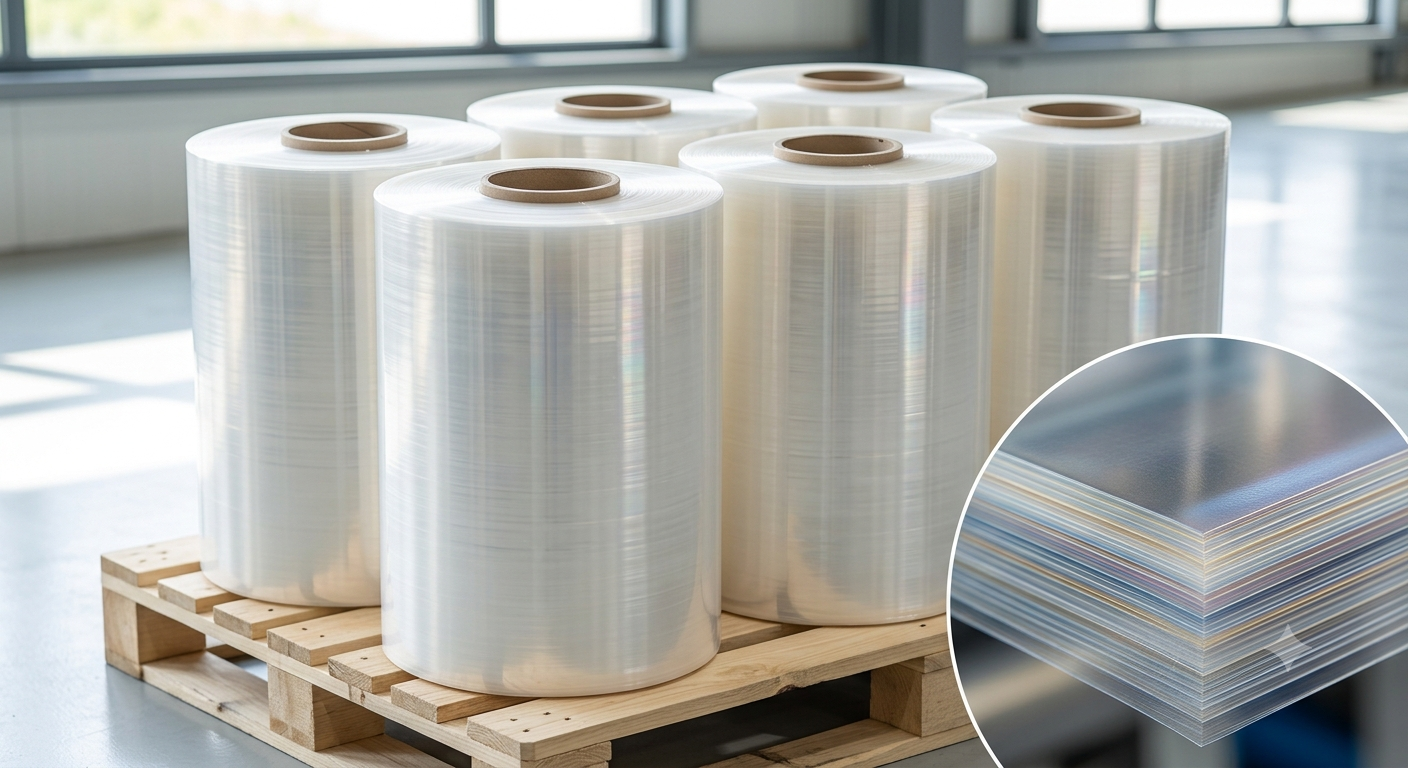
Nano-multilayer co-extruded film is typically produced using multilayer co-extrusion technology, combining resin materials with different functions in a specific structure and forming them in a single process using co-extrusion equipment.
Compared to traditional single-layer films, the multilayer structure allows for functional allocation of each layer according to different needs. For example, some layers primarily provide strength, some improve the film's elongation properties, and others can enhance adhesion or improve processing performance.
Therefore, the core advantage of nano-multilayer co-extruded film is not merely its thinness, but rather the comprehensive performance optimization achieved through the combination of multiple materials. At the same or similar thickness, a well-designed multilayer structure can balance tensile strength, tear resistance, puncture resistance, and packaging stability.
II. What is Nano Stretch Wrap Film?
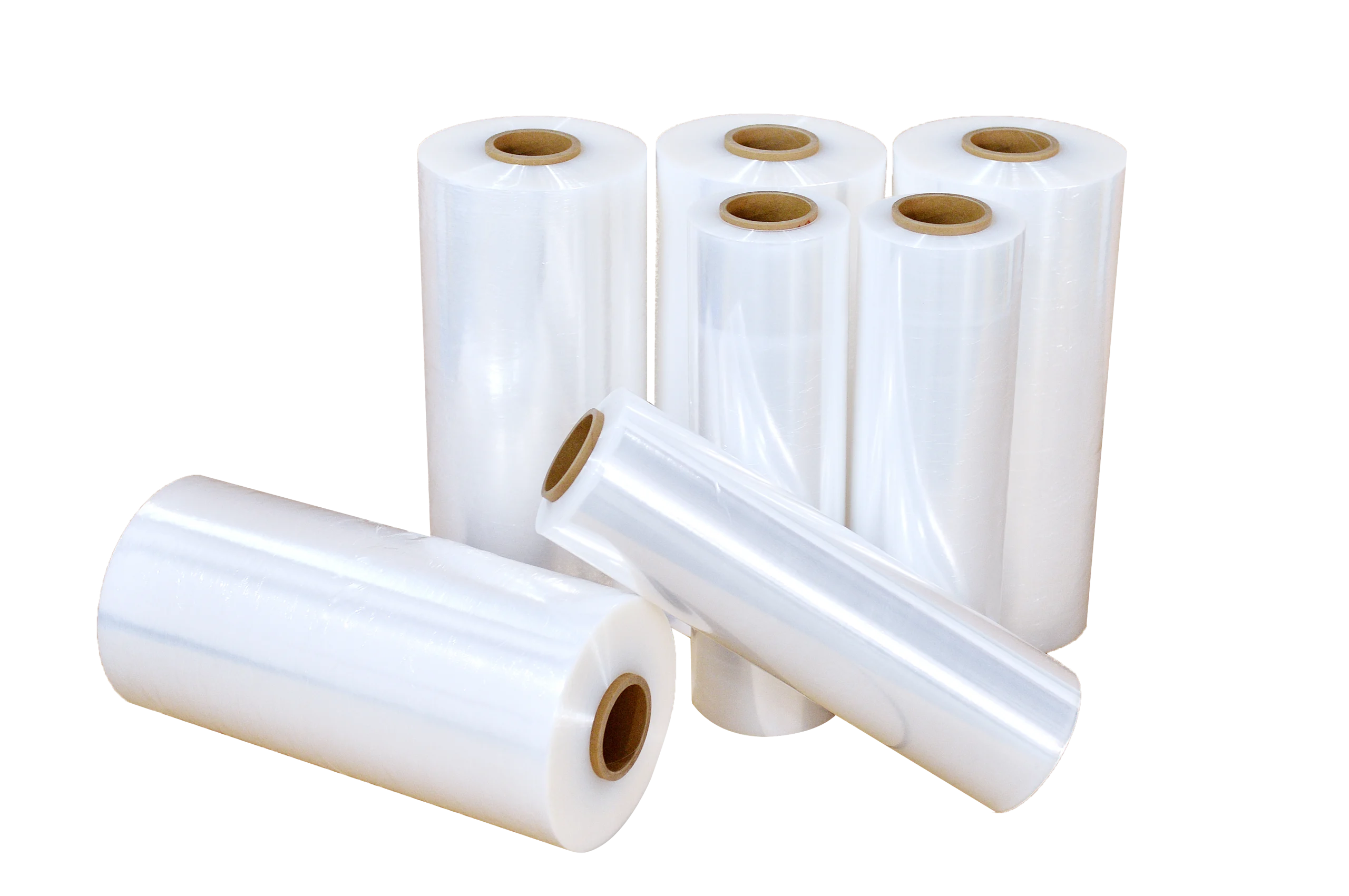
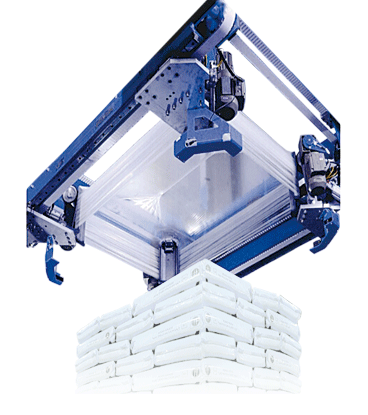
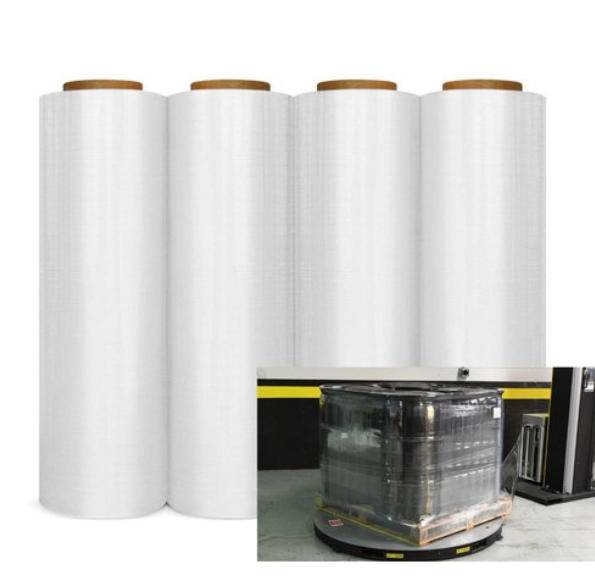
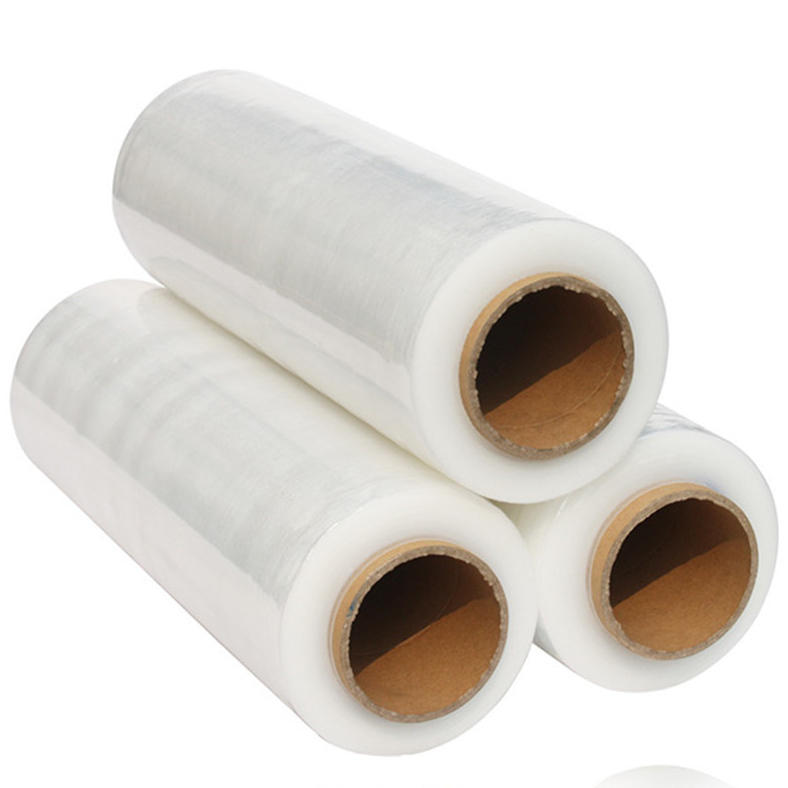
Nano stretch wrap film is primarily a packaging film used for wrapping and securing goods, commonly found in pallet packaging, logistics transportation, warehousing, and industrial product packaging.
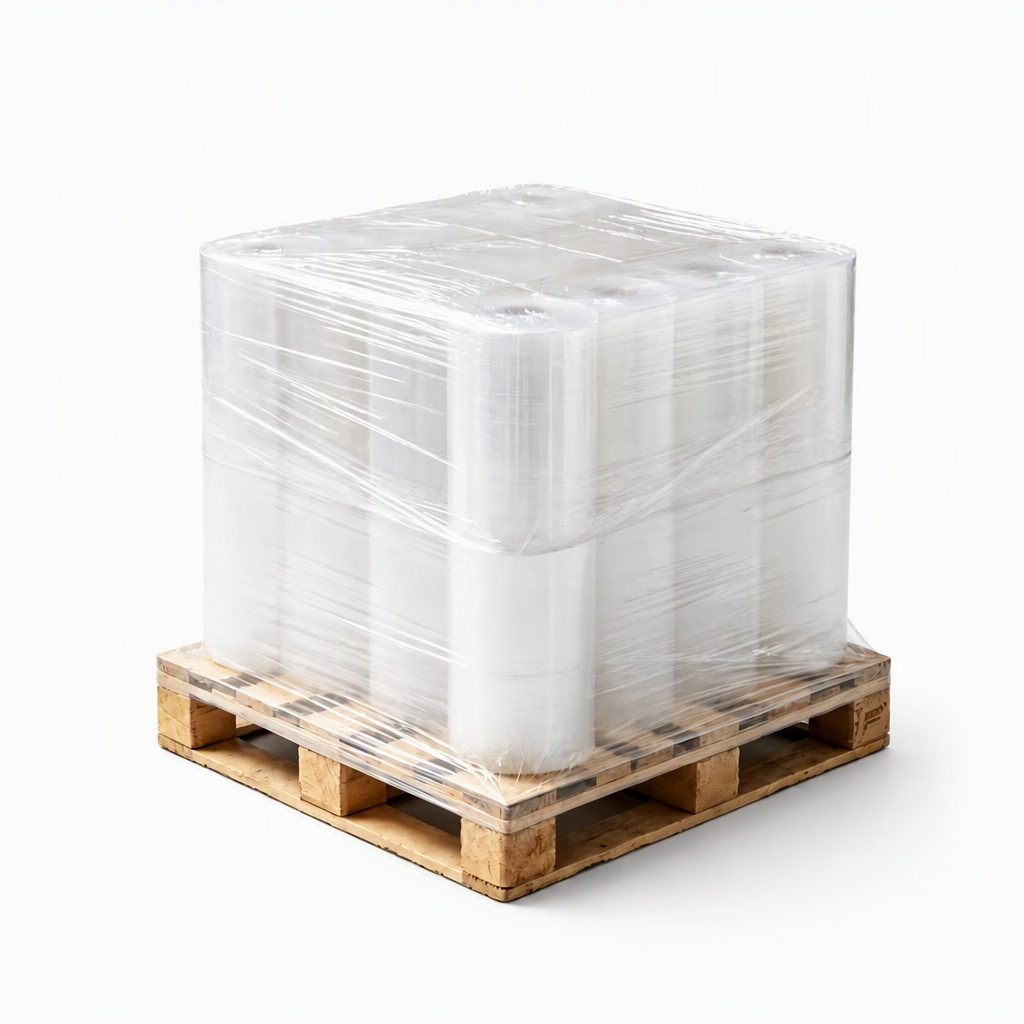
It typically needs to possess good tensile strength, retraction force, puncture resistance, and adhesion properties. During use, the film is stretched and wrapped around the surface of the goods, using its own retraction force to hold the goods together, thereby reducing problems such as loosening, tipping, or shifting of goods during transportation.
Therefore, "nano stretch wrap film" primarily describes a high-performance, thin stretch packaging product.
III. What is the difference between nano-multilayer co-extruded film and nano stretch wrap film?
| Comparison Item |
Nano Multilayer Co-extruded Film |
Nano Stretch Film |
| Core Concept |
Multilayer film structure and co-extrusion technology |
Stretch film designed for wrapping and securing goods |
| Main Focus |
Material structure and overall film performance |
Load securing and packaging performance |
| Typical Applications |
Packaging, industrial films, barrier films, and other applications |
Pallet wrapping, logistics, warehousing, industrial packaging |
| Key Performance Properties |
Strength, toughness, stretchability, puncture resistance, tear resistance, barrier performance |
Stretchability, holding force, cling, puncture resistance, tear resistance, load stability |
| Usage Method |
Depends on the specific film and application |
Manual wrapping or machine wrapping |
| Customization Options |
Layer structure, resin formulation, thickness, layer ratio, width, and other specifications |
Thickness, width, stretch ratio, cling level, roll length, core size, and other specifications |
It's important to note that nano stretch wrap film itself can also be produced using multilayer co-extrusion technology. Therefore, the two are not simply mutually exclusive. A nano-stretch wrap film can very well also be a nano-multilayer co-extruded film.
IV. Why is multilayer co-extrusion technology increasingly emphasized in nano stretch wrap film?
For stretch film, simply reducing film thickness is not sufficient. If the film thickness is reduced, tensile strength, puncture resistance, and packaging stability will significantly decrease, potentially increasing the risk of film breakage and cargo loosening.
Multilayer co-extrusion technology allows for targeted design of film performance through the combination of different material layers.
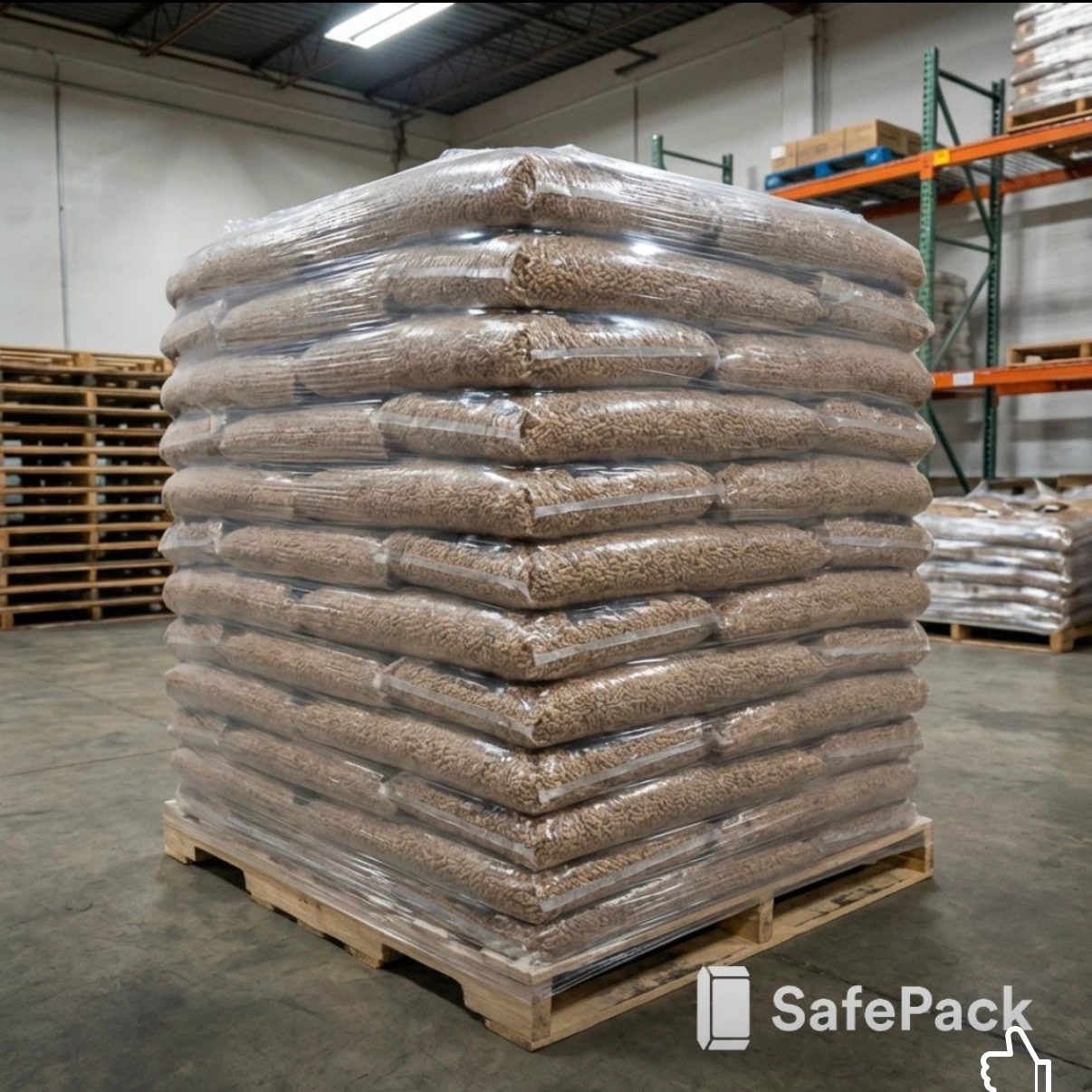
For example, in pallet packaging, a well-designed material structure can reduce the amount of packaging material used per unit while maintaining high tensile strength. For businesses, this means focusing not only on the price per kilogram of film but also on the actual amount of film consumed per pallet.
V. How to Choose When Purchasing?
If a company primarily focuses on film production structure, material properties, and customization capabilities, then when selecting nano-multilayer co-extruded film, it should focus on understanding the film layer structure, raw materials, thickness, tensile strength, and production process.
If a company primarily uses it for pallet securing, logistics transportation, and warehousing packaging, then it should focus on examining the nano cast stretch film's elongation, shrinkage force, adhesion, puncture resistance, and suitability for manual or machine wrapping.
Therefore, when purchasing, one should not only consider the name "nano," but also make a comprehensive judgment based on the actual packaged product, cargo weight, transportation distance, and packaging equipment.
Nano multilayer co-extruded films focus more on optimizing the multilayer structure and material properties, while nano stretch wrap films pay more attention to the packaging effect during wrapping, securing, and transportation. In actual procurement, one should not only judge based on the product name, but also comprehensively consider factors such as thickness, elongation, puncture resistance, adhesion, shrinkage force, and packaging method to select a high-performance packaging film that better meets actual needs.