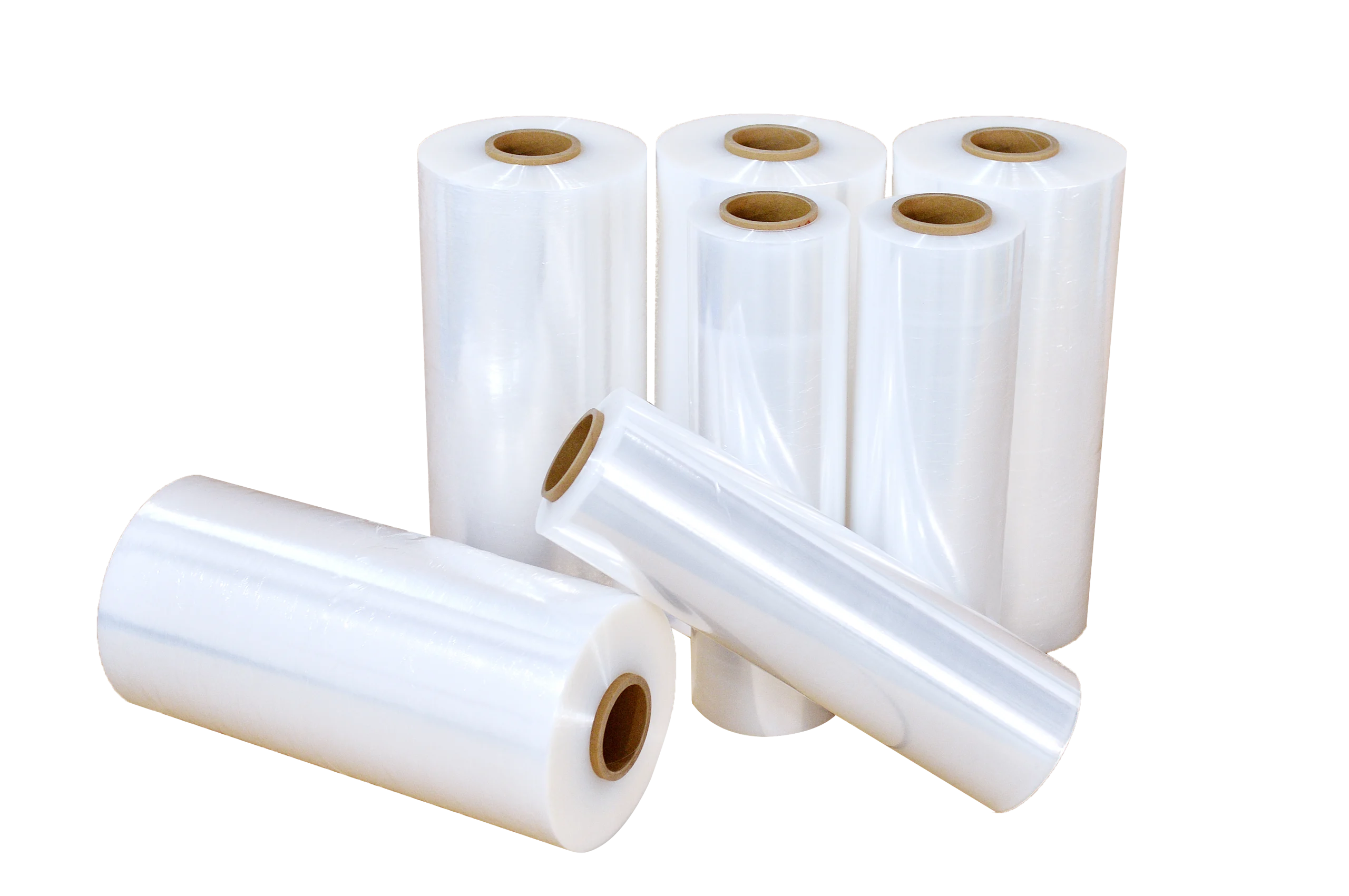
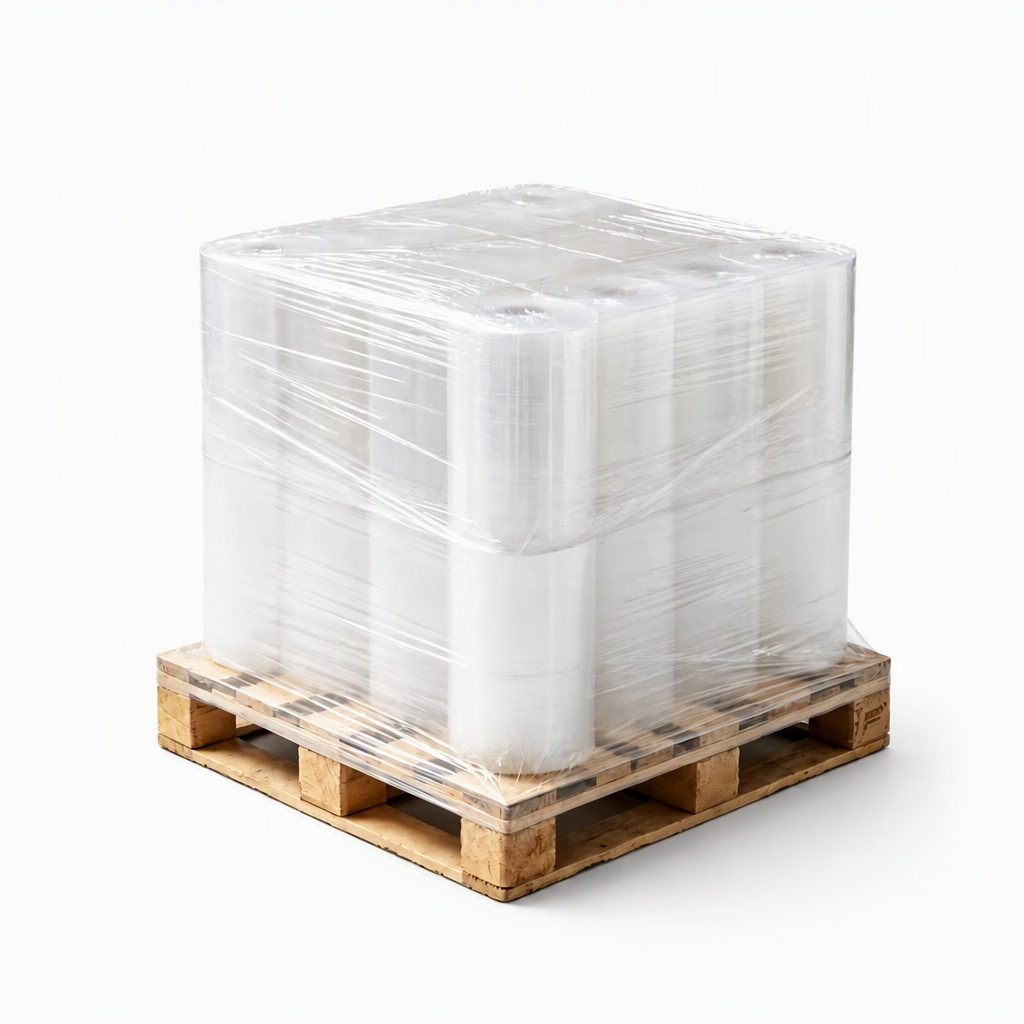
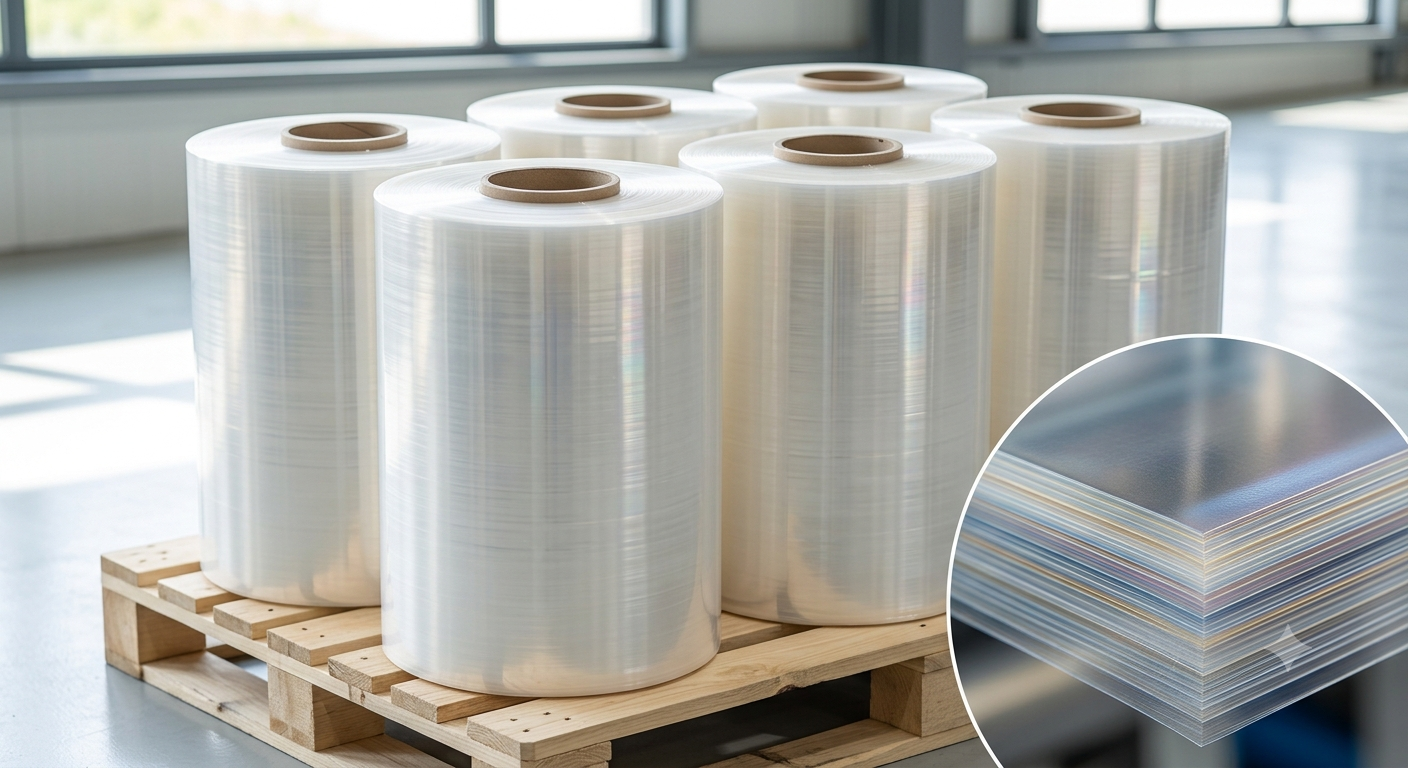
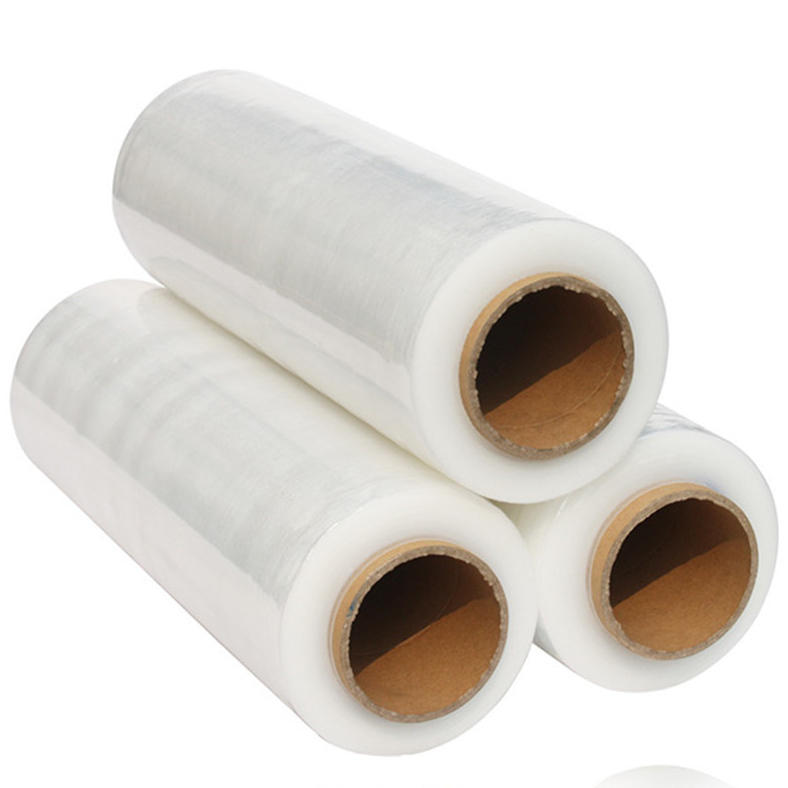
Stretch film is a common consumable in logistics packaging, warehousing, and transportation. However, businesses often face a dilemma when purchasing: what exactly distinguishes nano stretch film from standard stretch film? While both serve to secure goods and provide protection against dust and moisture, they differ significantly in terms of thickness, stretchability, puncture resistance, material utilization, and overall cost. For companies requiring high-frequency packaging and prioritizing efficiency and cost reduction, understanding these differences helps in making the right purchasing decision.
What exactly is nano stretch film?
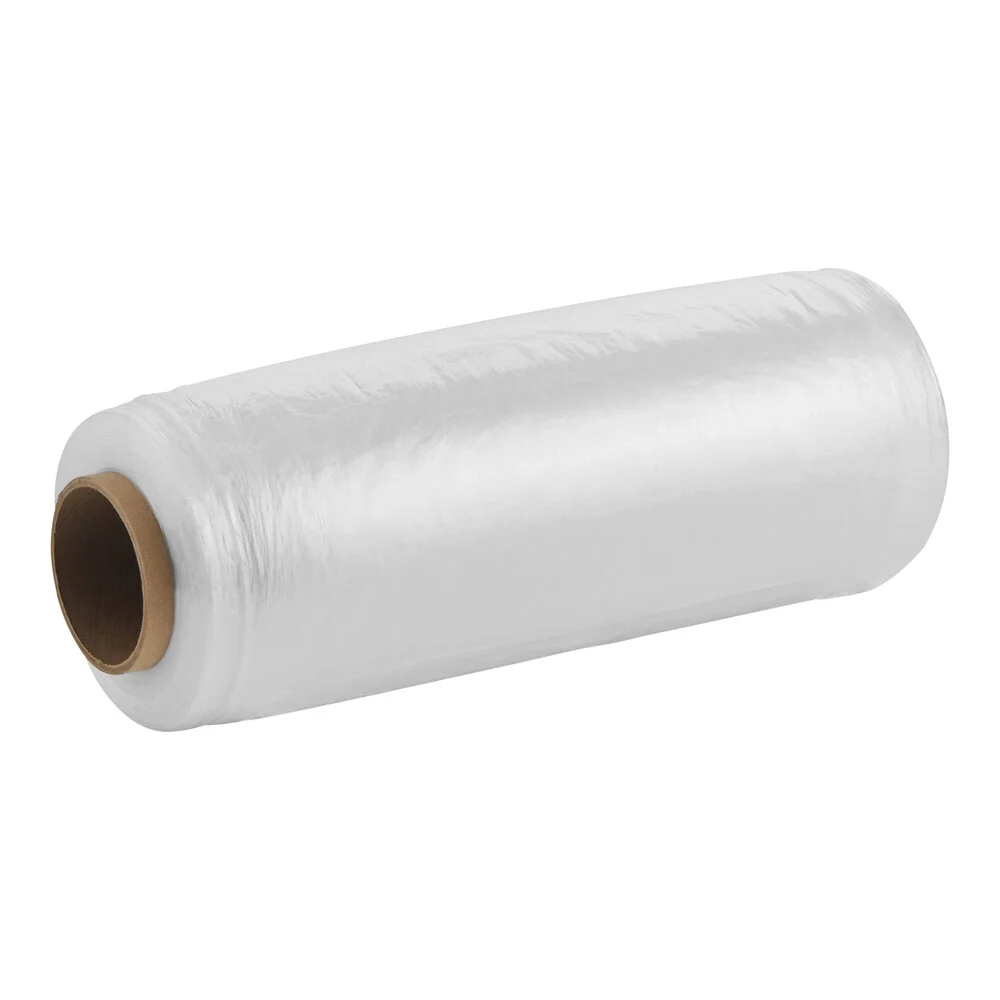
Simply put, nano stretch film is an ultra-thin stretch film produced using advanced manufacturing processes. It achieves reduced material consumption by being thinner and lighter while maintaining excellent stretchability, cling, and puncture resistance. Unlike standard stretch film, which often relies on increased thickness to enhance protection, nano stretch film emphasizes a "thin yet strong" performance profile; it boosts the efficiency of the material through structural optimization rather than simply adding bulk.
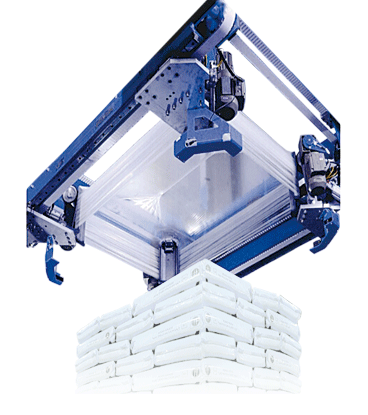
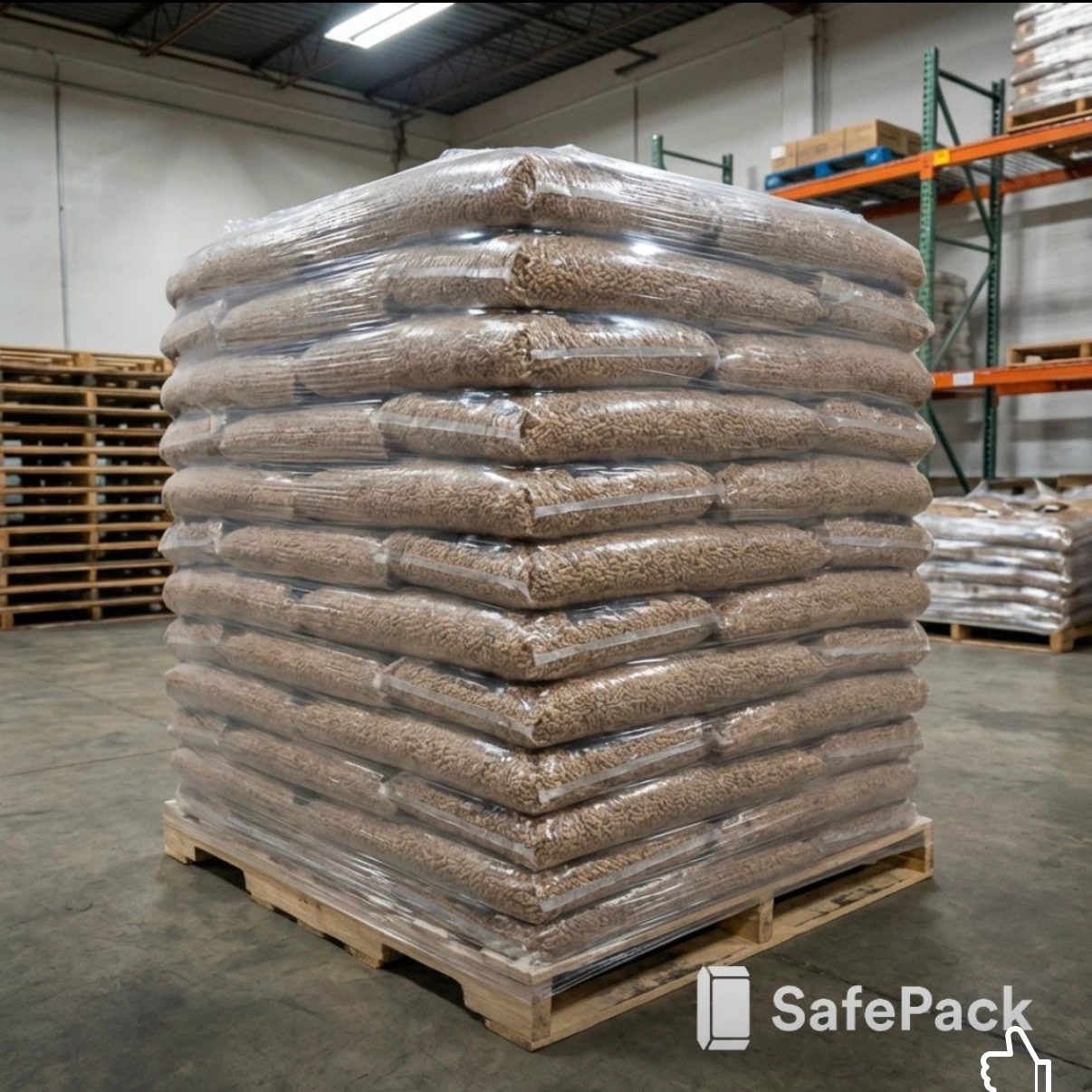
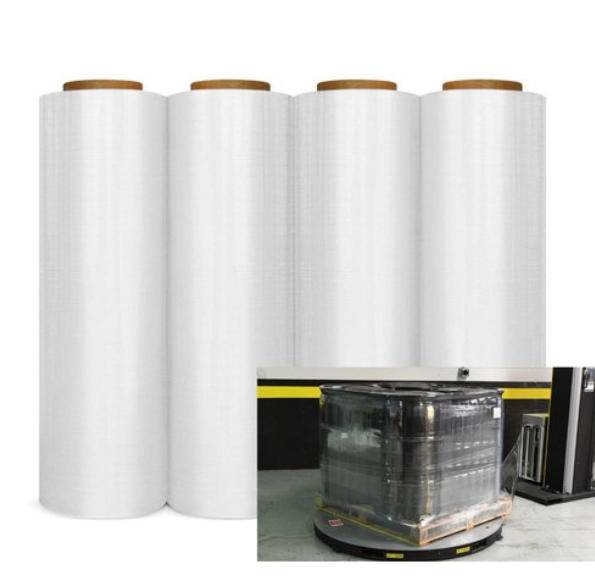
In practical application, nano stretch film allows for reduced film usage and less frequent roll changes while still meeting packaging strength requirements, thereby improving operational efficiency. These advantages are particularly evident in pallet wrapping, machine-applied wrapping, and high-frequency logistics operations.
How do nano stretch film and standard stretch film differ in thickness?
Thickness is the most immediately apparent difference between the two. Standard stretch film typically relies on conventional thickness to maintain strength, whereas nano stretch film achieves comparable—or even superior—protection at a much lower thickness. In other words, standard stretch film tends to "trade thickness for stability," while nano stretch film "trades structure for efficiency."
Data indicates that nano stretch film can be produced in thinner specifications, maintaining strong tensile strength and puncture resistance even with lower material weight. This not only means lighter individual rolls but also implies that businesses can complete more packaging tasks using less material.
Why is nano stretch film thinner yet more durable? The ability of nano-stretch film to be both "thin and strong" stems primarily from optimizations in manufacturing processes and structural design. While conventional stretch films rely largely on material thickness to enhance performance, nano-stretch films typically utilize multi-layer composites, co-extrusion, or nano-scale structural designs to distribute stress more evenly under load. Consequently, despite being thinner, the film maintains excellent performance in terms of stretchability, puncture resistance, and tear resistance.
This is precisely why many enterprises are keen to try nano-stretch film. It is not merely about making the film thinner; rather, it aims to reduce material usage without compromising protective capabilities. This type of "efficiency-oriented packaging" offers significant value for goods with complex shapes (such as those with sharp corners), long-distance transport requirements, or needs for extensive wrapping.
Is there a significant cost difference between nano-stretch film and conventional stretch film?
If looking solely at the price per roll, nano stretch film wrap is not necessarily cheaper—and may even be slightly more expensive. However, when considering total packaging costs, the comparison goes beyond unit price. Because nano-stretch film is thinner, it often reduces the amount of film used per pallet and decreases the frequency of roll changes and manual labor time, thereby demonstrating a comprehensive cost advantage in high-volume packaging operations.
Conventional stretch film offers the advantages of low procurement barriers, widespread application, and established usage habits, making it suitable for scenarios with limited budgets or moderate packaging requirements. Nano-stretch film, conversely, is better suited for enterprises with high logistics volumes, rapid consumable turnover, and a desire to optimize packaging efficiency. In short, conventional stretch film represents a standard solution, whereas nano-stretch film represents an efficiency upgrade.
How should enterprises make their selection?
When selecting a product, enterprises should look beyond mere "thinness" or "low price" and consider the characteristics of the goods and the specific usage scenario. If the goods are lightweight, cost-sensitive, and do not require high packaging strength, conventional stretch film usually suffices. However, for palletized goods, heavy loads, frequent loading and unloading, or scenarios demanding higher packaging efficiency, nano-stretch film is often the superior choice.
Additionally, procurement decisions should take into account factors such as stretch ratio, tackiness, puncture resistance, thickness uniformity, and compatibility with automated wrapping equipment. A truly high-quality stretch film is not defined by a single parameter; rather, it is one that strikes the right balance between cargo protection, material savings, and operational efficiency.
The distinction between nano stretch film and conventional stretch film goes beyond mere differences in thickness; it lies in material structure, usage efficiency, and overall cost-effectiveness. Conventional stretch film is well-suited for standard packaging needs, whereas nano stretch film is ideal for enterprises aiming to reduce costs, boost efficiency, and minimize material waste. When selecting the right product, the key is to consider factors such as cargo weight, packaging frequency, and the transportation environment. Huangshan Yuandian remains dedicated to optimizing packaging solutions, striving to provide businesses with more efficient and cost-effective approaches to stretch film application.