



2026-08-31
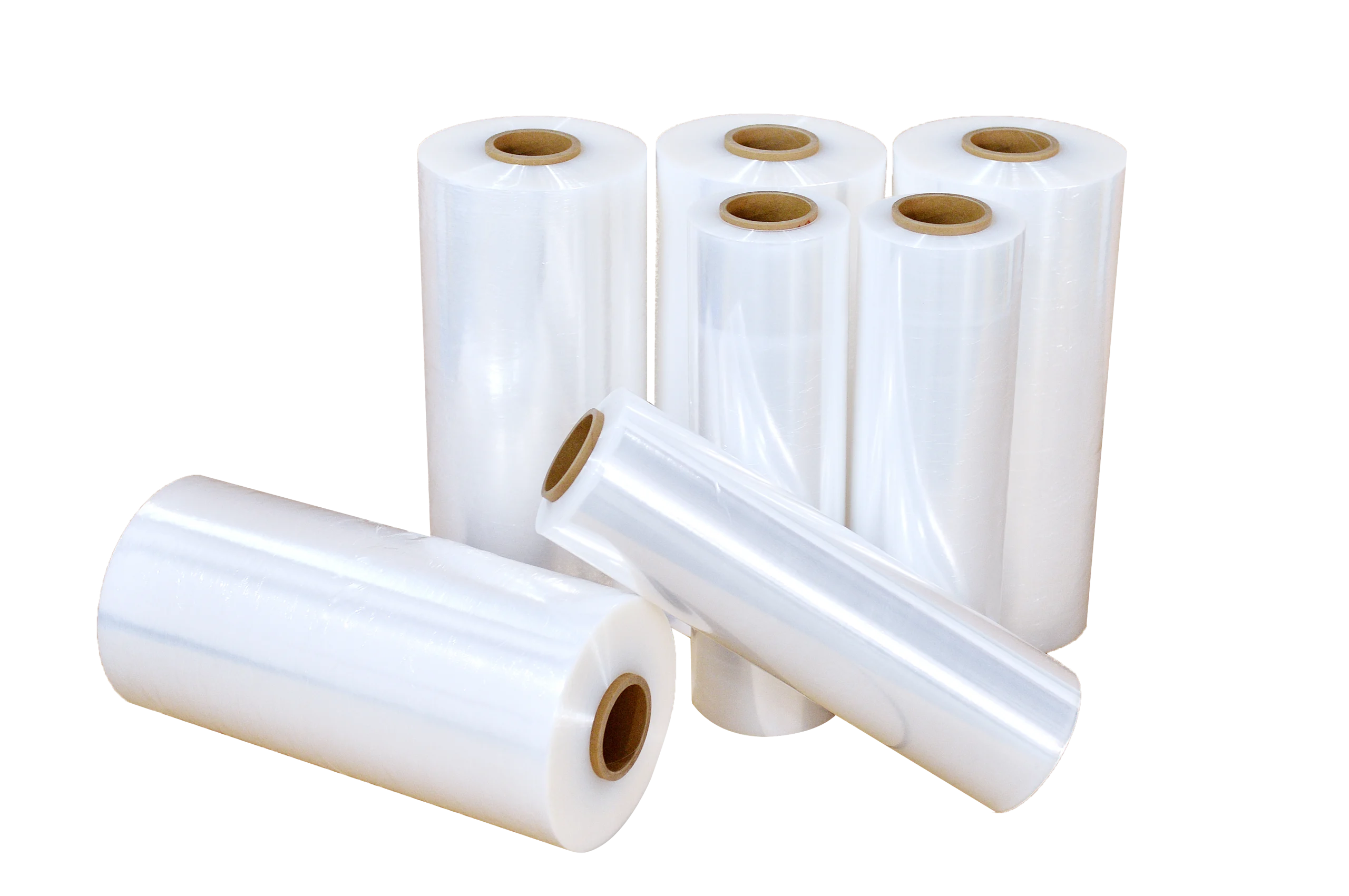
When a pallet collapses during transit or stretch film snaps mid-wrap, the instinctive reaction for many procurement managers is simple: "We need a thicker film."
It seems logical. If a 15-micron film breaks, upgrading to a 20-micron or 23-micron film should solve the problem, right?
This common misconception often leads to higher packaging costs without actually fixing the tearing issue. In modern industrial packaging, thicker stretch film does not automatically equal better puncture resistance or break prevention.
Let’s break down the material science behind stretch film performance and explore why toughness, molecular structure, and advanced extrusion technology matter far more than mere thickness.
To understand why thicker film can still fail, we need to separate physical thickness from material toughness.
Think of standard glass versus bulletproof glass. Standard glass can be thick and heavy, yet it shatters easily under a sharp impact. Bulletproof glass, on the other hand, utilizes thin, highly engineered, multi-layered materials that absorb and dissipate energy.
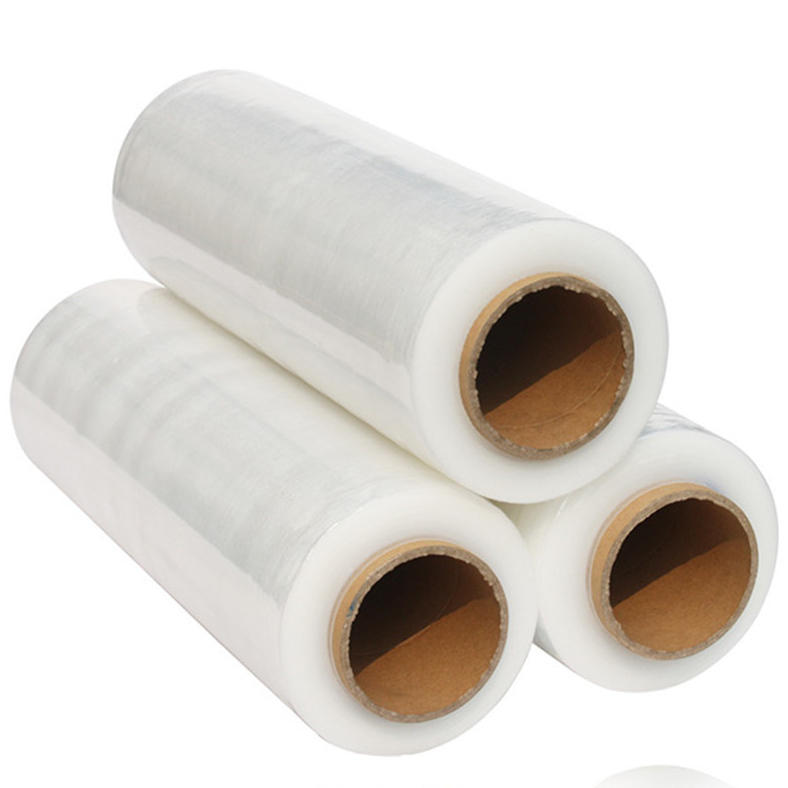
The same principle applies to LLDPE stretch film. A heavy, single-layer thick film made from low-grade resins or recycled scrap can be brittle. When stretched, it lacks the elasticity needed to absorb sudden tension spikes or resist sharp pallet edges.
Film breakage during wrapping or transport is usually caused by two main factors:
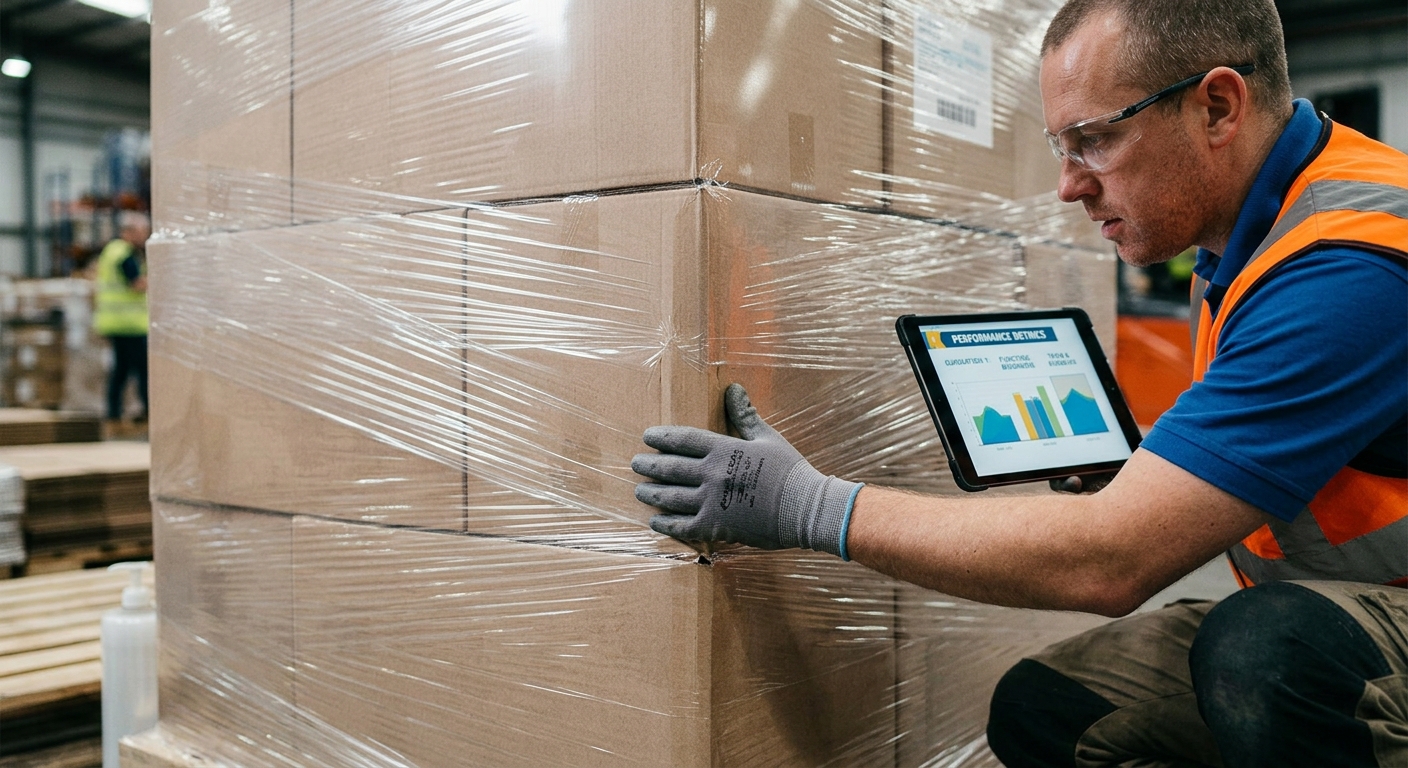
Instead of focusing solely on gauge/microns, professional buyers should evaluate these three essential mechanical properties:
|
Key Performance |
Technical Definition |
Practical Impact on Packaging |
|
Ultimate Break Elongation |
The maximum percentage the film can stretch before snapping. |
Prevents Sudden Tears: Provides high flexibility to absorb sudden load shifts and bumps during transport without breaking. |
|
Puncture Resistance |
The amount of force required for a sharp edge (e.g., wooden pallet corner, sharp box edge) to pierce the film. |
Stops Tear Propagation: Prevents micro-punctures from expanding into full-roll tears or pallet collapses. |
|
Tensile Strength |
The maximum pulling stress the film can handle in both Machine Direction (MD) and Transverse Direction (TD). |
Secures Heavy Loads: Delivers consistent, long-term holding force (tight load containment) to keep cargo stable throughout transit. |
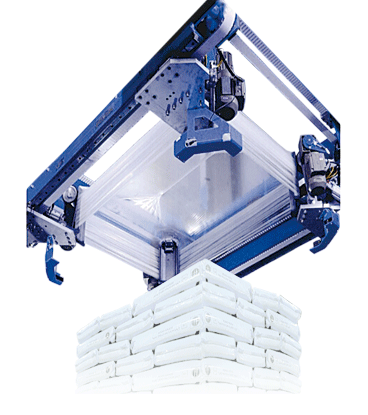
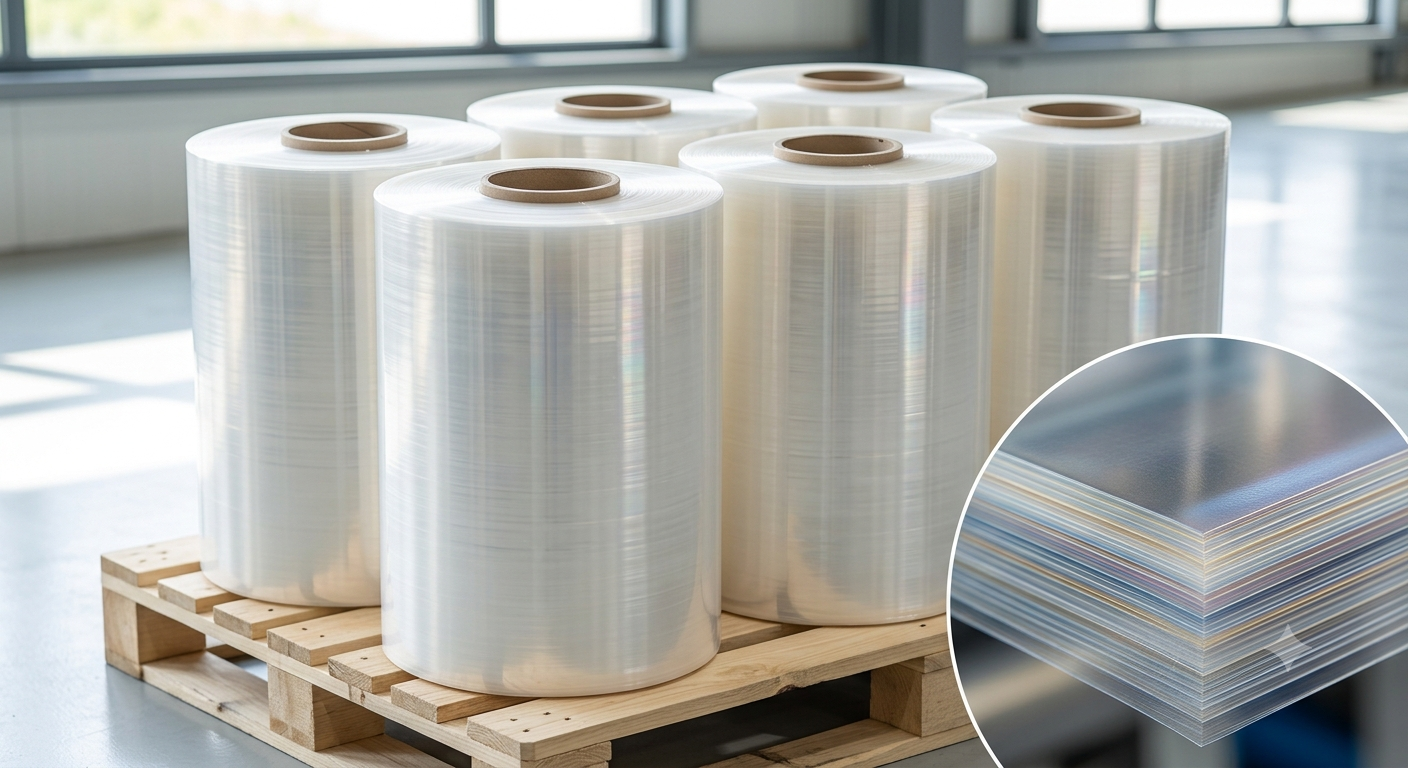
Driven by both cost-efficiency and sustainability goals, the global packaging industry is shifting rapidly toward down-gauging. Modern manufacturing allows companies to use significantly thinner stretch films that deliver superior load containment compared to traditional thick films.
At our manufacturing facility, we leverage state-of-the-art multi-layer co-extrusion and nano-technology to produce high-performance, ultra-thin stretch wrap.
Switching from traditional thick stretch wrap to high-toughness, down-gauged film delivers tangible ROI for warehousing and logistics operations:
Don't let the "thickness trap" inflate your industrial packaging budget. The key to secure transport lies in choosing a stretch film engineered with advanced resins, superior tear resistance, and multi-layer technology.
Looking to optimize your pallet wrapping costs without sacrificing load stability?
[Contact YD PACK] today to request free samples, custom spec consultations, or a personalized cost-per-pallet optimization analysis!
More News
2026-09-24
2026-09-24
2026-09-22
2026-09-10
2026-08-31
2026-08-31
2026-08-26
2026-08-26


