In every link of industrial packaging, warehousing and logistics, stretch film is an indispensable “invisible guardian”. Although it seems simple, it can provide key protection for the safe storage and efficient transportation of goods. Today, we will comprehensively analyze the core value, selection skills and industry applications of stretch film, and teach you how to achieve packaging cost optimization through scientific evaluation.
- Understanding Stretch Film: A “Basic Necessity” in Packaging
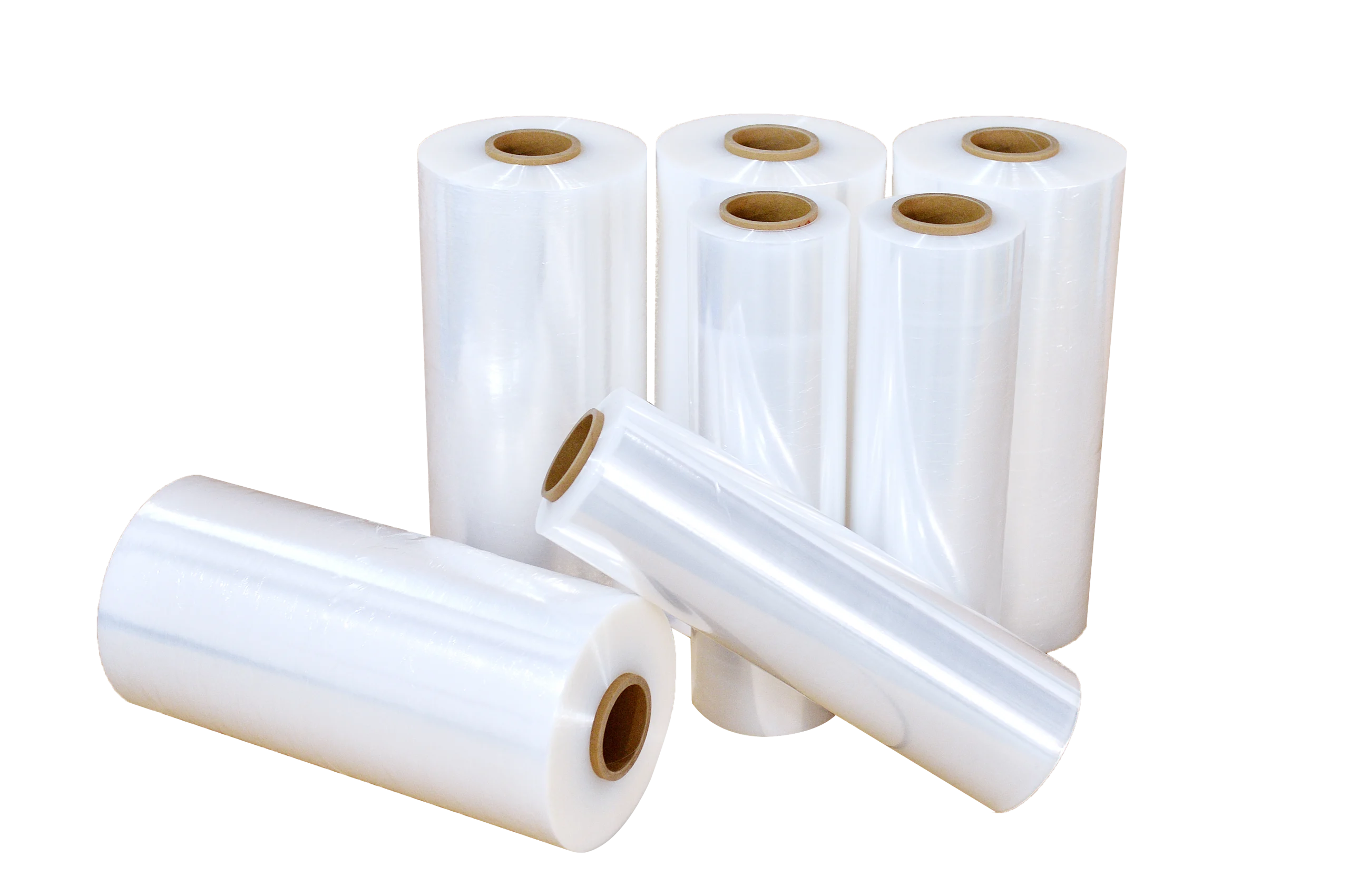
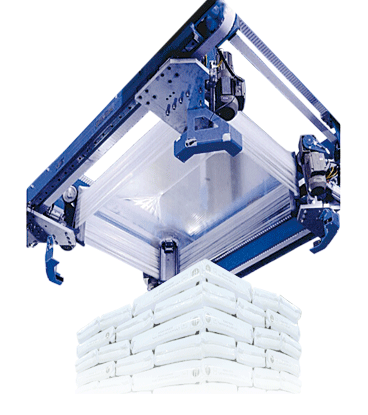
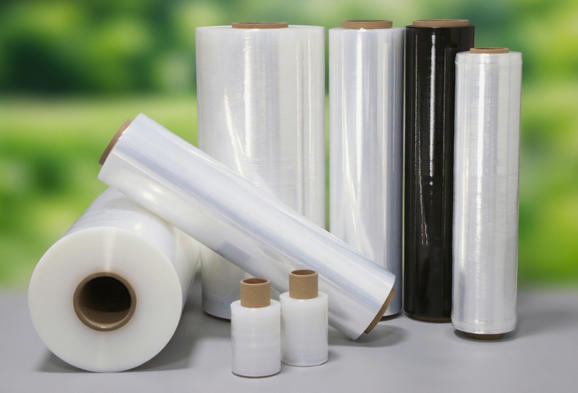
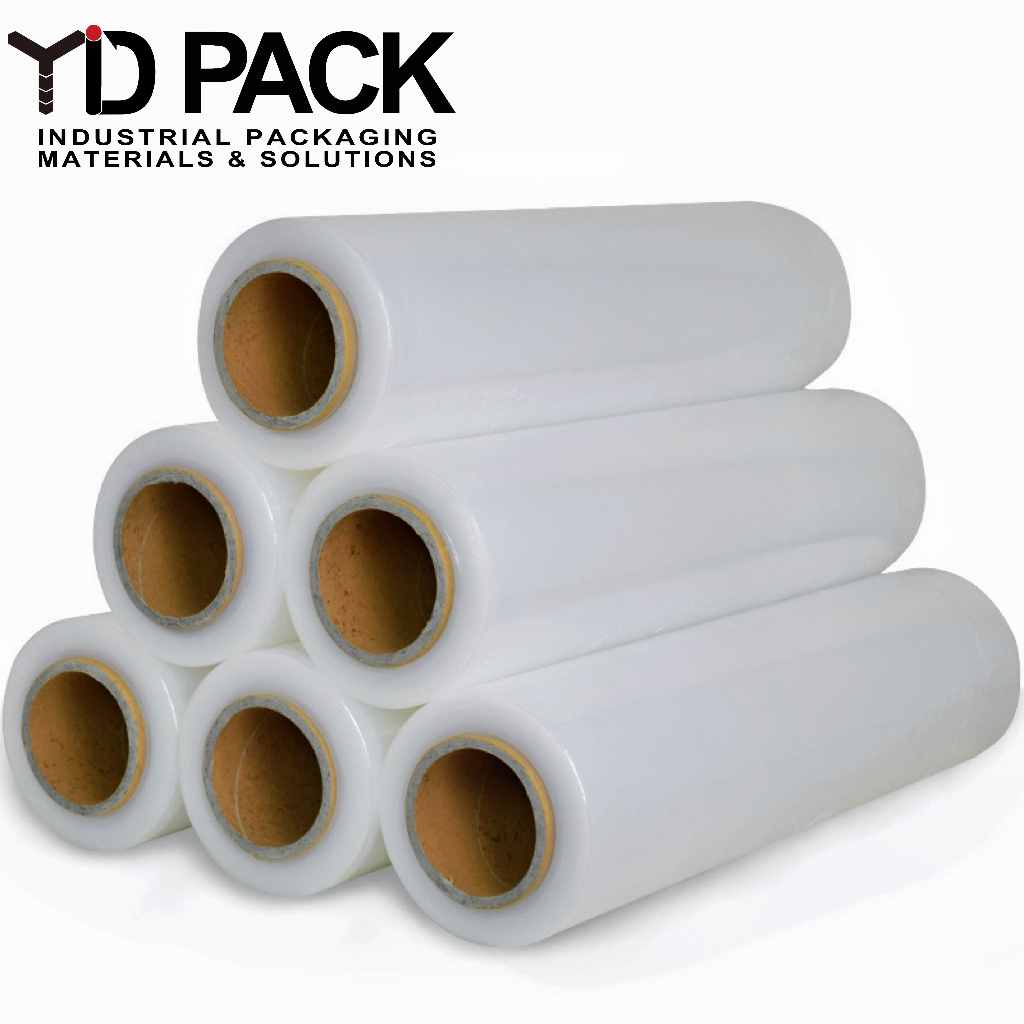
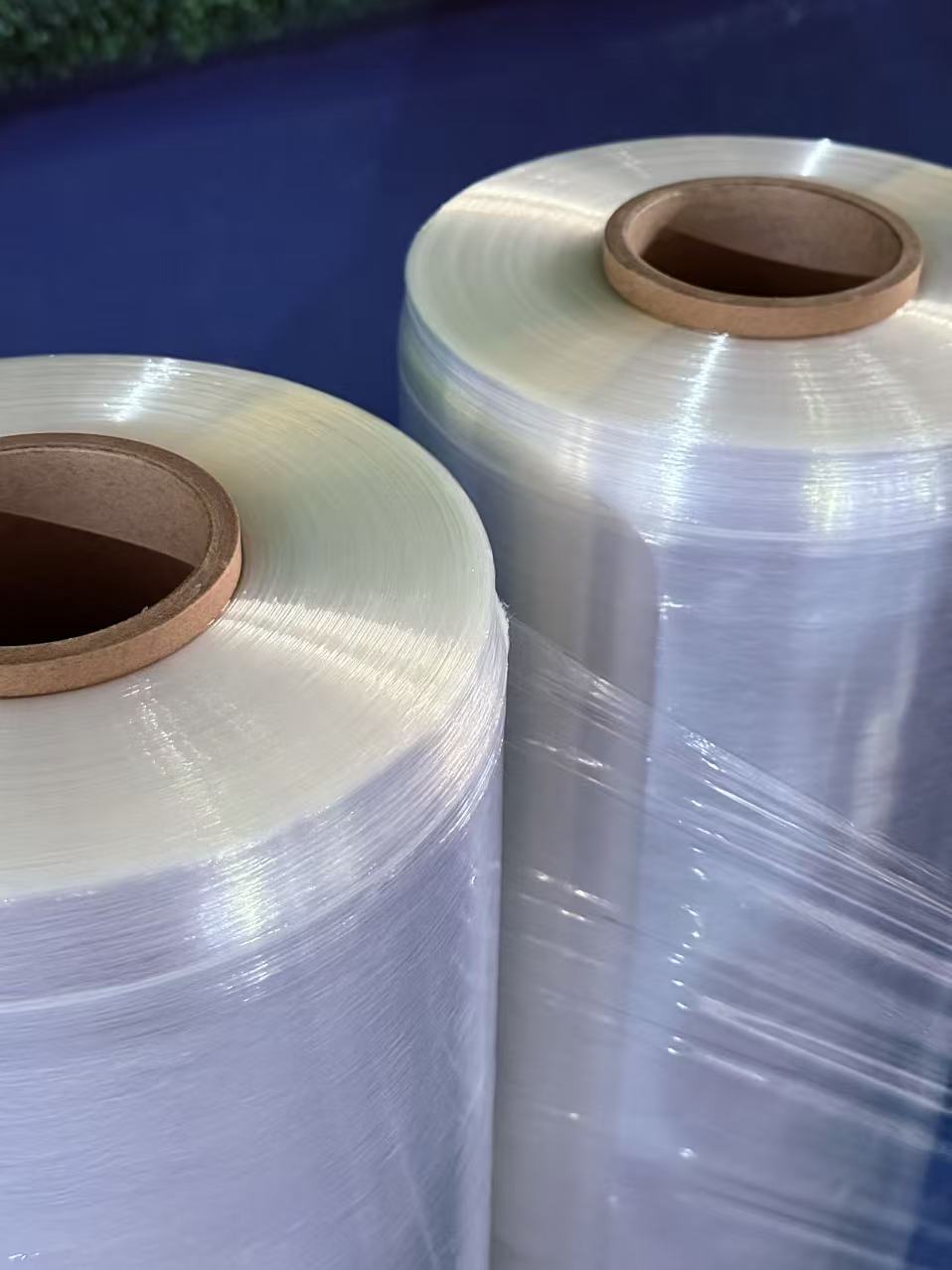
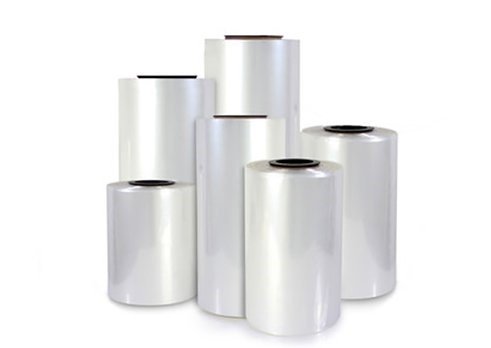
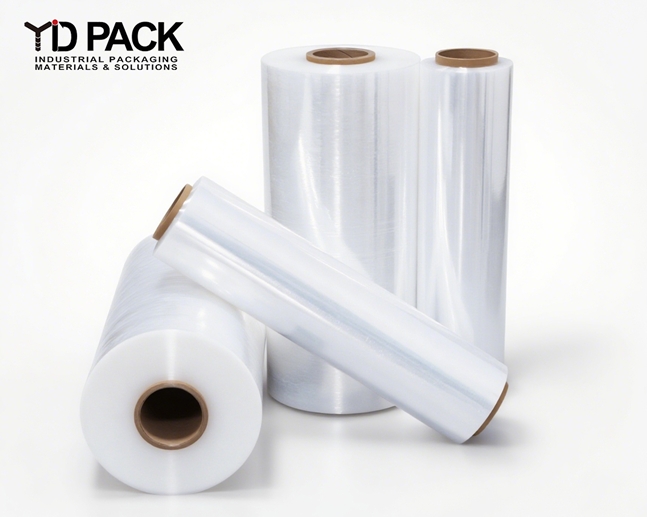
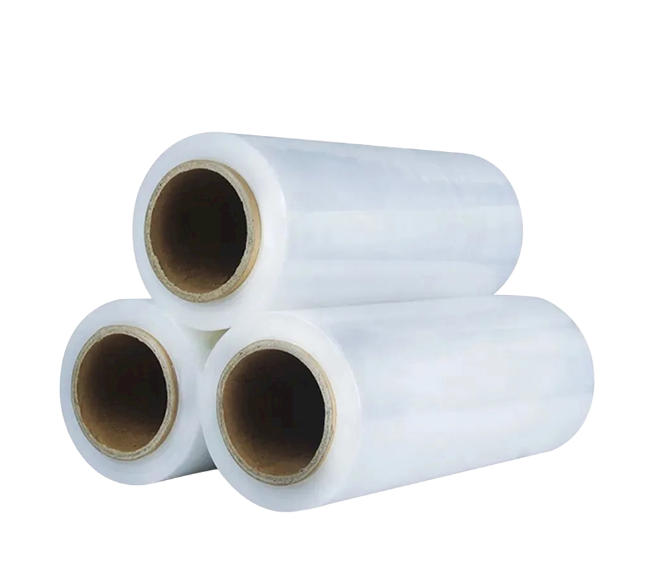
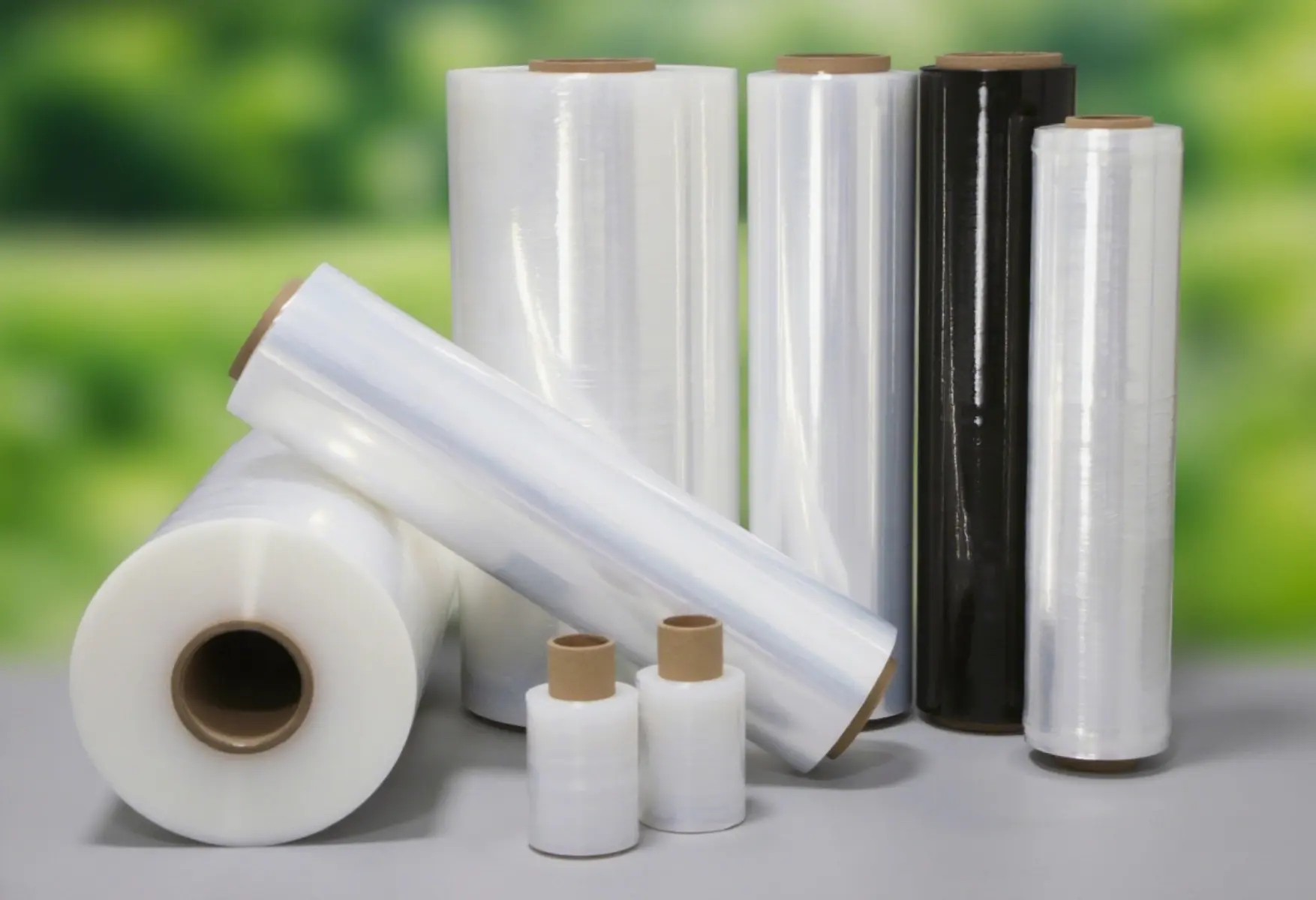
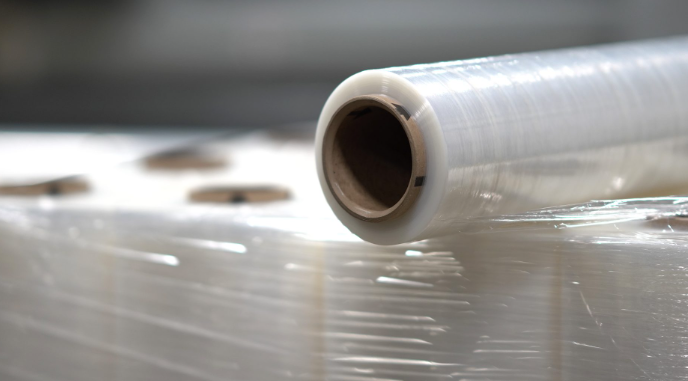
Stretch film, also known as stretch wrap film, is a type of plastic film specially used for wrapping and securing palletized goods. With its unique characteristics, it has become one of the most widely used materials in modern industrial packaging.
Key Benefits of Stretch Film:
- Product Protection: It forms a tight protective layer, effectively preventing dust, dirt and moisture, and isolating the impact of the external environment on goods.
- Load Stability: By securing products to the pallet, it helps prevent goods from shifting and collapsing due to bumps and tilts during transportation.
- 经济高效: Compared with other packaging materials, stretch film has lower material costs, is easy to use, and does not require complex equipment.
- 多功能性: Whether it is fragile goods, light goods, heavy equipment or large pallets, stretch film can be flexibly adapted.
- Factors to Consider When Choosing Stretch Film
Choosing the right stretch film can not only improve the packaging effect, but also reduce comprehensive costs.
- Film Gauge (Thickness): The thicker the film, the stronger the tensile and puncture resistance. Thin films can be selected for ordinary light goods, while thicker films are required for heavy or fragile goods to avoid film breakage.
- Film Type: Hand film is suitable for small-batch, decentralized manual packaging, while machine film adapts to automatic packaging equipment for large-batch production.
- Load Type: Pallet size directly affects the width and length specifications of stretch film. The type of goods (heavy vs. fragile) also determines the performance requirements of the film.
- Environmental Considerations: With the advancement of sustainability goals, recyclable and degradable stretch films can help improve a brand’s environmental image.
- Stretch Film Applications Across Industries
With its versatility, stretch film has penetrated into many industries:
- Manufacturing Industry: Packaging, storage and turnover of finished and semi-finished products, connecting production and warehousing.
- Warehousing & Distribution: Centralized packaging of goods before delivery to ensure goods are intact during transportation.
- E-commerce: Adapting to the needs of fast turnover and multi-category delivery for online orders.
- 食品和饮料: Providing dust-proof, moisture-proof and pollution-proof protection for food pallets while maintaining hygiene.
- Have You Conducted a Stretch Film Evaluation?
In practical applications, many enterprises’ understanding of stretch film is still at the level of “as long as it can be used”. Blindly choosing low-cost ordinary film often leads to high film breakage and goods damage rates, resulting in film waste and labor loss. Scientific stretch film evaluation is the key to solving these problems.
- High-Performance Film vs. Commodity Film
Not all stretch film is created equal. Many enterprises will hesitate between “high-performance film” and “commodity film”.
- 高性能薄膜: This film has stronger adhesion, puncture resistance and tensile strength, making it not easy to break or damage. It is suitable for scenarios with high protection requirements (heavy/fragile goods) and can lower long-term comprehensive costs.
- Commodity Film: This film has a lower cost but moderate adhesion and tensile strength. It is suitable for conventional light goods. If used in high-requirement scenarios, it is prone to film breakage and goods damage, which will increase hidden costs instead.
- Cost Optimization: Saving More Than Just Film Costs
Choosing the right stretch film (such as high-performance film) can achieve cost optimization in many aspects:
- Film Cost: High-performance film has better stretchability and a higher utilization rate, requiring less dosage under the same packaging needs.
- Labor Cost: Because it is not easy to break and easy to operate, it can reduce rework and waiting time, improving efficiency and reducing labor costs.
- Goods Damage Cost: Stronger protection performance effectively reduces the damage rate of goods during transportation, reducing losses caused by returns and replacements.
- How to Conduct a Scientific Evaluation
To choose the right stretch film and achieve precise cost reduction, evaluate the following core factors:
- Product Weight and Size: Determine the specifications such as film thickness and width to avoid waste.
- Transportation Environment: If there are many bumps and long distances, a film with stronger tensile and puncture resistance should be selected.
- Packaging Goals: Clarify if your core need is to reduce cost, improve stability, or reduce film dosage for environmental protection.
- YD Pack: Your Professional Packaging Solution Provider
With years of experience in the industrial packaging field, YD Pack has a core team with more than 25 years of industry experience.
We provide stretch film products with both performance and cost advantages, rejecting “high price and low efficiency” and “low price and high consumption”. By customizing packaging solutions according to enterprise scenarios, we help businesses reduce packaging costs, reduce goods damage, and improve logistics efficiency.
Call to Action
If you are facing problems such as confusion in stretch film selection, high packaging costs, and high goods damage rates, please contact YD Pack. We will provide exclusive customized packaging solutions to help you achieve efficient, cost-reducing and safe upgrading of the packaging link!