
关于我们
产品
支持服务
联系我们
-
+86 18255987261 -
+8618255987261 -
Sales@hsydpac.com -
中国安徽省黄山市徽州区城北工业园区永新一路46号
2026-03-16
If you are storing, selling, or shipping products, knowing how to wrap a pallet is a fundamental logistics skill. Proper pallet wrapping ensures your goods arrive at their destination safely without shifting or falling over during transit.
However, there is a big difference between simply covering a pallet and achieving professional load containment.
In this guide, we will cover:

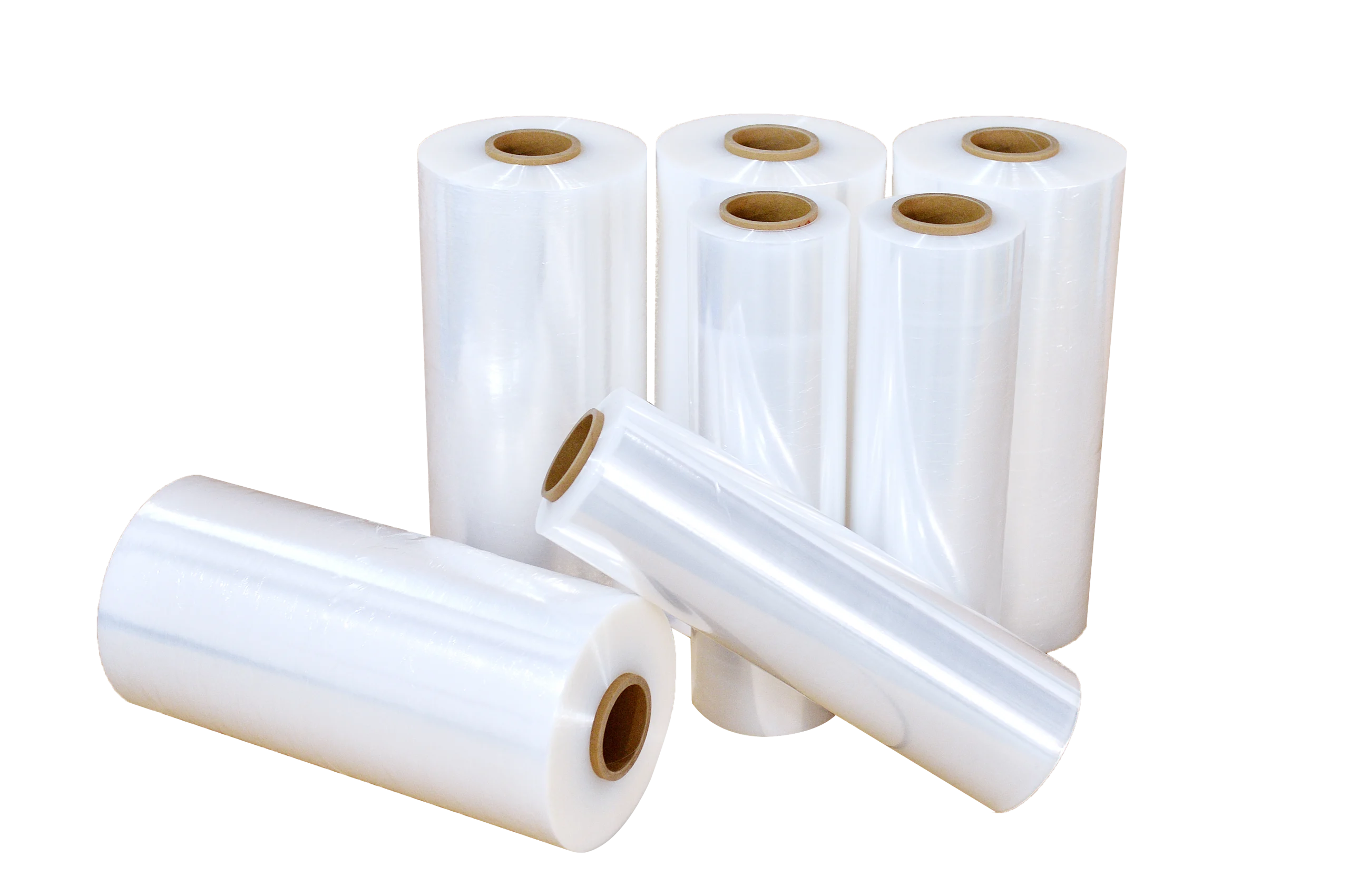
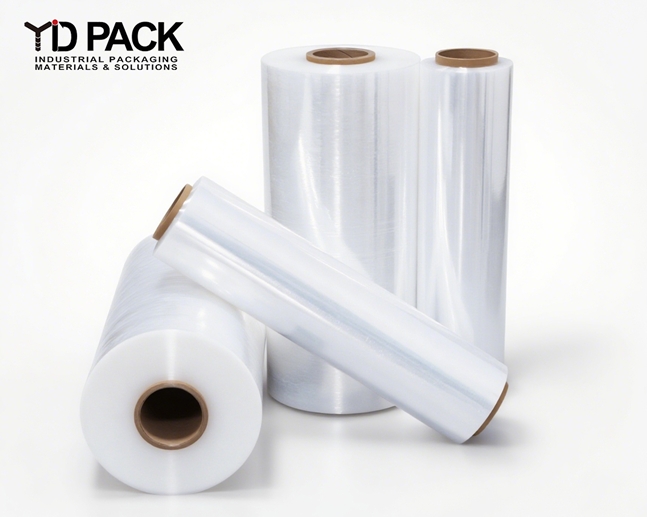
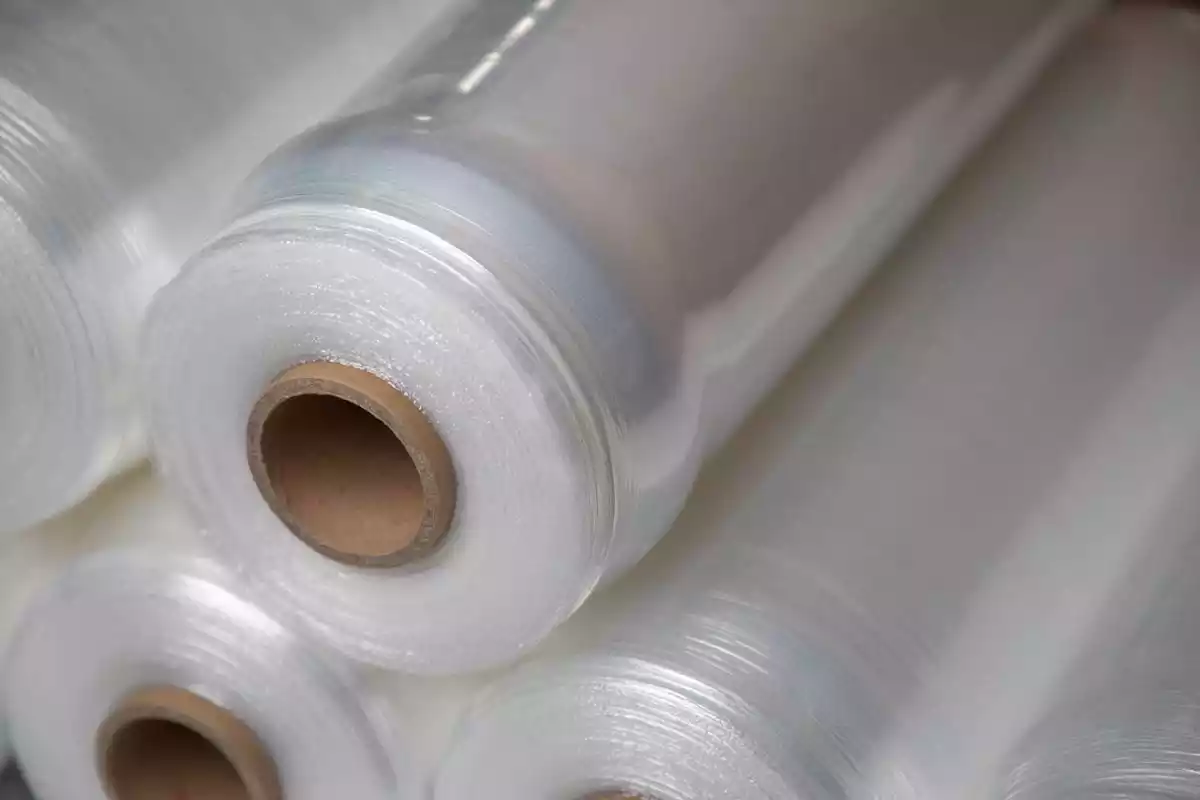
While many businesses use pallet wrapping machines, many warehouses still rely on 手用拉伸膜.
Follow these steps to wrap a pallet correctly.
Start with a pallet that is in good condition.
Make sure there is enough space (about 5–6 feet) around the pallet so workers can move freely while wrapping.
Stack your boxes as neatly as possible, similar to a game of Tetris.
Best practices include:
Avoid stacking the pallet too high to maintain stability during transport.
Peel a few inches of film from the roll.
Tuck the film under a corner of the pallet or a bottom box to create a secure starting point.
This anchor prevents the film from loosening during wrapping.
Walk around the pallet while holding the film roll vertically.
Key wrapping tips:
专业提示: Tight corners improve puncture resistance and load stability.
Once you reach the top:
This ensures the pallet remains tightly secured during transport.
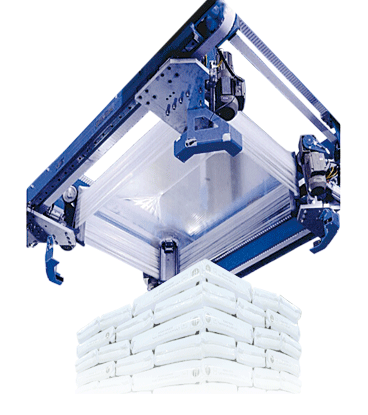
As shipping volumes increase, manual pallet wrapping can become slow and inconsistent. Many growing warehouses eventually switch to pallet wrapping machines to improve efficiency and achieve more stable load containment.
Machine wrapping applies more consistent stretch force and wraps pallets much faster than manual methods. Because of this, the performance of the stretch film becomes even more important in automated operations.
Most warehouses still use conventional 5-layer or 7-layer stretch film.
The problem occurs when the film is punctured.
If a sharp pallet corner creates a hole, the tear can quickly spread across the entire pallet wrap. This is known as the “Zipper Effect.”
This often leads to:
When pallets are wrapped by machine, stretch film must withstand higher tension, faster wrapping speeds, and continuous operation.
Under these conditions, traditional stretch films often reach their performance limits. Film breakage, tearing, and unstable load containment can interrupt production and increase packaging costs.
For this reason, many warehouses are upgrading to nano stretch film designed specifically for machine pallet wrapping.
Instead of using thick, heavy film, 纳米拉伸膜 uses advanced high-layer co-extrusion technology.
By distributing the material across 55 micro-layers, the film becomes significantly stronger and more flexible than traditional stretch film.
Unlike conventional film, if a 55-layer nano film develops a small puncture, the tear remains localized instead of spreading across the pallet.
Even thinner nano film can hold heavy pallet loads more securely than thicker traditional film.
Many companies replace 23-micron traditional film with 12-micron nano film, reducing plastic usage while maintaining load stability.
Using less plastic per pallet helps reduce packaging waste and carbon footprint.
|
特征 |
Conventional Film |
55-Layer Nano Film |
|
Structure |
5–7 thick layers |
55 micro-layers |
|
Puncture Risk |
High (Zipper Effect) |
Very low |
|
Plastic Usage |
Heavy and wasteful |
Thin and efficient |
|
Machine Performance |
Frequent breaks |
Consistent and stable |
Manual pallet wrapping is a good starting point, but high-volume shipping operations require more reliable packaging solutions.
Upgrading to 纳米拉伸膜 can help improve:
在 YD 包装, we specialize in 55层纳米拉伸膜 designed to protect cargo while reducing packaging costs.
Whether you wrap pallets by hand or with automated machines, our films deliver reliable stretch performance and strong load containment.
联系我们 YD 包装 today for a free quote and a custom downgauging recommendation for your warehouse.
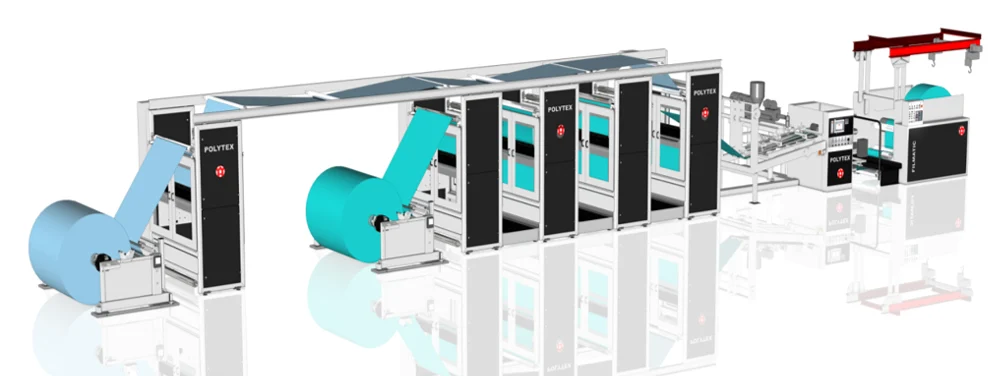
YD PACK 将安装最新版本 67层纳米拉伸膜生产线 今年。敬请期待下一代纳米拉伸薄膜。.
下一页:没有了
更多新闻
2026-03-16
2026-03-10
2026-03-09
2026-03-02
2026-02-24
2026-02-13
2026-02-08
2026-02-10