


2025-12-27
Not all pallets behave the same in transit. This guide explains A, B, and C pallet load types, how load stability differs, and why misclassification leads to shifting, damage, and transport failure.
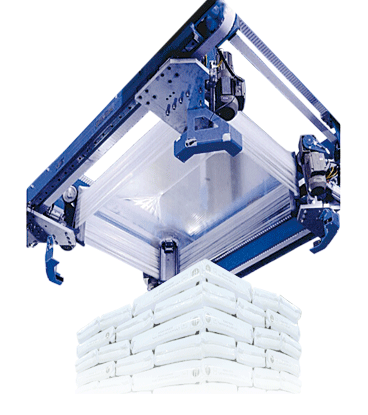
Two pallets may leave the warehouse looking identical—wrapped on the same machine, using the same settings and stretch film. Yet one arrives intact, while the other shows leaning cartons, shifted products, or damaged packaging.
In most cases, the issue is not the wrapping equipment or the operator.
The root cause is the inherent stability of the pallet load itself.
Every pallet reacts differently to transport forces such as acceleration, braking, vibration, and stacking pressure. These forces exist in all supply chains, regardless of region or transport mode.
Classifying pallet loads into A, B, and C types provides a practical framework for identifying risk before shipment, rather than after damage occurs.
Correct pallet load classification is the foundation of consistent load stability, reduced damage, and predictable transport performance.

Type A loads are the most stable pallet configurations commonly found in manufacturing and distribution environments. Their structure offers natural resistance to movement—even before stretch wrapping is applied.
Key Characteristics
Common Examples
Beverage cases, reams of paper, pharmaceutical cartons, tightly packed food products, uniform consumer goods.
Load Behavior
Type A loads are largely self-supporting. They maintain their shape during handling and transport, with minimal internal movement. When wrapped correctly, these pallets typically remain square and upright throughout transit.

Type B loads represent the majority of pallets in real-world distribution operations. These mixed loads introduce variables that increase the likelihood of movement.
Key Characteristics
Common Examples
Retail mixed-SKU pallets, e-commerce order consolidation, grocery distribution pallets, assembled customer orders.
Load Behavior
While generally stable at rest, Type B loads are more sensitive to vibration and transport forces. Small gaps may widen, cartons can settle, and the overall pallet profile can change during transit.
In practice, many transport failures occur when Type B loads are treated as if they were Type A.

Type C loads are inherently unstable and present the highest risk during handling and transportation. Instability is not incidental—it is a defining characteristic of the load.
Key Characteristics
Common Examples
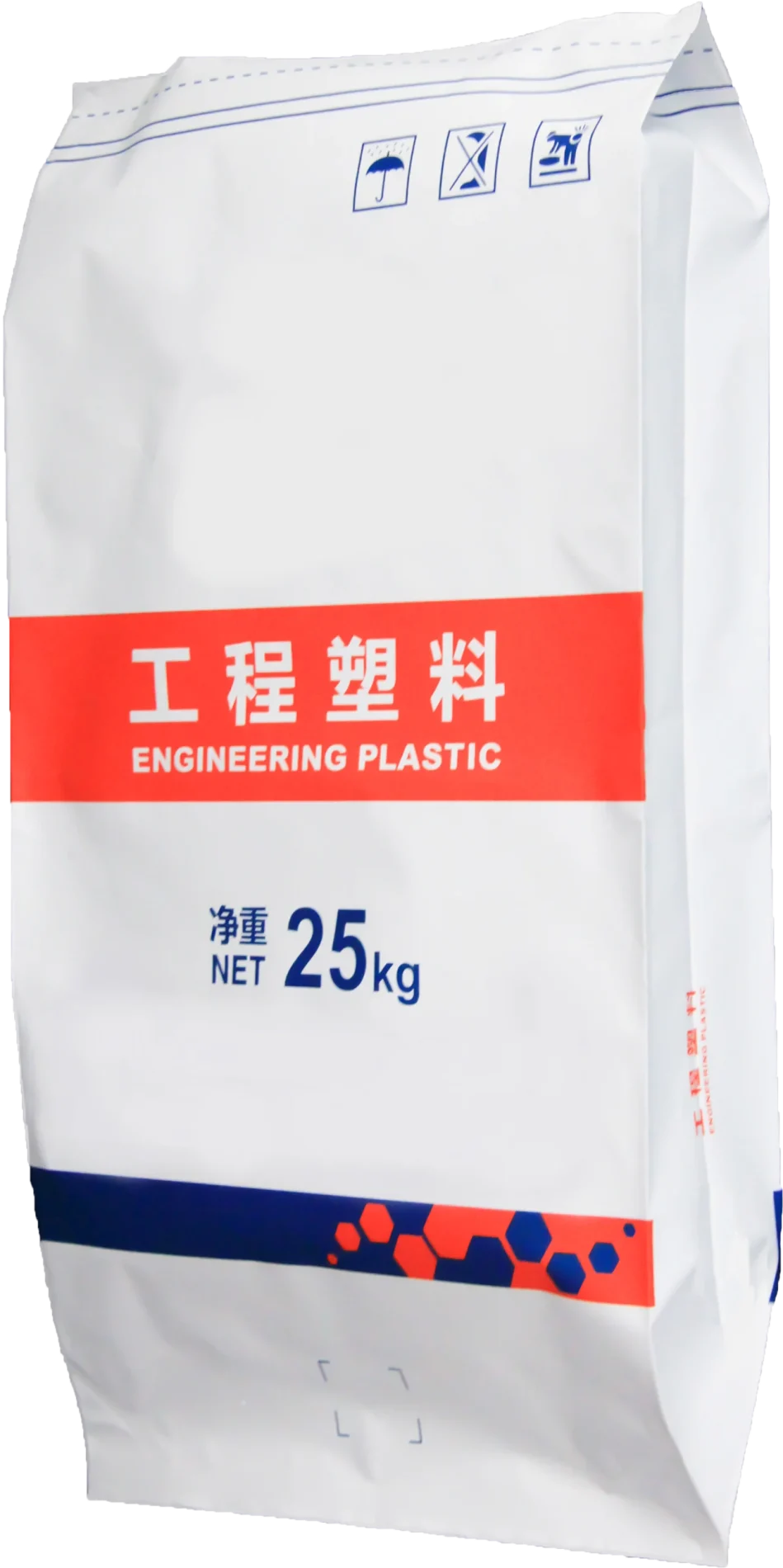
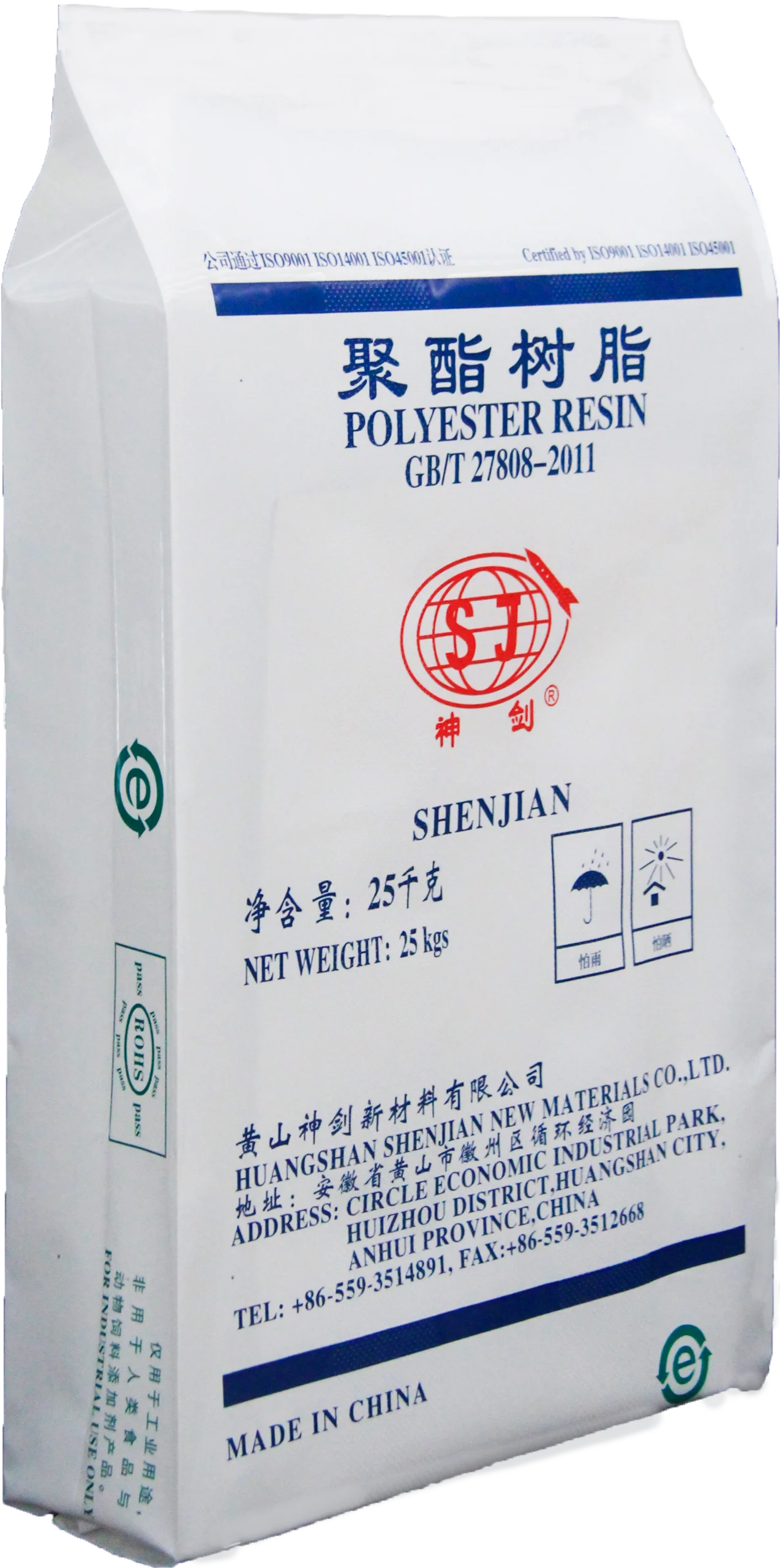
Automotive parts, industrial components, furniture, appliances, building materials, bagged goods, mixed picking pallets.
Load Behavior
Type C loads respond aggressively to external forces. Without proper containment, products may shift, lean, or collapse. Sharp edges and protrusions also increase the risk of film puncture and packaging failure.
Treating All Pallets the Same
Using a single wrapping approach for all pallets may appear efficient, but it ignores how differently loads behave under stress.
Common Consequences
Across global supply chains, a significant share of load damage originates from moderately unstable pallets that were never identified as higher risk.
Load classification does not require special tools or complex measurements. A quick visual and physical check on the warehouse floor is usually sufficient.
Use this checklist:
Correct classification typically takes less than one minute, yet it can prevent costly failures later in the supply chain.
Load stability depends not only on wrapping technique, but also on stretch film structure and performance.
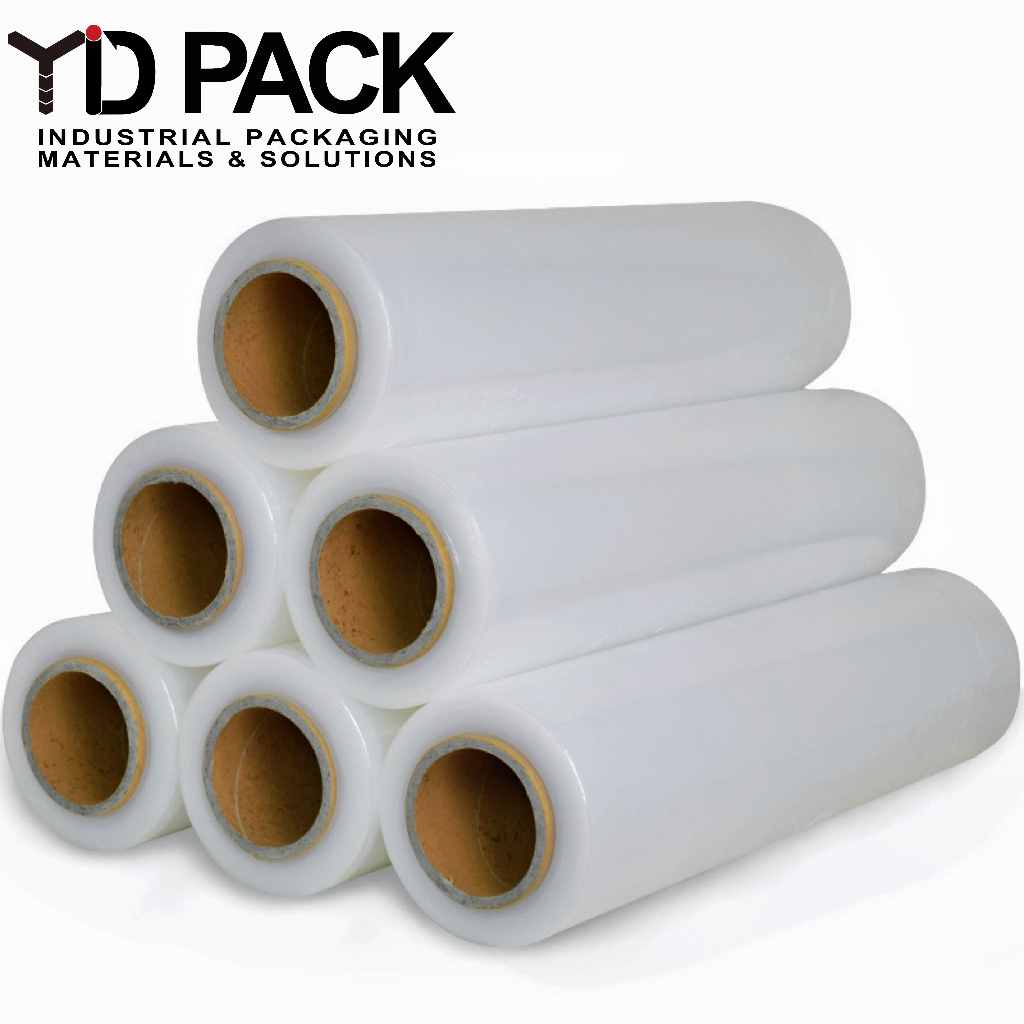
YD PACK Nano 55-layer Stretch Film is available in multiple specifications and formulations designed to support different pallet load challenges—from uniform, self-supporting loads to highly irregular, high-risk pallets.
Contact YD PACK to discuss the most suitable stretch film solution for your specific pallet load and transport conditions.
What is the difference between Type A, B, and C pallet loads?
The difference lies in load uniformity, internal stability, and how the pallet responds to transport forces such as vibration and braking.
Why do mixed pallets fail more often during transit?
Mixed pallets (Type B and C) contain gaps, uneven weight distribution, and lower friction between products, making them more sensitive to movement.
Can the same stretch wrapping method be used for all pallet loads?
No. Applying a single wrapping approach ignores how different loads behave under stress and often leads to instability or damage.
More News

2026-03-27
2026-03-26

2026-03-23
2026-03-18
2026-03-20
2026-03-16
2026-03-10

2026-03-09