
2026-01-07
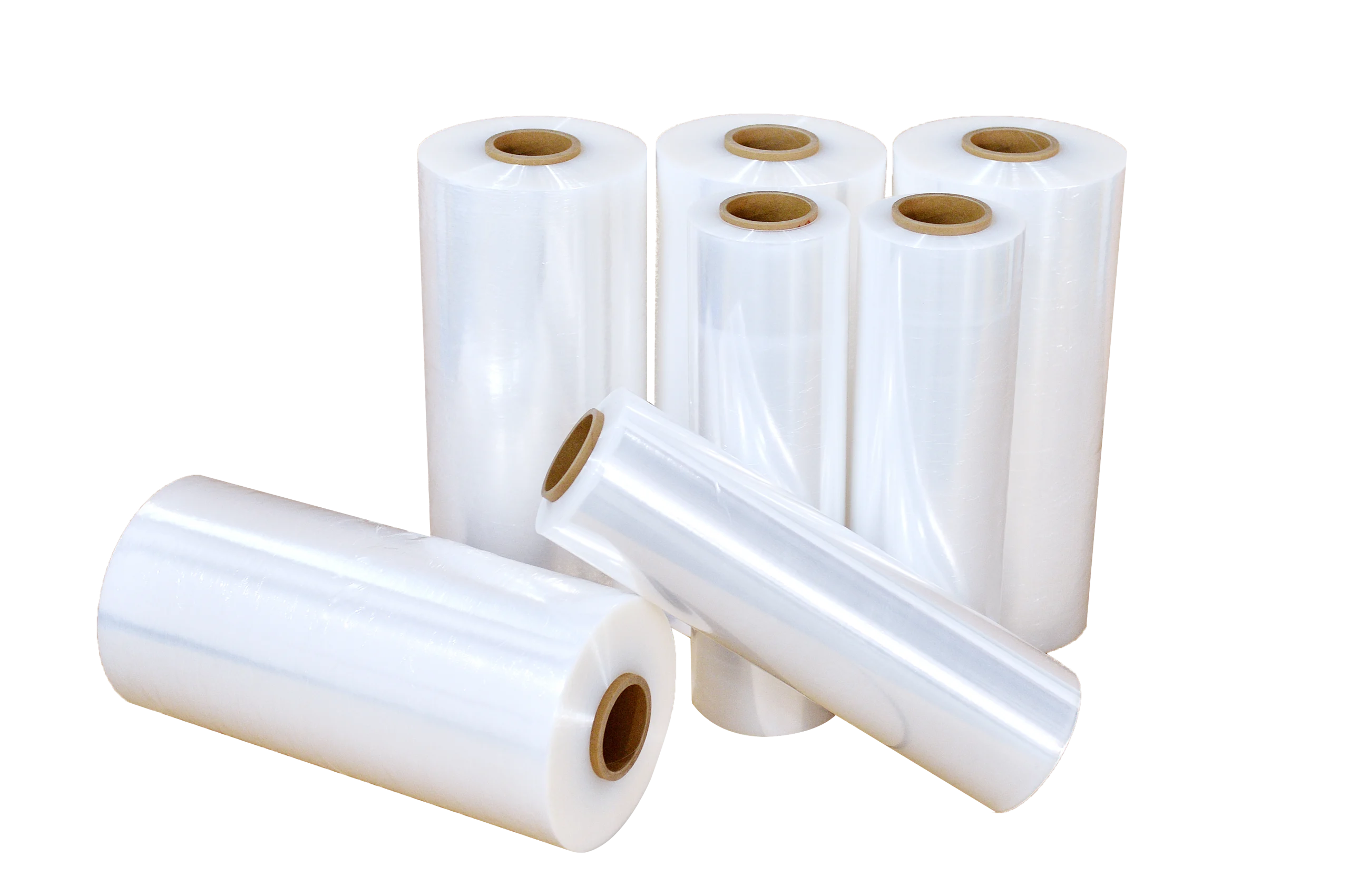
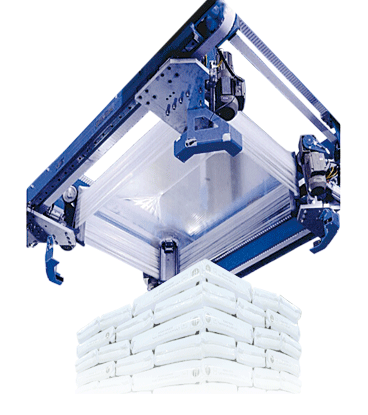
Elongation at break stretch film measures how far a film can be stretched before breaking, defining its usable pre-stretch range, load conformity, and transport durability. Stretchable films improve wrapping efficiency, reduce downtime, and allow thinner gauges without compromising load security. YD PACK Nano multilayer balances stretchability, recovery force, and toughness, providing reliable performance for irregular and long-distance pallet loads.

Ultimate stretch refers to the maximum percentage a stretch film can be elongated from its original length before it breaks.
It defines the film’s usable stretch range, pre-stretch limit on wrapping machines, and ability to conform to irregular pallet loads.
Two stretch films with the same thickness can perform very differently due to differences in film stretchability and stretch film ductility.
A high-tensile film allows:
In practice, the stretch limit of the film is one of the most reliable indicators of whether a stretch film will perform efficiently and consistently on the wrapping line.
Common scenario:
The difference is not thickness.
The difference is stretchability and film ductility.
Maximum stretch before break directly answers the key operational question:
How far can this film be stretched without failure?
Tensile test for stretch film measures how much the material can stretch before breaking under controlled conditions, following standards such as ASTM D882.
Formula:
(Break length – original length) ÷ original length × 100%
This test provides the theoretical upper limit of film stretchability, but real-world pre-stretch is always lower due to machine and load factors.
Ultimate Stretch vs. Thickness vs. Tensile Strength
These properties describe different performance aspects:
Thickness alone does not predict stretchability. Maximum stretch before break does.
High-elongation films can outperform thicker, low-elongation films by stretching further and maintaining load containment.
Break elogation value is critical for:
It impacts pre-stretch efficiency, load conformity, transport durability, and overall packaging cost.
High-elongation films enable 200–300% pre-stretch without frequent film breaks.
Benefits:
For pallets with gaps, protrusions, or uneven geometry, film stretchability is crucial.
High-elongation films:
During transport, pallets experience vibration and impacts.
High strechability films absorb energy elastically, reducing:
Films with stable elongation provide a wider operating window, reducing:
High stretchability films often allow thinner gauges while maintaining containment.
No. Extreme elongation may reduce containment force.
Balanced high elongation film must also provide:
YD PACK Nano 55-layer films achieve a balanced combination of:
Nano multilayer engineering distributes elastic, cling, and high-strength layers across 55 interfaces to maximize film stretchability without sacrificing durability.
Ask yourself:
If yes, ultimate stretch should be a priority metric.
Request comprehensive performance data including:
Understanding break elogation limit allows packaging engineers to:
YD PACK helps operations teams evaluate ultimate stretch in real wrapping conditions.
We provide:
Contact YD PACK today to explore how Nano stretch film can improve your packaging efficiency, reliability, and cost-effectiveness.
More News
2026-02-13
2026-02-08
2026-02-10
2026-01-31

2026-01-21

2026-01-11
2026-01-07

2025-12-31