Stretch Film Gauge to Mil Conversion Chart
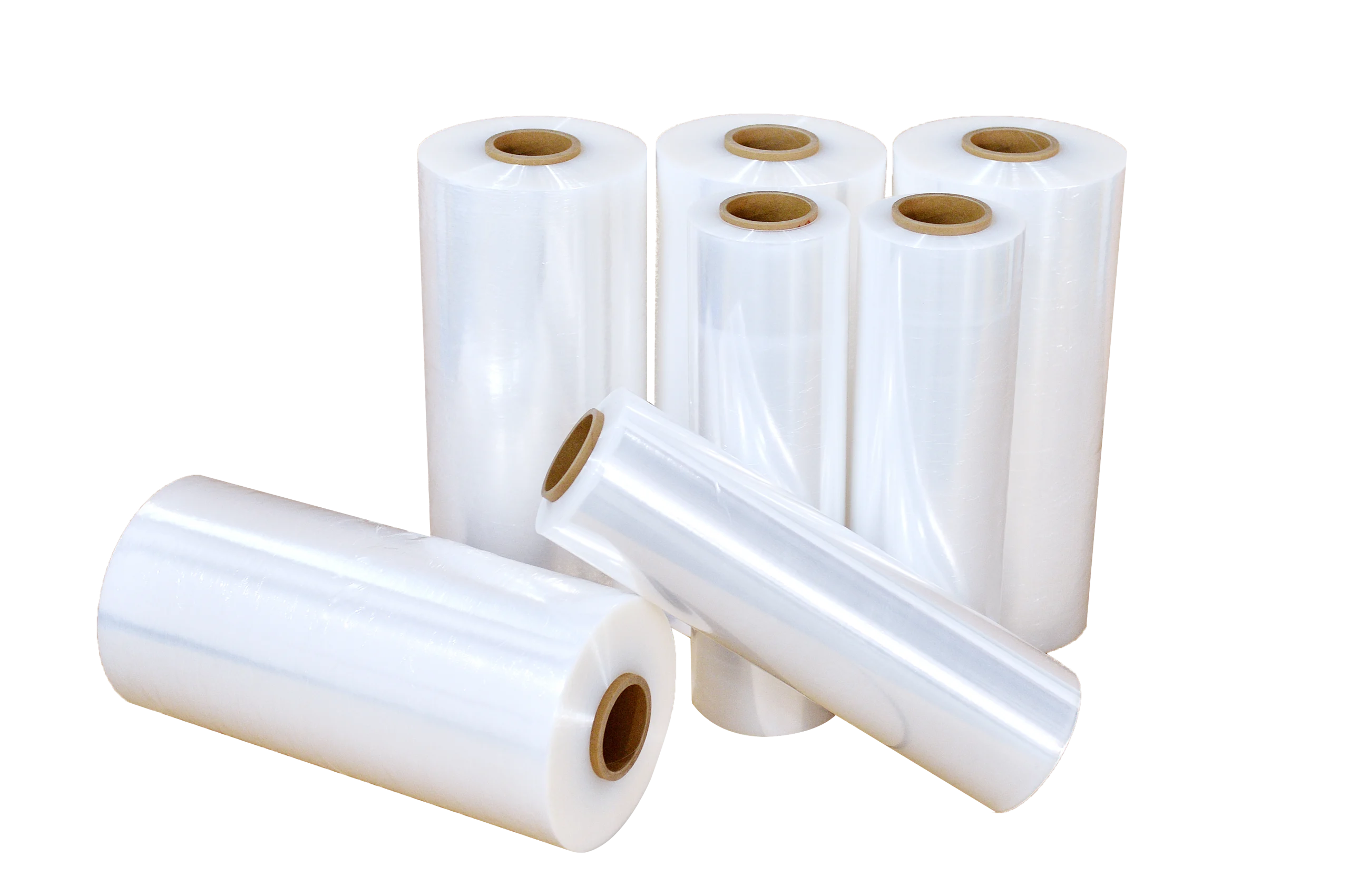
When stretch film thickness is quoted in gauge, mil, or micron, confusion is common—especially when comparing suppliers across regions. These units describe the same property, but misunderstanding them often leads to over-wrapping, unstable loads, or higher packaging costs.
At YD PACK, we help packaging teams convert thickness data into practical film selections that work in real pallet-wrapping conditions.
Stretch Film Thickness Conversion Chart
|
Gauge
|
Mil
|
Micron
|
Inch
|
|
30
|
0.30
|
7.6
|
0.0003
|
|
40
|
0.40
|
10
|
0.0004
|
|
50
|
0.50
|
12.5
|
0.0005
|
|
60
|
0.60
|
15
|
0.0006
|
|
75
|
0.75
|
19
|
0.0007
|
|
80
|
0.80
|
20
|
0.0008
|
|
90
|
0.90
|
23
|
0.0009
|
|
100
|
1.0
|
25
|
0.0010
|
|
120
|
1.2
|
30
|
0.0012
|
Note: Films with the same micron rating can perform very differently depending on resin formulation and layer structure. Thickness alone does not define holding force.
Common Thickness Units
- Gauge – Traditional unit used mainly in North America; definitions can vary by supplier.
- Mil – One-thousandth of an inch (0.001”), commonly used in packaging specs.
- Micron – Metric standard used globally; offers clearer comparison across markets.
Why Thickness Selection Matters
- Load stability: Heavier or irregular pallets require sufficient holding force.
- Durability: Thicker films improve puncture and tear resistance during handling.
- Efficiency: Film that is too thin often requires extra wraps, increasing labor and material use.
- Cost control: Over-specifying thickness raises costs without improving performance.
The goal is not maximum thickness—but matched performance.
Thickness Alone Is Not the Full Picture
Modern cast stretch films achieve performance through nano multi-layer structures, not thickness alone. 55-layer nano stretch films, for example, often replace conventional thicker films while using less material and maintaining load stability.
👉 Related reading: Nano 55-Layer Stretch Film: Reduce Packaging Costs & Boost Load Safety
Need Help Choosing the Right Film?
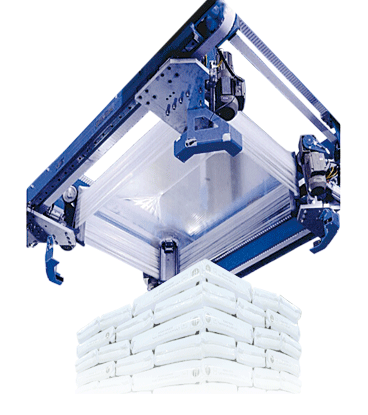
A conversion chart is only a reference. Load weight, pallet pattern, wrapping method, and transport conditions all affect film performance.
YD PACK provides technical support based on real packaging scenarios—helping customers reduce film usage while maintaining reliable load security.