
2026-02-10
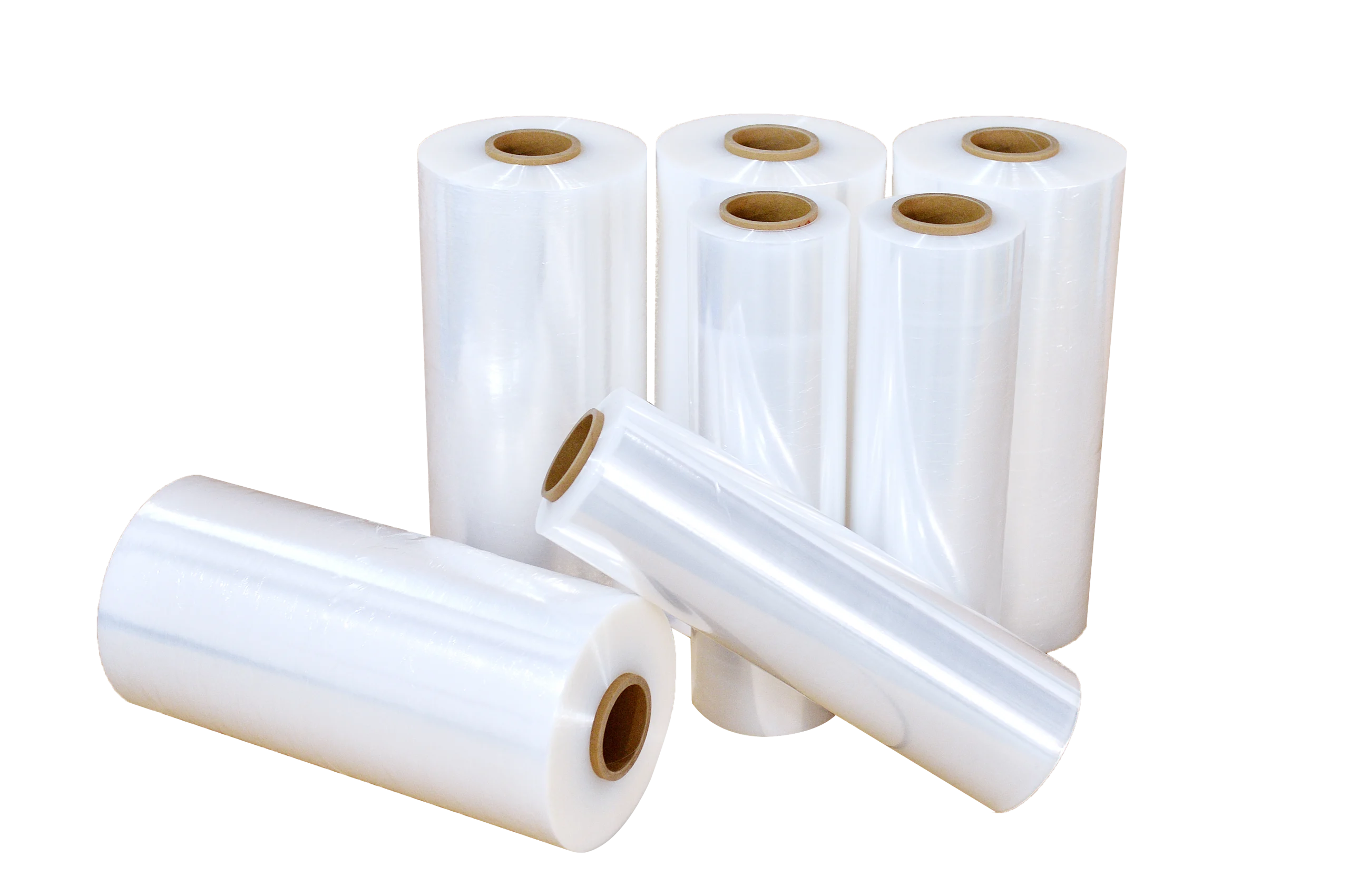
Stop evaluating stretch wrap by thickness alone. Learn how tensile resistance and elongation capacity work together to generate true load containment force—and how YD PACK’s Nano 55-layer design delivers superior pallet stability with reduced material usage.
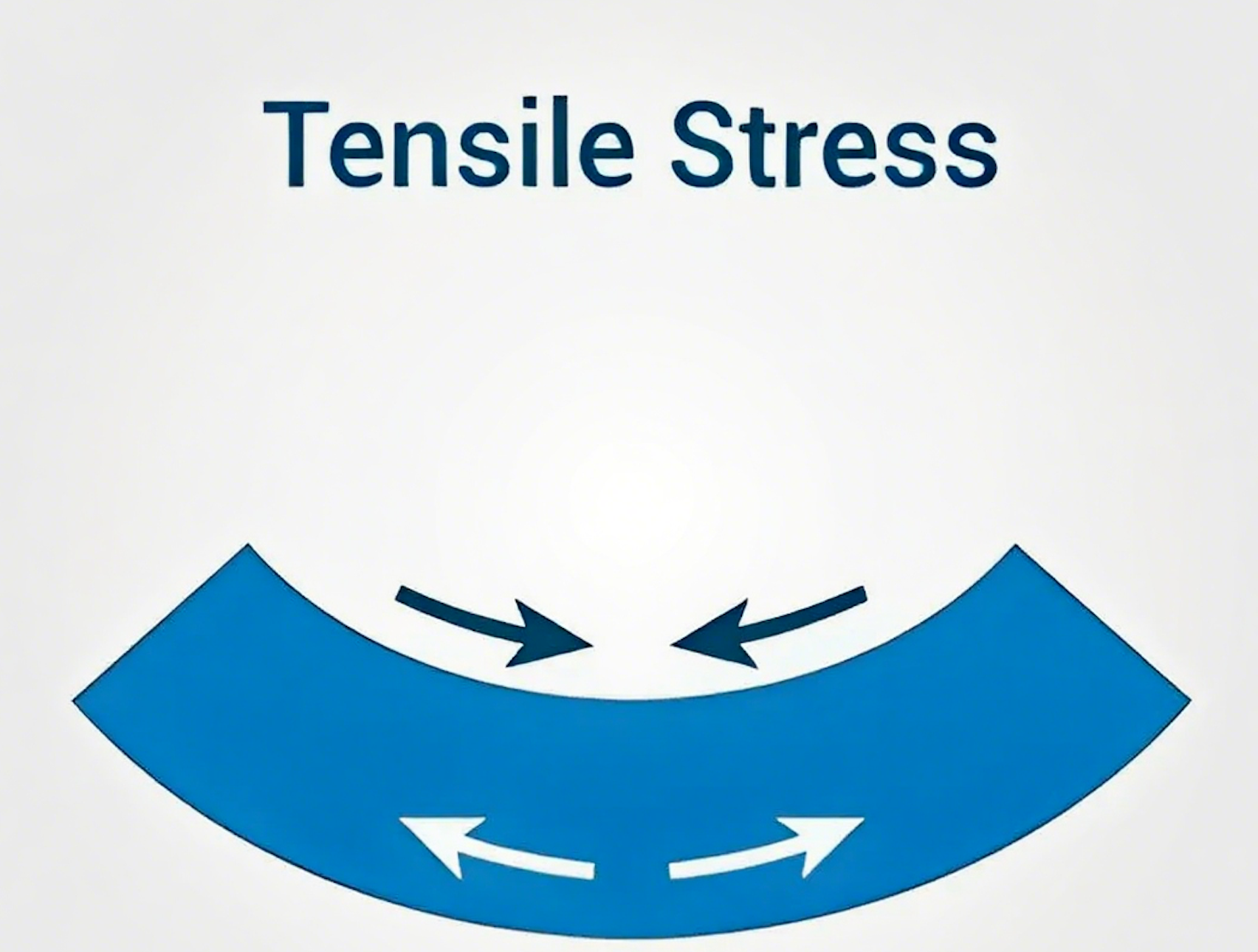
Why does one stretch wrap constantly break on a wrapping machine, while another—rated at the same gauge—securely stabilizes heavy pallets without failure?
This question frustrates many packaging managers, warehouse operators, and logistics engineers. The explanation is straightforward: stretch film performance is not defined by thickness alone.
The real performance drivers lie inside the material itself, in two fundamental stretch wrap mechanical characteristics:
These properties function like the structural strength and flexibility system of stretch film. Together, they determine how much stress the film can tolerate, how far it can extend, and how effectively it maintains pallet stability during transport.
In this article, we explain how tensile resistance and elongation capacity combine to create effective load containment force, and how YD PACK’s Nano 55-layer precisely engineers both for reliable pallet security.
Tensile resistance describes the maximum pulling force a stretch wrap can withstand before rupture.
In real logistics environments, this property determines whether a stretch film can endure:
A high-resistance stretch film:
By contrast, films with insufficient tensile resistance may appear acceptable in static conditions but fail rapidly under dynamic stress—leading to unstable pallets and damaged goods.
Elongation capacity at break measures how far a stretch wrap can extend before failure, expressed as a percentage increase in length.
This property governs the film’s ability to:
High elongation capacity is critical for:
This explains why many engineered stretch films outperform thicker commodity wraps: they stretch more efficiently, recover better, and maximize material utilization.
Load containment force is the continuous inward pressure applied by stretch wrap that keeps a pallet compact, stable, and secure over time.
This force results from the interaction of multiple mechanical behaviors:
When properly balanced, these factors deliver measurable benefits:
In modern logistics, containment force—not film gauge—is the true measure of protection.
A long-standing assumption in packaging is that thicker stretch film equals stronger performance.
In practice:
This principle underpins downgauging strategies, where advanced material engineering allows thinner films to outperform heavier traditional options.
The challenge with conventional films lies in material trade-offs:
Overcoming this limitation requires innovation in polymer formulation and multilayer film design.
YD PACK’s Nano 55-layer design employs ultra-thin functional layers, each assigned a precise mechanical role:
This architecture achieves a rare equilibrium: high load resistance without brittleness, and high stretchability without loss of control.
Before choosing a stretch film solution, consider the following:
In today’s logistics environment, stretch film selection must be based on measurable performance—not assumptions.
Understanding tensile resistance, elongation capacity, and their combined effect on load containment force is essential for:
With YD PACK’s Nano 55-layer, each roll is engineered to align strength and flexibility—delivering consistent, real-world performance far beyond what thickness alone can provide.
Previous page:What are the advantages of multi-layer stretch film compared to traditional stretch film?
Next page:No article
More News
2026-02-10
2026-01-31

2026-01-21

2026-01-11
2026-01-07

2025-12-31
2025-12-31

2025-12-27